Learn How to Speak About Broadband, Say State Directors and Advocates at Connect (X)
Speaking simply will improve community engagement in digital inclusion efforts.
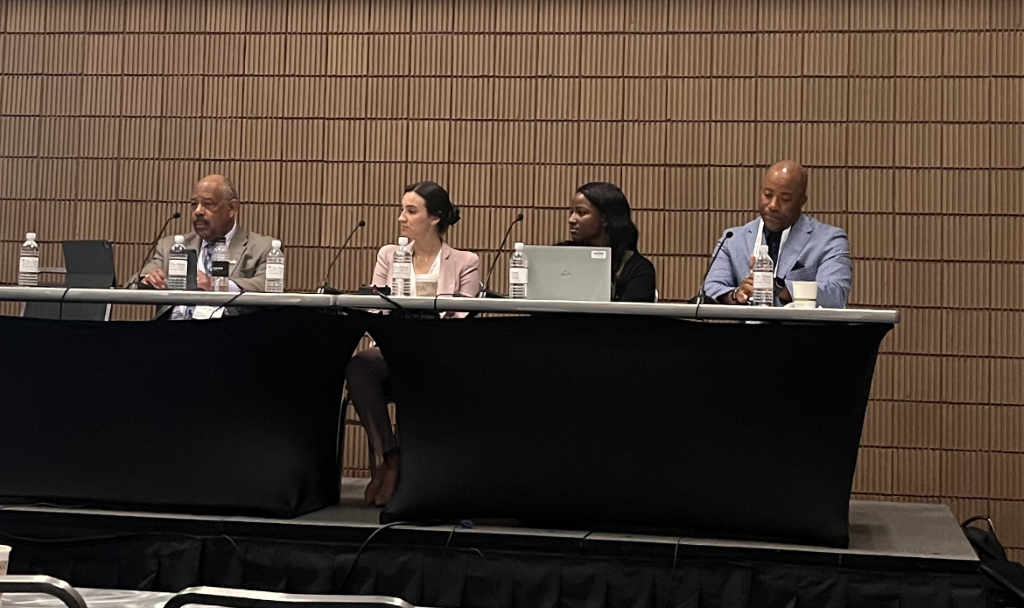
NEW ORLEANS, May 12, 2023 – How we speak about broadband when talking to consumers while deploying digital equity programs is very important, said state broadband directors at a Connect (X) panel on Wednesday.
Community residents face significant barriers to adoption that may turn them off to programs meant to benefit them, including the Affordable Connectivity Program which subsidizes high-speed internet subscriptions for low-income households.
These communities have been historically overlooked by governments and do not trust officials to have their best interests at heart, said Courtney Richard of nonprofit affordable housing development corporation, National CORE.
As state officials, we need to do all we can to connect with the residents and make the experience as comfortable for them as possible, said the Director of the New Jersey Broadband Office Valarry Bullard. For example, instead of saying “broadband,” officials should say “internet.”
Locally owned businesses and households need to understand how the internet impacts them individually, and our job is to draw that connection for them, Bullard said. “For us, an opportunity is going to be education.”
Knowing how to speak about broadband with communities that we work in is an essential piece of the puzzle that can serve to complicate the process if not handled well, said Scott Woods, vice president of community engagement and strategic partnership at Ready.net.
“You can turn off a community by your simple approach,” said Woods. States must go by the overarching notion that the federal government has put broadband deployment in the hands of states because they understand the needs of the communities, he added.
Kaptivate analysis finds some states’ references to rural America dropped 80 to 100 percent
Idaho, Massachusetts, Minnesota, North Carolina, and Utah had their final proposals approved.
The approval follows recent elections where two Democrats won seats on the commission. Those Democrats oppose the plan but don't take office until January.
Lawmakers are considering how best to reform the fund.
Member discussion