BEAD
Dem Lawmakers Want Clarity on BEAD Non-Deployment
The Trump administration isn't eager for states to spend money on efforts other than deploying infrastructure.

Reporter Jake Neenan, who covers broadband infrastructure and broadband funding, is a recent graduate of the Columbia Journalism School. Previously he reported on state prison conditions in New York.

BEAD
The Trump administration isn't eager for states to spend money on efforts other than deploying infrastructure.

Spectrum
Trump’s budget law mandated a ‘spectrum pipeline’ to sell off 800 megahertz of spectrum. Coupled with FCC pressure, the law is quickly re-arranging the commercial airwaves

Spectrum
The move brings EchoStar closer to resolving ongoing pressure from FCC Chairman Brendan Carr, which threatened its business.

enforcement
Courts are split on whether the FCC's forfeiture process violates the U.S. Constitution.

BEAD
Lone Star State wanted until Nov. 21.

BEAD 2026
Six of the 10 states releasing draft BEAD proposals plan on more than 70% fiber
BEAD
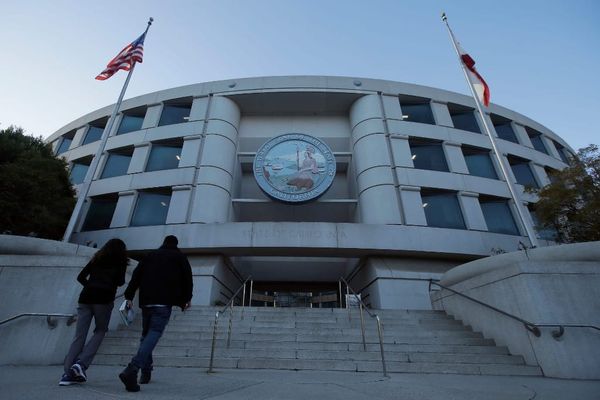
The state now has until October 2, rather than September 4, to submit its final proposal.

BEAD
North Dakota would get fiber to almost all of its relatively few locations.
Broadband Mapping and Data
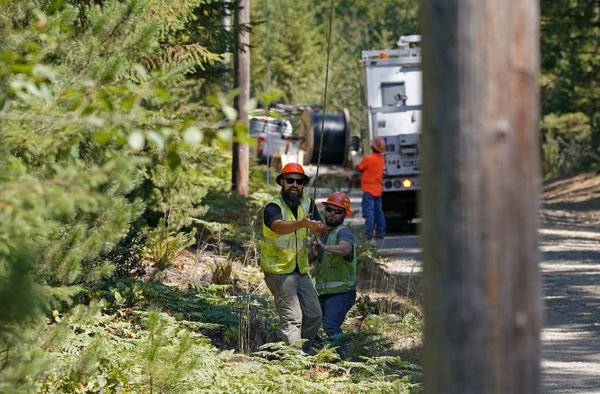
The group found many rural households have access to broadband infrastructure, but not affordable plans.

BEAD
That's the highest among states that have posted drafts of their final spending plans.
Infrastructure
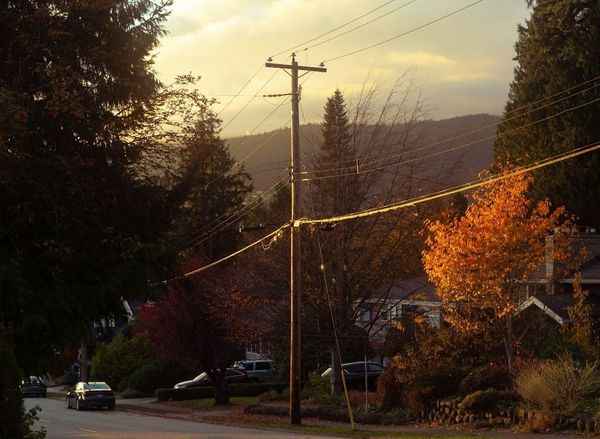
The company submitted requests to discontinue legacy service at another 61,000 locations.
Spectrum
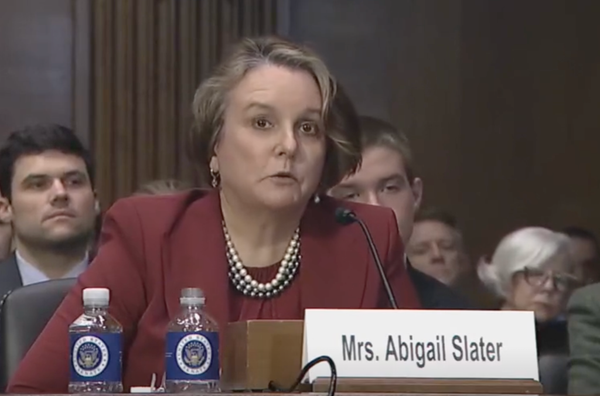
Supporters and opponents of the idea have sued the FCC over the plan.

BEAD
The satellite broadband provider said the same of Virginia's spending plan.

Privacy
Telecom industry groups had said the rules were too similar to ones Congress axed under the Congressional Review Act
enforcement
The decision sets up a split with the Fifth Circuit.

BEAD
The company said it should have won more locations in the state.