
Carr Looking to Scrap FCC Funding for Off-campus Wi-Fi
Sen. Ted Cruz, R-Texas, still wants to bar the agency from instituting similar policies in the future.

WASHINGTON, Sept. 3, 2025 – Federal Communications Commission Chairman Brendan Carr circulated two items Wednesday that would roll back the agency’s subsidy support for Wi-Fi connectivity outside of schools and libraries.
In 2023 the agency expanded its E-Rate program, which spends about $2 billion annually on internet discounts to schools and libraries, to fund Wi-Fi access on school buses. And in July 2024, the agency cleared the way for libraries to request funding for Wi-Fi hotspots that patrons could check out and use off campus.
Republicans at the FCC and in Congress were opposed to the moves, arguing the agency wasn’t legally allowed to use E-Rate funds on connectivity outside the physical bounds of a school or library. The FCC now has a 2-1 Republican majority.

“I dissented from both decisions at the time, and I am now pleased to circulate these two items, which will end the FCC’s illegal funding of unsupervised screen time for young kids,” Carr said in a statement.
If the items are adopted, the agency said, the fund’s administrator would be directed to deny any funding requests for either service.
In 2025, about 8,000 schools and libraries applied for funding for about 200,000 off-campus hotspots, according to the Schools, Healthcare, and Libraries Broadband Coalition, which supported the efforts.
“For too many children and library patrons, especially in rural and low-income communities, a borrowed hotspot or long commute to school has been their only chance to complete their schoolwork, apply for jobs, or access telehealth,” Joey Wender, Executive Director of SHLB, said in a statement. “Removing these connections ignores the reality that learning doesn’t stop at the school door or the library steps. The Homework Gap predated the pandemic and will now, unfortunately, only widen as a result of this proposal.”
The 2024 hotspot order has already been targeted by lawmakers in Congress. In May, the Senate passed a resolution that, if the House and the president signed on, would scrap the order and permanently bar the agency from passing a similar rule in the future.
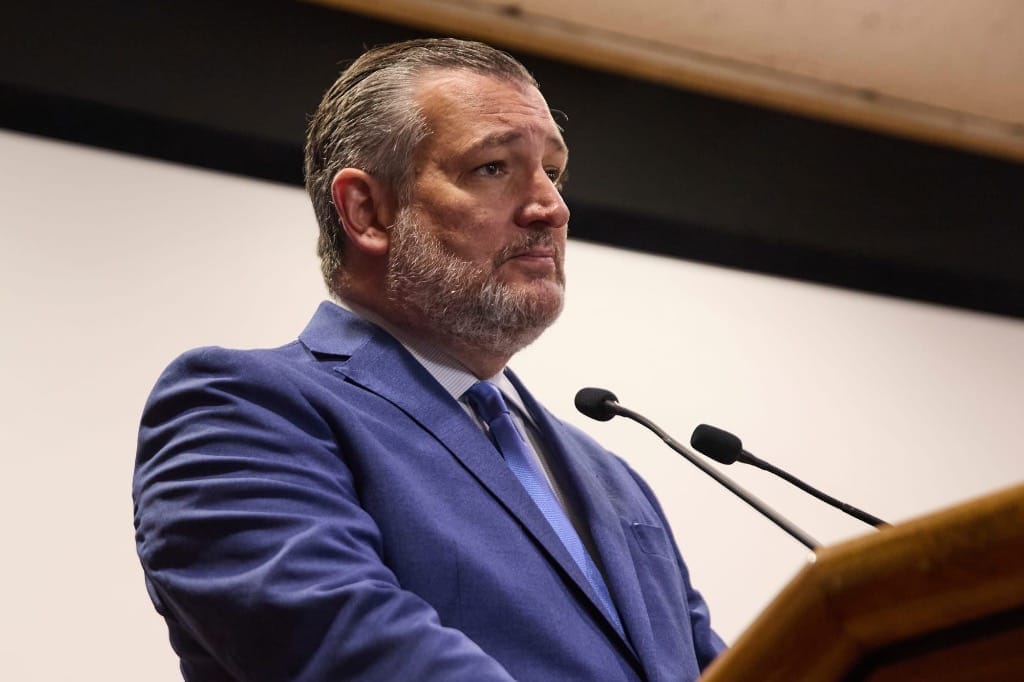
Senate Commerce Committee Chairman Ted Cruz, R-Texas, who led that effort, joined the FCC’s statement and called on the House to take up the effort.
“Kudos to Chairman Carr for moving to undo the Biden hotspot program and protect children, but now it’s time for Congress to step up and codify this change,” he said. “I urge the House to act on the resolution and prevent this or similar harmful rules in the future.”
Separately, a lawsuit against the school bus ruling has been ongoing in the U.S. Court of Appeals for the Fifth Circuit since 2023. On July 7, the FCC asked the court to put the case on hold, which it later did.
“The FCC now has three sitting members, only one of whom (Commissioner Gomez) voted to approve the [school bus ruling],” the agency wrote at the time. “The newly constituted Commission is reevaluating the agency’s past actions, including the [school bus ruling].”
“Millions of students and seniors depend on hotspots and school bus Wi-Fi for homework and tele-health services,” FCC Commissioner Anna Gomez wrote in a post on X. “Now the FCC is moving to strip that connectivity away while doing nothing to make broadband more affordable.”
Gomez, a Democrat, voted in favor of both items when they passed.



Member discussion