
Comcast Wins in FCC’s First Accelerated Pole Dispute Order
The agency stood up its Rapid Broadband Assessment Team in 2023.

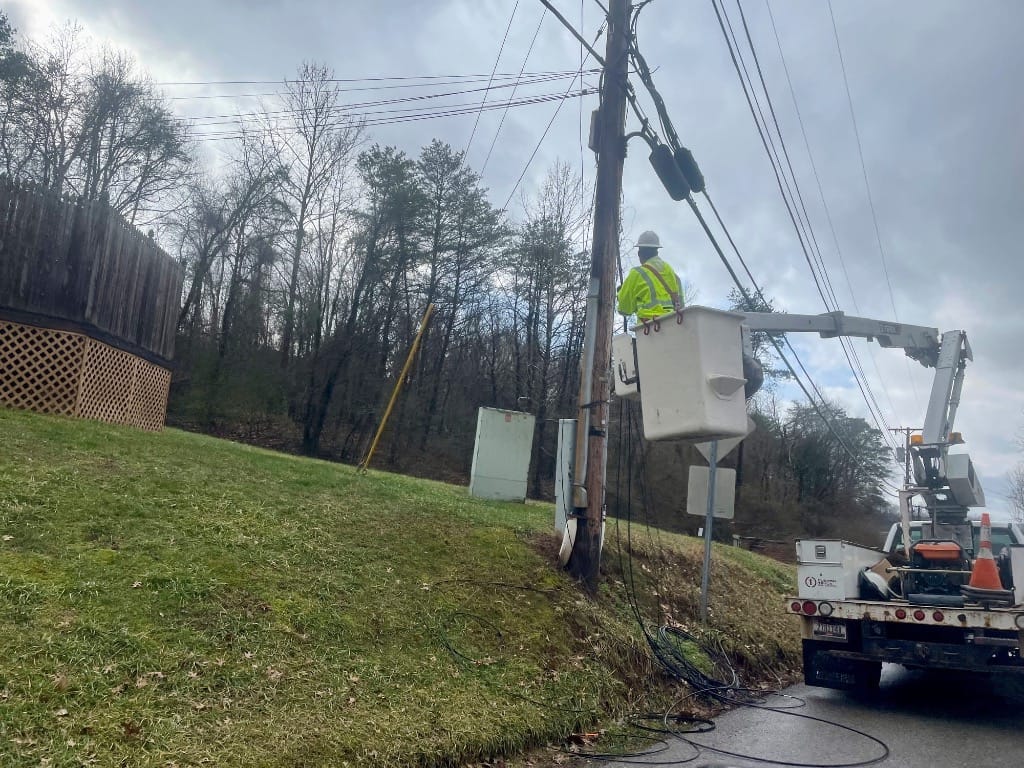
WASHINGTON, Feb. 6, 2026 – The Federal Communications Commission resolved a pole attachment dispute in Virginia Thursday, its first using a new accelerated docket system.
The agency found Appalachian Power Company couldn’t charge the cable giant the full replacement cost of poles that already weren’t up to code before Comcast sought to attach extra equipment. Instead, Comcast would have to cover the proportion of APCO’s replacement bill required solely because of its new gear.
The FCC stood up its Rapid Broadband Assessment Team in 2023 to mediate disputes between pole owners and attackers, an effort to avoid disagreements stalling broadband expansion projects. If that mediation doesn’t work, like in this case, the companies can have their dispute considered on a 60-day accelerated docket.

The agency said Thursday’s decision was its first accelerated pole attachment docket ruling.
“Today’s action shows that the FCC’s new RBAT and Accelerated Docket procedures are a powerful tool to resolve disputes quickly,” FCC Chairman Brendan Carr said in a statement. “This critical new FCC process is now officially standing by to resolve these matters so we can get busy connecting American homes and businesses.”
In its complaint, Comcast told the FCC it would need access to thousands of APCO poles in Virginia to complete its Broadband Equity, Access, and Deployment program projects in the state – part of the agency’s rationale in setting up RBAT was to prevent builds under the $42.45 billion program from being held up. Comcast won $126 million to serve 13,000 locations in Virginia.
While the agency agreed with Comcast that APCO’s policy violated FCC rules against utilities requiring attaching ISPs to pay for existing safety violations, it wasn’t persuaded by the cable operator’s argument that it should have to pay nothing. Still, Comcast was pleased.
“Today’s Commission decision helps clear the way for faster, more reliable broadband for rural Virginians,” the company said in a statement. “By finding that Appalachian Power’s pole attachment practices violate FCC rules, the Commission has removed barriers that have delayed broadband deployment in communities that need it most.”
APCO had defended its policy on the grounds that Comcast would still be the only reason for replacing a non-compliant pole. The utility argued that existing attachers could always remove their gear, thus making the pole safe and not in need of replacement except for Comcast’s gear.
“The problem with APCO’s argument is that it depends on a future event that may never occur – that is, an existing attacher removing its violative attachment,” the agency wrote.
The agency was also not convinced by APCO’s practice of providing new attachers, which would pay for the entire pole replacement, with a potential 50 percent refund, funded by fees existing attachers that elect to move equipment to the new pole.
“The availability of a potential future refund cannot make whole a new attacher that is required to pay up-front the full cost of pole replacement, despite not owing that full amount,” the agency wrote. “This is all the more true where the new attacher’s ability to obtain the partial refund is beyond its control.”
APCO did not immediately respond to a request for comment.
The FCC can set the terms of pole attachment deals between investor-owned utility companies and telecommunications providers. That authority is preempted by local rules in 23 states and D.C.
The issue is often the subject of fierce debate between utilities and telecom providers. The agency last updated its pole attachment rules in July and instituted new shot clocks on application responses and prep work, among other things.






Member discussion