Emergency Connectivity Fund Opening Late June, Dish Accepting 5G Signups, NTIA Updates Federal Program Guide
Emergency Connectivity Fund will begin accepting apps June 29, Dish taking 5G signups, NTIA updates fed program guide.

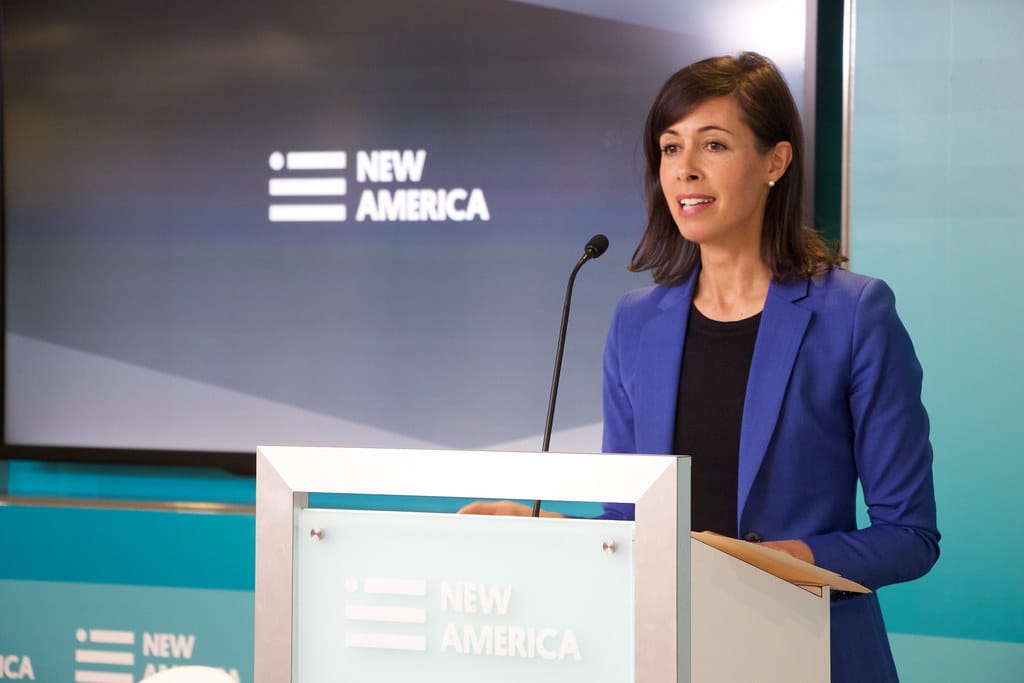
June 16, 2021—The Emergency Connectivity Fund, the program that will subsidize broadband connectivity and devices for schools and libraries, will open for applications later this month.
The Universal Service Administrative Co. and the Federal Communications Commission announced Tuesday that they will be receiving first-round applications for $7.17 billion worth of subsidies starting June 29 at noon and running for 45 days.
Purchases of broadband connectivity and devices like laptops, tablets, Wi-Fi hotspots, modems and routers will need to be made between July 1 and June 30, 2022.
Dish Networks, which was the beneficiary of mobile wireless assets when T-Mobile completed the purchase of Sprint last year, is accepting signups for its 5G network, Axios reported Tuesday.
Called “Project Gene5is,” the webpage asks for a zip code, email address and phone number. It’s unclear where the service will launch, but Axios reports that the first city is expected to be Las Vegas.
Critics of the T-Mobile-Sprint deal were concerned about the lack of Dish’s progress on bringing another mobile wireless network to offset the consolidation, which trimmed the number of national carriers to three.
The National Telecommunications and Information Administration has updated its database on federal programs across multiple federal agencies.
The database, which tracks more than 80 federal programs across 14 federal agencies, assists prospective broadband funding applicants to get money. The database is an obligation of the Access Broadband Act, which mandates a central website for applicants to access for funding.
Massachusetts Democrat concerned AI industry is ‘falling back on the classic strategy of privatizing profits and socializing losses.’
New CTIA study reveals efficient wireless development without environmental and historic preservation requirements.
Wikipedia plans to use AI to assist editors and improve search experiences, while addressing criticism of bias and competition from rivals like Grokipedia.
The order responds to emerging technologies like virtual reality and AI wearables.
Member discussion