
FCC Should be Slow to Block U.S. Market Access, Satellite Companies Say
The agency sought comment on the issue as the E.U. is considering new satellite legislation the U.S. opposes

WASHINGTON, April 2, 2026 – The Federal Communications Commission should be slow to deviate from its policy of allowing United States market access to foreign satellite operators, companies based in and out of the U.S. told the agency.
“Satellite services are inherently international and cross-border in nature, and high barriers to entry would only erode the social and economic benefits that satellite services deliver,” Luxembourg-based SES wrote. “Taking steps that would deter market access could undermine the very principles that have supported the decades of progress that has been made in reducing regulatory barriers.”
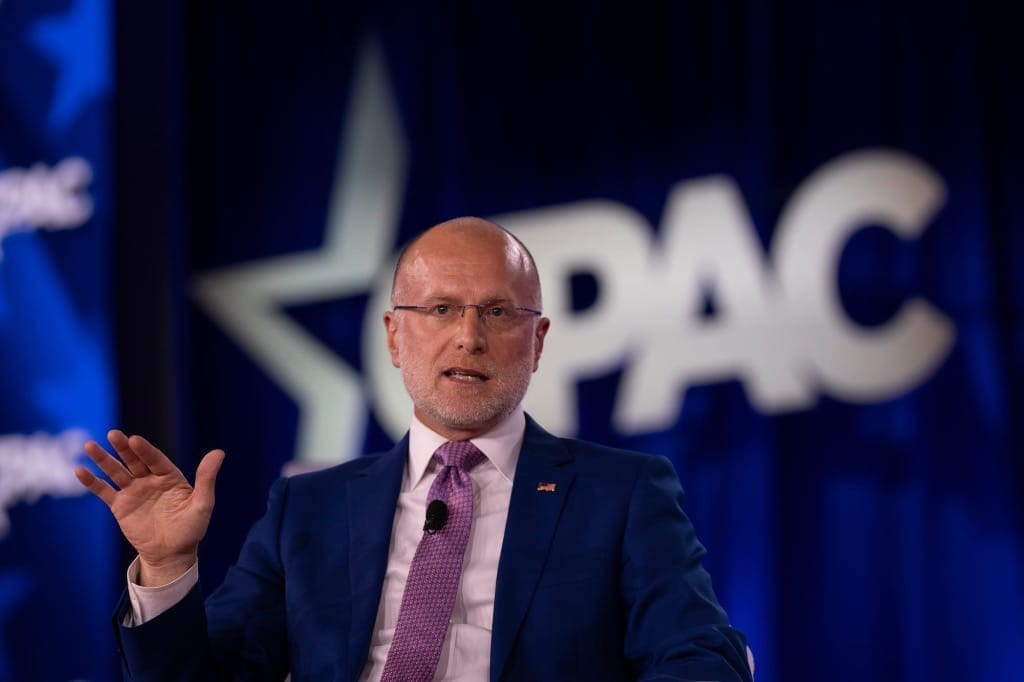
FCC Chairman Brendan Carr asked for input on U.S. firms’ access to foreign markets last month, partly in response to proposed legislation that European Union regulators are considering. The U.S. felt the EU's Space Act would unfairly target American companies like SpaceX, which dominates the low-Earth orbit satellite market, with extra restrictions.

Carr told Politico the same week that the FCC would “mirror the regulatory approach that Europe wants to take” if the E.U. didn’t give American satellite companies “a fair shake in Europe.” The agency has traditionally easily allowed market access to firms from most countries.
But several companies and trade groups urged caution on retaliating against satellite companies based outside the U.S.
Elon Musk’s SpaceX, whose foreign market access the U.S. is looking to protect, was slightly more open to the idea of the FCC taking some kind of action if a satellite company’s home country were blocking access to U.S. firms, or if an operator pushes for protectionist policies in other countries.
Still, the company said “a world where each country is served only by its own domestic satellite systems will be a poorer world for everyone. The Commission’s long-standing approach to market access is the correct approach, and the Commission should deviate from it only to the minimum extent necessary to help misguided foreign administrations recognize the value of reciprocal market access policies.”
The Commercial Space Federation, which represents Jeff Bezos’s Blue Origin and SpaceX, among others, agreed that a “tit-for-tat escalation of market access barriers would be unproductive” and urged the FCC to meet with its counterparts in other countries to resolve any issues.
French satellite company Eutelsat emphasized that the EU Space Act is pending and will likely be revised before being adopted into law; the FCC's inquiry noted a newer draft put forward by the Danish government had addressed some of its concerns. Thus any definitive action on the FCC’s part would be premature, the company argued.
“Adopting proposals that impose additional burdens on non-U.S.-licensed operators in anticipation of unfavorable action by the EU could potentially drive the EU to adopt exactly the sort of protectionist framework that the Commission seeks to avoid,” the company wrote.





Member discussion