
FCC to Vote on Rolling Back E-Rate at September Meeting
The agency added two items to its agenda that would scrap funding for off-campus Wi-Fi.

Jake Neenan
WASHINGTON, Sept. 24, 2025 – The Federal Communications Commission is set to vote at its Sept. 30 meeting on whether to roll back subsidy support for Wi-Fi connectivity outside of schools and libraries.
In a Monday notice, the agency added two items to its existing agenda that would each invalidate an FCC order expanding its E-Rate program, which provides internet discounts to schools and libraries. One would find the roughly $2 billion-per-year program could no longer fund Wi-Fi on school buses, and the other would find that the agency would not fund Wi-Fi hotspots that student or library patrons could use off campus.
Republicans at the FCC and in Congress were opposed to both orders, which came down in 2023 and 2024 respectively, arguing the agency wasn’t legally allowed to use E-Rate funds on connectivity outside the physical bounds of a school or library. The FCC now has a 2-1 Republican majority.
The agency said when it announced the new items were circulating that if they were adopted, the fund’s administrator would be directed to deny any funding requests for either service.
The Schools, Healthcare, and Libraries Broadband Coalition, which supported both orders, counted about 8,000 applicants for about 200,000 off-campus hotspots – the FCC hasn’t yet made any funding commitments for hotspots. The group has said $48 million has so far gone out for school bus Wi-Fi.
SHLB, along with the American Library Association, the Homework Gap Coalition, and EdLiNC, wrote a letter to the FCC Monday urging the agency not to go through with cutting the programs. If the agency insisted, they said, the FCC should delay any changes until funding year 2026 in order to avoid disruption for participants.
Schools that received funding for school bus Wi-Fi in 2024 have likely already signed contracts to continue the service this year, the groups argued, and could be forced to break those contracts if the program suddenly ended. The same could be true of applicants for hotspot funding, as the equipment was listed as eligible for E-Rate funding for 2025.
“Congress directed the FCC to ensure that universal service is ‘predictable.’ Abruptly ending these programs not only harms students and communities but also undermines trust in the E-Rate program itself,” SHLB Executive Director Joey Wender said in a statement.
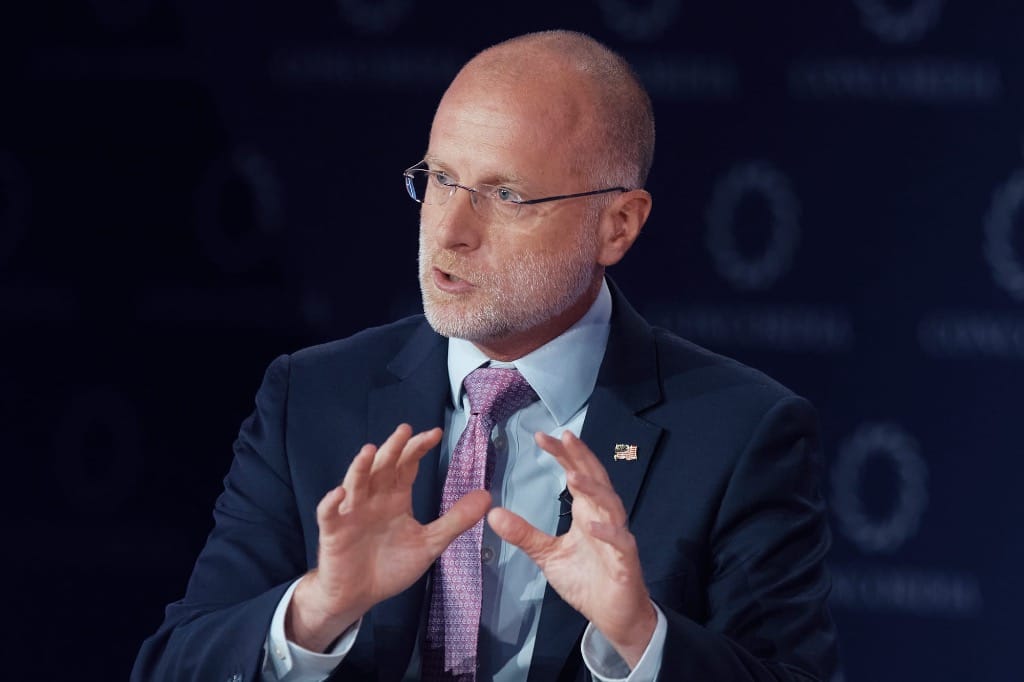
FCC Chairman Brendan Carr, a commissioner at the time, voted against both orders, arguing the agency was barred from funding connectivity outside the physical bounds of a school or library through E-Rate.
Republicans in the Senate passed a resolution earlier this year that, if the House and president signed on, would scrap the hotspot order and prevent the agency from ever reinstituting it in the future. The House hasn’t yet moved on the resolution.



Member discussion