GCI Liberty CEO Says Universal Service Fund Is Essential for Alaska

GCI receives 40% of its $1 billion in annual revenue from the Universal Service Fund

GCI Liberty CEO Says Universal Service Fund Is Essential for Alaska
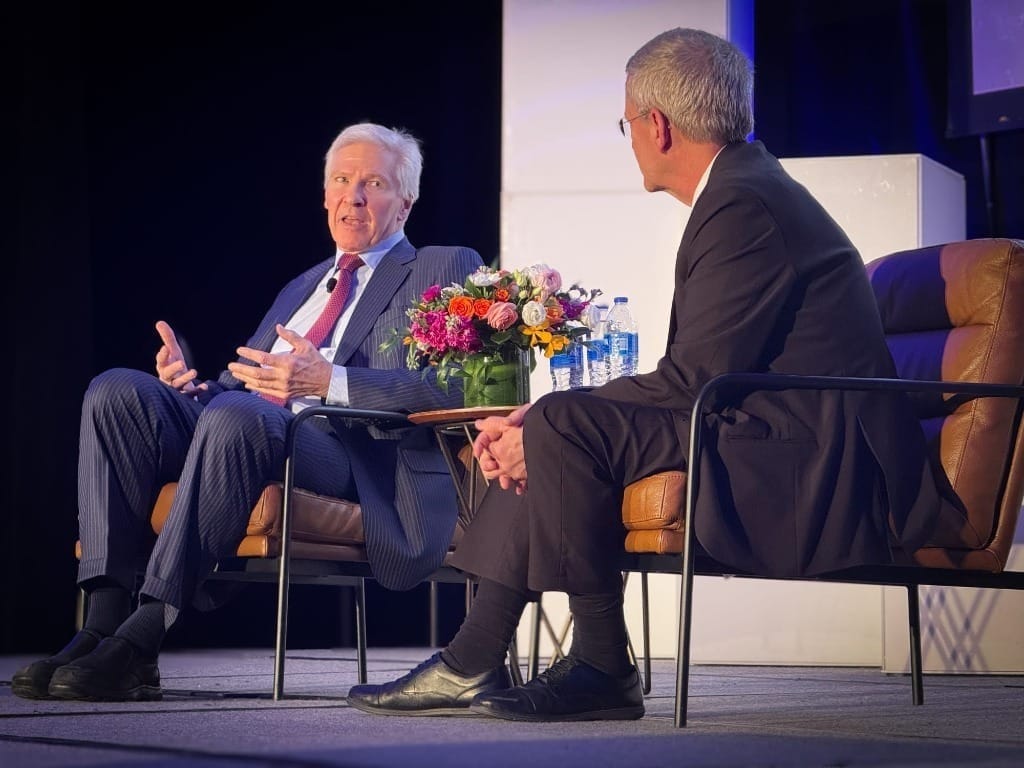
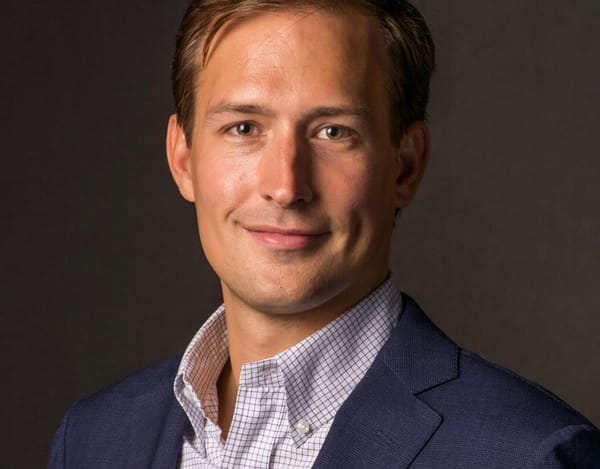
Photo of Ron Duncan (left), CEO of GCI Liberty, speaking at the ACA Connects Summit in Washington, D.C., on Wednesday

WASHINGTON March 5, 2026 – Rural Alaska would not be the same without the financial support of Universal Service Fund, according to CGI Liberty CEO Ron Duncan, who spoke at the ACA Connects summit on Wednesday. 

Duncan said that Alaska’s unique size, geographic features and sparse population  often connected by boat or small plane made it an essential state for high-quality broadband connectivity to participate in the “urban telecommunications ecosphere” that exists today. 

“There's no way 600,000 people living over a land mass twice the size of Texas … could ever build out [broadband infrastructure] without the hundreds of millions of dollars [from the universal service fund],” Duncan said.  “If you were to take it away, basically rural Alaska couldn't continue to exist.” 

Alaska relies on high quality broadband connections to power telehealth, distance education, and customer service across the state, according to Duncan. 

The $8.5 billion Universal Service Fund was established in the Telecommunications Act of 1996. It is administered by Universal Service Administrative Company for the Federal Communications Commission. The FCC uses these funds to promote universal access to telecommunications services through subsidies. 

This includes the E-Rate program, which supplies libraries and schools access to high speed broadband, and the Rural Healthcare Support Mechanism, which subsidizes rates for telehealth programs to be comparable to urban centers.

Duncan noted that about 40% of the $1 billion in revenue GCI Liberty receives and 60% of total telecom revenue in Alaska come from the USF , making it an essential lifeline broadband operation in Alaska. 

This was only made possible by bringing lawmakers up to the state, so they can understand the unique size and challenges Alaskans face, Duncan said.

“There’s no roads, the only way you get  out to small communities is in small airplanes,” Duncan said. “Its when you’re flying the chairman of the FCC for 40 minutes between two small villages separated by a larger mountain range that that they get the perspective of what rural Alaska is really like.” 

Member discussion

Popular Tags