
Judges Weigh Whether Spectrum Licenses Create Property Rights
Ligado says DoD systems are preventing its use of FCC licenses – and wants compensation.

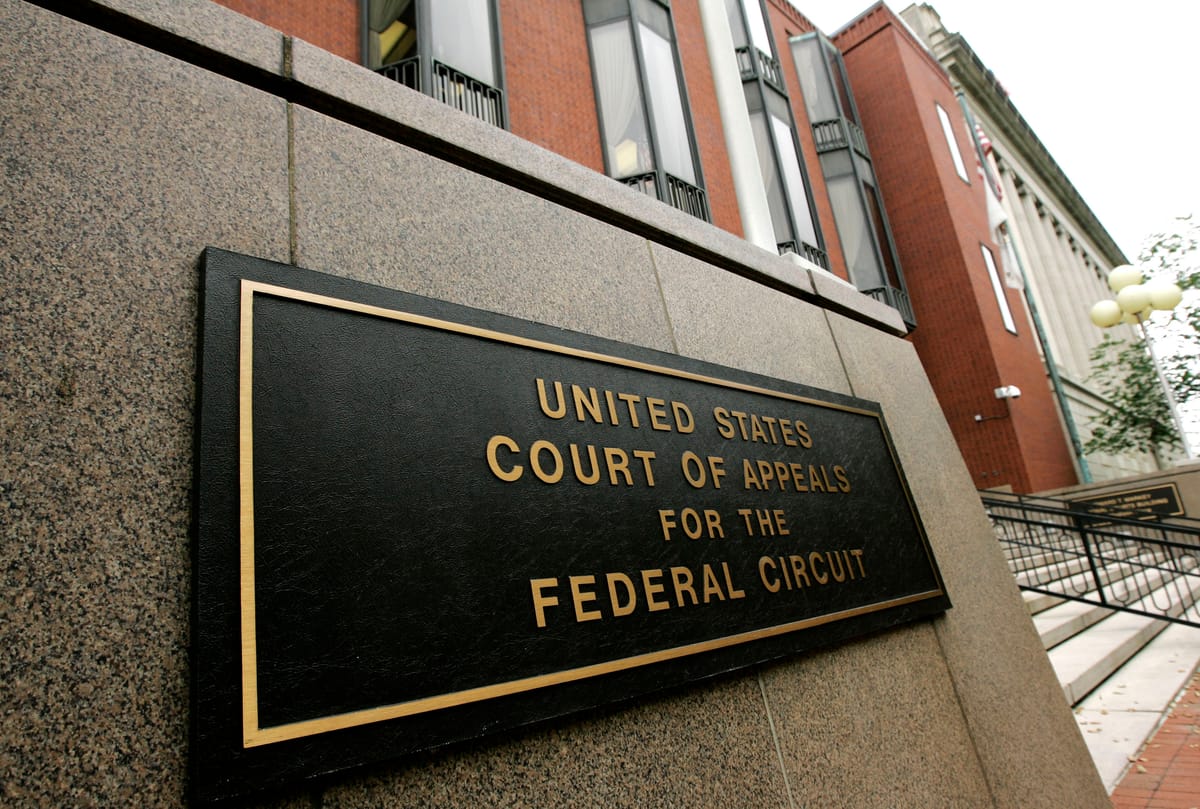
WASHINGTON, Feb. 6, 2026 – Federal judges probed Wednesday whether Federal Communications Commission spectrum licenses create property rights for license holders.
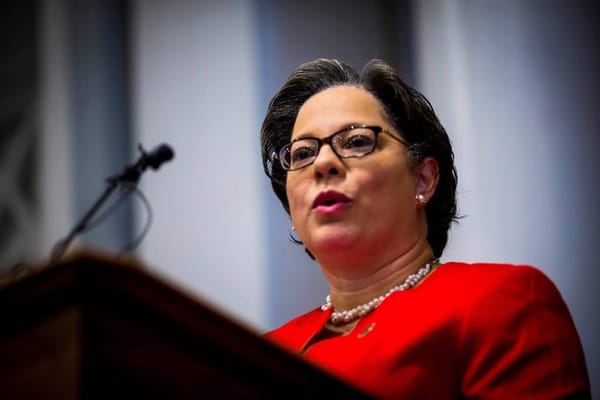
Chief Judge Kimberly Moore of the U.S. Court of Appeals for the Federal Circuit said she didn't think all parts of the issue were adequately briefed and at multiple points contemplated sending the question back down for the lower court to consider again.
“Maybe the answer is I send this back to the Court of Federal Claims and I ask them to more thoroughly and thoughtfully consider this property interest question,” she said. “It’s a very hard question, I feel like this case is destined for the Supreme Court. And I’ll be honest, I don’t feel that I have all the information I need to feel confident that I’m deciding it as well as I’d like to.”

The case stems from a 2023 suit by Ligado alleging the Defense Department is preventing it from operating in L-band spectrum the FCC granted the company a license for. Ligado argues it should be entitled to compensation – $40 billion – because DoD’s operation of a “secret national security program” has rendered the company unable to make use of its license.
The DoD’s position is that electromagnetic spectrum is a public resource that the FCC grants access to, and thus licensees don’t actually own anything and should not be compensated if the government operates in bands they were licensed for. The government tried to have the case dismissed and appealed after the effort was partially denied.
“If the Navy went and invaded fishing grounds or whatnot, and the fishing license holder, whoever held that license said, ‘There’s a taking here,’ the response would be ‘No, there’s no cognizable property,’” DoD attorney Nathanael Yale argued Wednesday.
How judges come down on the question could be important for the wireless industry, which relies on FCC licenses and has spent hundreds of billions acquiring them at auction. USTelecom, the major broadband industry group, submitted a brief in October warning that carriers would be less willing to buy up licenses and build networks if their licenses didn’t confer some kind of property right, especially with respect to agencies other than the FCC.
While Moore and Circuit Judge Richard Taranto had tough questions for both Ligado’s and the government’s attorney’s, Moore said she was open to the idea that agencies other than the FCC couldn’t impede FCC licenses.
“It’s possible,” she said, that Ligado “could have no property interest against the FCC. The FCC could revoke, or modify, or whatever. But I’m beginning to think they’ve got a property interest against DoD. And I didn’t come into this argument thinking that."
Judges struggled to get a handle on how “exclusive” FCC licenses were when they were subject to potential modification by the agency. Ligado applied for and was granted its L-band licenses in 2020 – satellite-only spectrum isn’t purchased like mobile spectrum is.
Ligado urged the court to consider the fact that companies had spent many billions under the assumption that licenses were almost always renewed as-is and faced minimal risk of unexpected alteration by the FCC. DoD countered that the legal framework didn’t require this.
Judges also had difficulty getting a clear answer on whether the FCC, which manages private-sector spectrum use, and NTIA, which manages federal spectrum use, had final authority to say who could and could not operate in the spectrum at issue.




Member discussion