
Michigan Lawmakers Propose Letting Voters Elect Utility Regulators
Supporters said electing commissioners would give residents more influence over electricity rates and energy policy.

WASHINGTON, March 9, 2026 – Michigan lawmakers introduced legislation that would require members of the state’s utility regulator to be elected by voters rather than appointed by the governor.
A group of Democratic state representatives unveiled the proposal Thursday amid rising frustration over electricity rate increases approved by the Michigan Public Service Commission, which regulates gas and electric utilities in the state.
Under current law, the three commissioners who oversee the Michigan Public Service Commission are appointed by the governor and confirmed by the state Senate for six-year terms. All three current commissioners were appointed by Democratic Gov. Gretchen Whitmer.
The legislation would expand the commission to five members and place the positions on statewide ballots beginning in 2028. Candidates would be nominated by political parties but appear on the nonpartisan section of the general election ballot. Commissioners would serve staggered four-year terms and could serve up to 12 years.
Supporters said the change would give voters more oversight of decisions affecting energy prices and infrastructure.
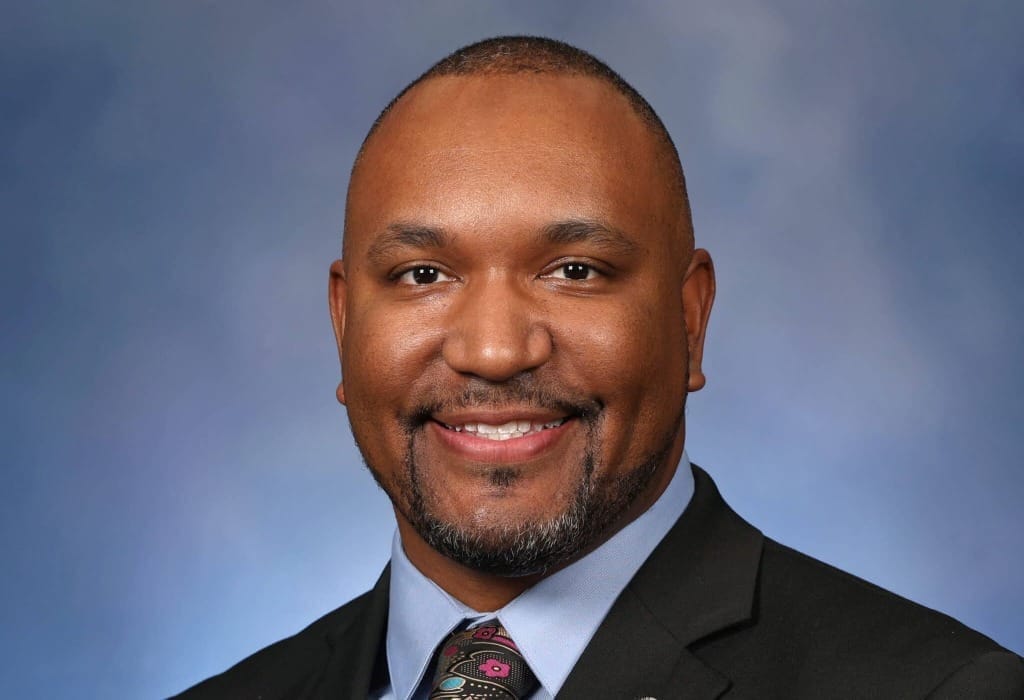
Rep. Jimmie Wilson Jr., D-Ypsilanti, said residents have expressed concern about rising utility costs and want a direct say in who regulates companies that set electricity and gas rates.
“Electing public service commissioners is not a change that benefits any one political party,” Wilson said. “It is a necessary choice we must give Michigan residents so they can decide who makes decisions that affect their rates.”
A separate bipartisan proposal would amend the Michigan Constitution to allow voters to elect commissioners. Constitutional amendments would require approval from voters statewide.
The commission declined to comment on the legislation, saying it remains focused on improving electric reliability and managing customer costs.
The proposal faces long odds in the current legislative session. House Speaker Matt Hall, R-Richland Township, said he believes the better solution is limiting the commission’s authority rather than electing its members.
Only about ten states elect public service commissioners, while most states rely on appointments by governors or legislatures.





Member discussion