Panelists Say BEAD’s Real Test Is Adoption, Not Infrastructure

The panel was focused on making the Broadband Equity, Access and Deployment program a success

Panelists Say BEAD’s Real Test Is Adoption, Not Infrastructure
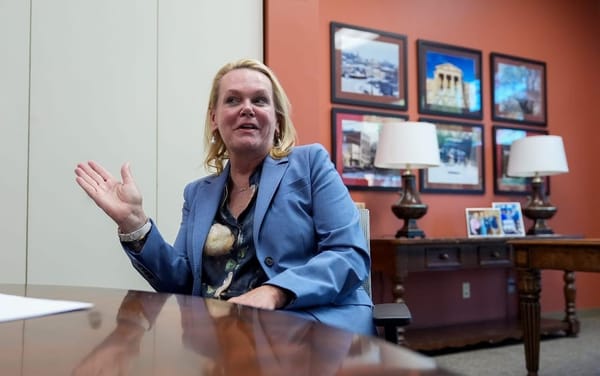
Photo of Lyndsay Moyer, vice president of state government affairs for Comcast, from Linkedin

WASHINGTON, Feb. 12, 2026 – Even if the federal government’s $42.5 billion BEAD program succeeds in building networks nationwide, panelists warned that the digital divide will persist if people cannot afford or effectively use broadband.

The discussion at the State of the Net conference on Monday, quickly centered on what several described as the larger challenge: Adoption. 

Paul Garnett of the Vernonburg Group framed it bluntly, calling adoption “our Everest.” The infrastructure gap may be measurable, he suggested, but the harder task is ensuring households actually subscribe and benefit from the service once it is available.

Dr. Nicol Turner Lee of Brookings pushed the point further, arguing that decades of broadband policy have too often separated supply from demand. 

Without sustained support for affordability and digital literacy, particularly after the end of the Affordable Connectivity Program, she cautioned, communities may hesitate to adopt services they cannot trust will remain affordable. With more services and emerging AI tools moving online, she said, failure to close the usage gap risks deepening broader inequities.

As the broadband deployment effort moves from planning to construction, said Lyndsay Moyer, vice president of state government affairs for Comcast, execution challenges could also threaten progress.

The most difficult phase begins when policy meets reality: Securing permits, attaching to poles, negotiating easements, and managing rising make-ready costs. Delays and unexpected expenses can disrupt project budgets, especially as states face overlapping deadlines in 2026.

Joey Wender, executive director of the Schools, Health and Libraries Broadband Coalition, turned attention to what he called the “$20 billion question”: How remaining non-deployment funds will be used once infrastructure goals are met.

Wender urged clarity in federal guidance and argued that states should have flexibility to direct those dollars toward affordability, digital literacy, and long-term adoption efforts.

Member discussion

Popular Tags