
Senate Unveils RAIL Act Days After House Advances Its Own Version
The bill would set permitting deadlines for work in railroad rights-of-way.

Jericho Casper
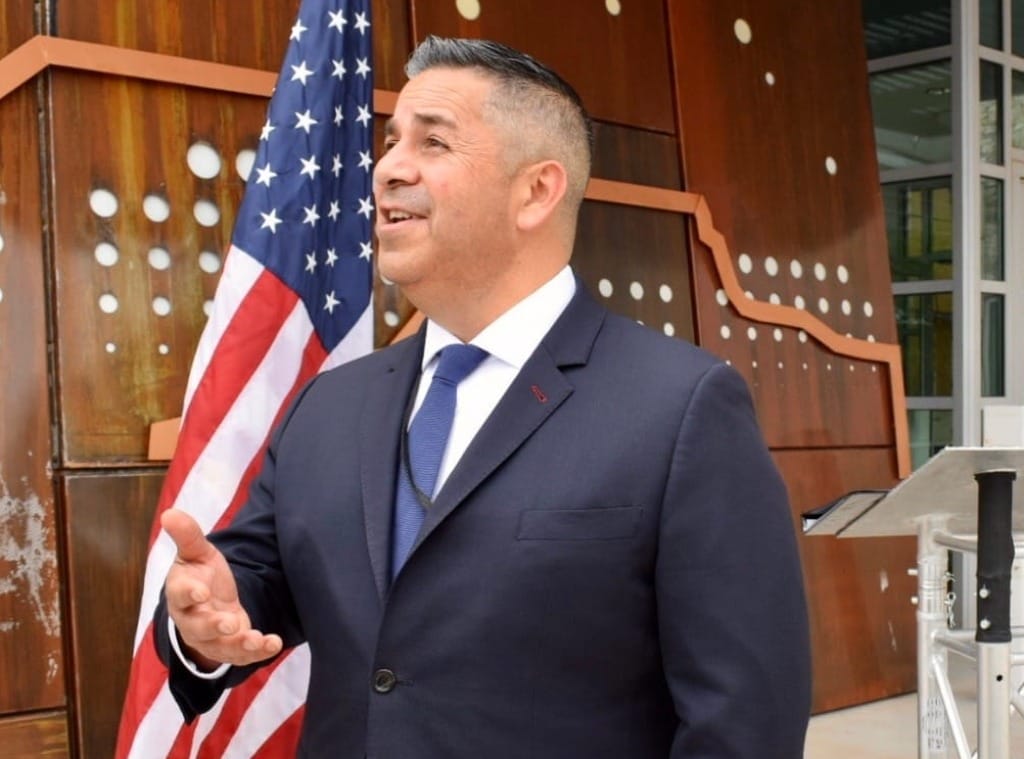
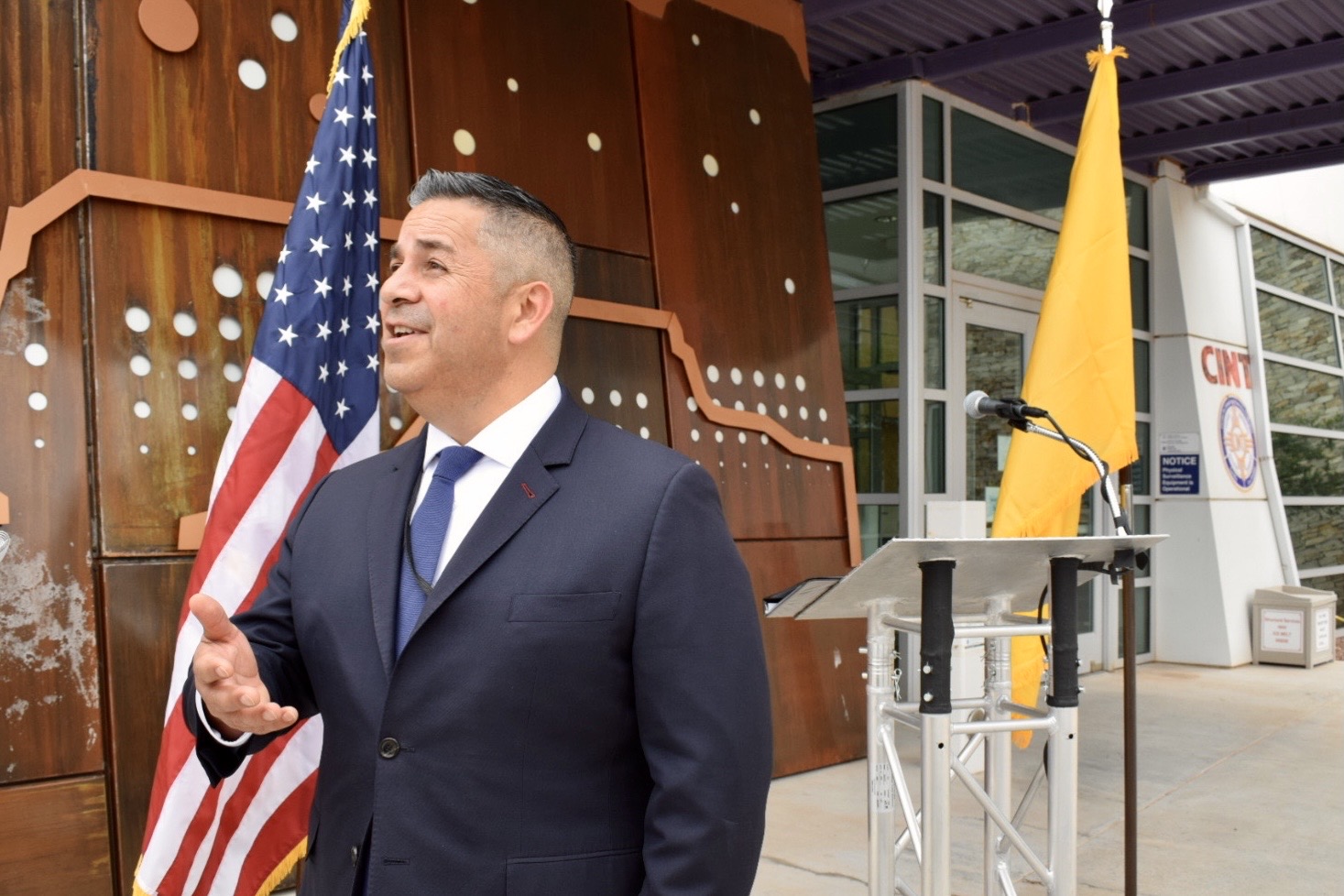
WASHINGTON, Nov. 21, 2025 – Senators Marsha Blackburn, R-Tenn., and Ben Ray Luján, D-N.M., introduced legislation Friday to cut one of the broadband industry’s most persistent permitting bottlenecks: crossing railroad rights-of-way.
The Broadband and Telecommunications RAIL Act would establish timelines for providers seeking to deploy telecommunications equipment alongside rail corridors and public roads, including strict timelines for railroads to respond and schedule the work.
The Senate bill arrives just days after the House Communications and Technology Subcommittee on Tuesday advanced the House version of the RAIL Act alongside a suite of other broadband permitting reforms.
The legislation would require railroads to respond to an applicant within 60 days. Once approved, they must schedule the work to begin within 30 days, unless mutually agreed otherwise.
It would restrict rail carriers from denying applications unless the project jeopardizes safety or substantially interferes with operations. It also limits compensation to actual, directly incurred costs, barring the large administrative fees providers often face today.
The measure tasks the Federal Communications Commission with resolving disputes and would require it to issue rules within a year in coordination with the Federal Railroad Administration.
The bill drew support from the cable, fiber and wireless industry, including trade groups NCTA, CTIA, USTelecom, the Competitive Carriers Association, the Wireless Infrastructure Association, and the Fiber Broadband Association, who say unpredictable delays and five-figure crossing fees routinely block deployment to rural towns.
Industry groups say the problem is acute
Industry groups said the problem was acute: INCOMPAS reported rail crossing permits languishing for nearly 20 months and fees exceeding $40,000 for a single crossing. Some providers documented crossing charges surpassing $600,000, with no formal dispute process available.
“This bipartisan, bicameral legislation finally establishes clear timelines, fair compensation rules, and meaningful dispute-resolution processes that will end these costly delays,” said Chip Pickering, CEO of INCOMPAS, supporting the bill's introduction.
Pickering expanded on the issue in an Expert Opinion for Broadband Breakfast, co-authored with former Federal Communications Commissioner Mignon Clyburn.
The RAIL Act has not drawn as much local opposition as other federal permitting preemption efforts. Rail corridors sit largely outside local regulatory control, with access controlled almost entirely by the rail carriers themselves.
The bill comes as a growing share of states have been cleared to begin statewide broadband infrastructure builds funded by the federal Broadband Equity, Access, and Deployment program.
The National Telecommunications and Information Administration approved 20 states’ build plans this week.






Member discussion