Special Report: Five Questions for OAN President Charles Herring
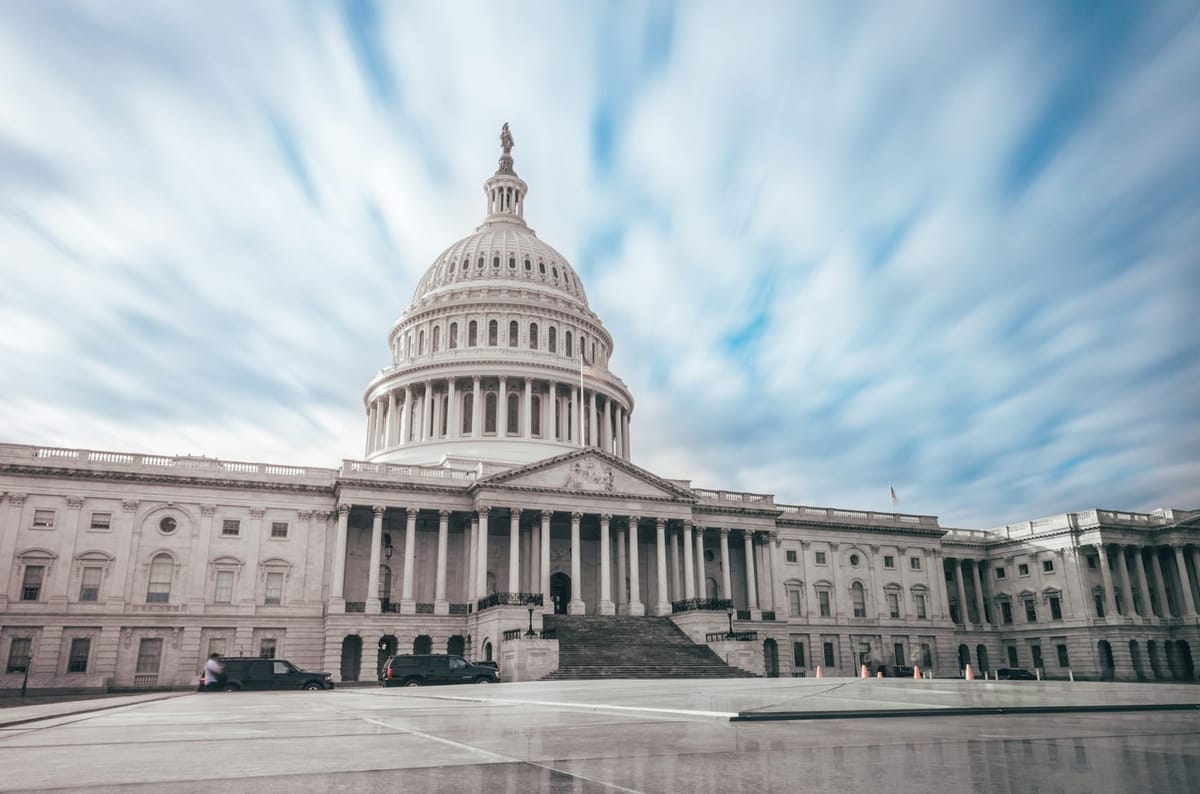
Intro: Charles Herring, president of Herring Networks and cable news network One America News (OAN), talks to Policyband about his concerns with Nexstar Media Group’s proposal to acquire TV station group TEGNA for $6.2 billion in cash and assumed debt. The deal requires approval from the Federal Communications Commission. If approved, the transaction would result in Nexstar’s owning 265 TV stations reaching 60% of TV households under current FCC rules.
Q1: Why do you believe the Nexstar-TEGNA merger poses a greater threat to competition than previous consolidation moves in the broadcast TV industry?
A: My concerns are less about any individual broadcaster and more about ownership concentration hindering a competitive marketplace by causing higher cable bills, frequent blackouts driven by contentious retransmission disputes, and reduced independent network carriage as distributors’ budgets evaporate due to monopolistic forces.
Q2: Is your point that Nexstar-TEGNA will take so large a share of the license fee market that there will not be enough money left for OAN to receive a fair rate?
A: The issue is broader than just OAN. As wholesale programming rates escalate well beyond reasonable levels, the downstream effect is that fewer, if any, true independent networks will retain carriage, with modest fees significantly narrowing choices for viewers.
Q3: You’ve warned that lifting the 39% ownership cap risks creating a “quasi-monopoly.” Can you explain how you see this affecting local newsrooms and the diversity of viewpoints on television?
A: Healthy competition and a range of viewpoints are vital to both consumers and our democracy. Unfortunately, we’ve seen repeated cases where local stations are required to carry uniform corporate talking points instead of maintaining true local newsroom independence. Broadcast spectrum frequencies were originally granted to serve local communities; excessive consolidation undermines that mission.
Q4: Critics of the 39% cap argue that larger broadcast groups are needed to compete with digital platforms like YouTube and Netflix. How do you respond to that argument?
A: Relaxing or eliminating the cap won’t make broadcasters more competitive with digital platforms, it will just harm consumers and MVPDs. Cable bills are already too high, and inflated broadcast affiliate fees only push them higher, accelerating cord-cutting. This creates a cycle where broadcasters contribute to their own decline. Meanwhile, platforms like YouTube thrive on ad-supported clips, many provided by broadcasters themselves while cable companies are denied such advantages.
Q5: Do you see the Nexstar-TEGNA deal as part of a broader trend in Washington toward relaxing media ownership rules, and what concerns does that raise for smaller or independent outlets like OAN?
A: I remain optimistic that Washington will ultimately preserve guardrails that protect marketplace balance. Across the political spectrum, industry voices have expressed concern about the harms of lifting the ownership cap. After debate, I believe common-sense provisions will remain in place to prevent concentration of power, safeguard consumers, and ensure space for independent networks like OAN to compete on a level playing field.