State Broadband Officers Prioritize Community in BEAD Deployment
Officials said that community outreach is essential to digital equity

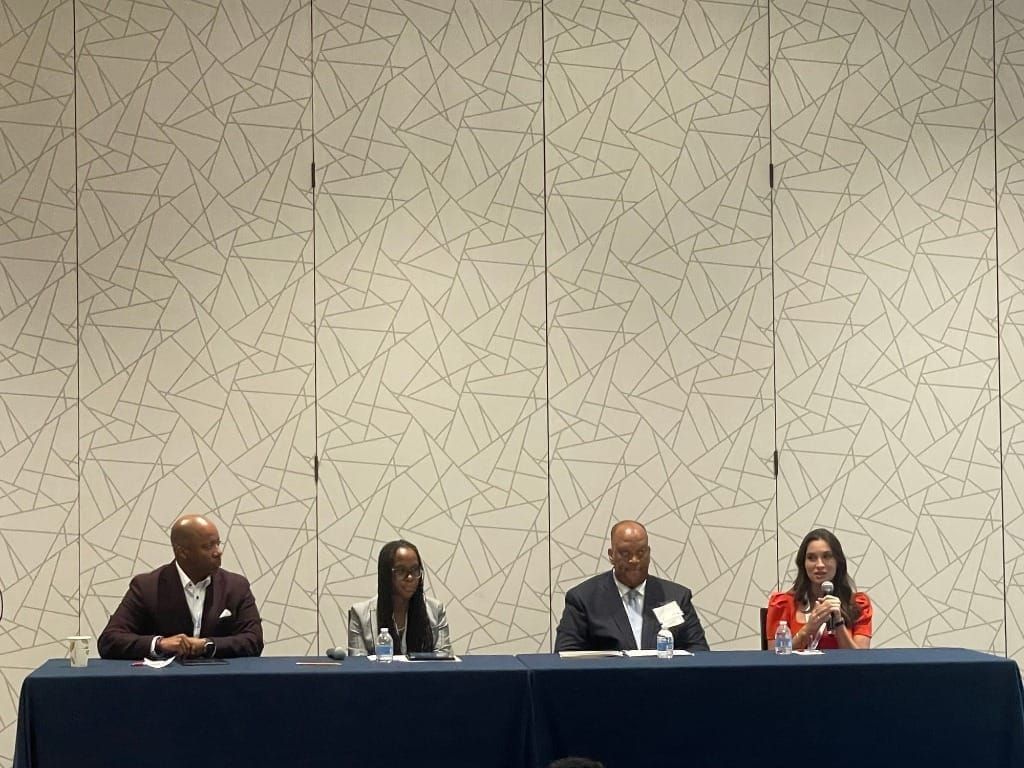
ARLINGTON, Va., Oct. 3, 2024 – A group of state broadband officials said on Thursday that placing communities in the driver’s seat is crucial to successfully implementing the Biden Administration’s $42.45 billion Broadband Equity, Access, and Deployment Program.
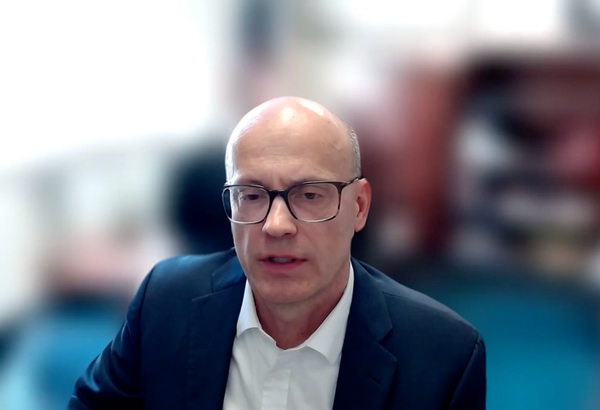
“[We] can’t operate BEAD without engaging our communities,” said Washington D.C. Broadband Office Director Kevin Hughes on a broadband deployment conference panel that included Virginia Department of Housing and Community Development Program Manager Tamara Holmes.
Holmes noted the importance of community engagement in the deployment of BEAD funding, stressing the need to “pull in regional partners to [successfully] develop these plans.”
Edyn Rolls, Director of Broadband Strategy in the Oklahoma Broadband Office, also noted the importance of community involvement in BEAD deployment. Specifically, she noted that, in the two years since the founding of the Oklahoma Broadband Office, it has met with 38 of the state’s 39 tribal entities to understand which localities need expanded broadband access the most.
“If it’s a ‘maybe’ that there is service [in a specific location], there is not service there,” said Rolls, stating the importance of locality engagement when planning for BEAD deployment.
The officials were speaking at the annual AnchorNets conference (Oct. 2-4) in Arlington, Va., hosted by the Schools Health & Libraries Broadband Coalition. Panel moderator was Scott Woods, President of Public-Private Partnerships at Ready.net.
The panel also noted the importance of non-deployment, or leftover, funds in increasing digital equity.
Hughes mentioned that non-deployment funds were an essential component in increasing access to digital infrastructure within communities, citing a Washington D.C. plan to deploy a mobile tech fleet to develop digital literacy among district residents.
Broadband policy expert Carol Mattey says the next round of funding could roll out in nine months
USTelecom said the bill ‘can help clear the path’ to broadband permitting reform
States are still waiting for NTIA to clarify how they can use all BEAD funds
Tribal communities are combining fiber, shared networks and adoption support to create internet services they can govern and sustain.
America250 / Telecom150
Be part of the broadband community.
Breakfast Club access through December 31, 2026—at least three months—with no automatic renewal.
Secure paid checkout is provided by HubSpot. Paid passes DO NOT renew automatically.
Complete your secure one-time payment without leaving Broadband Breakfast.