States Working on BEAD Project Costs, Permits
Equipment costs are rising as projects get underway

Jake Neenan
DENVER, Aug. 11, 2026 – As Broadband Equity, Access, and Deployment program projects begin to get underway, rising project costs could be a potential pain point.
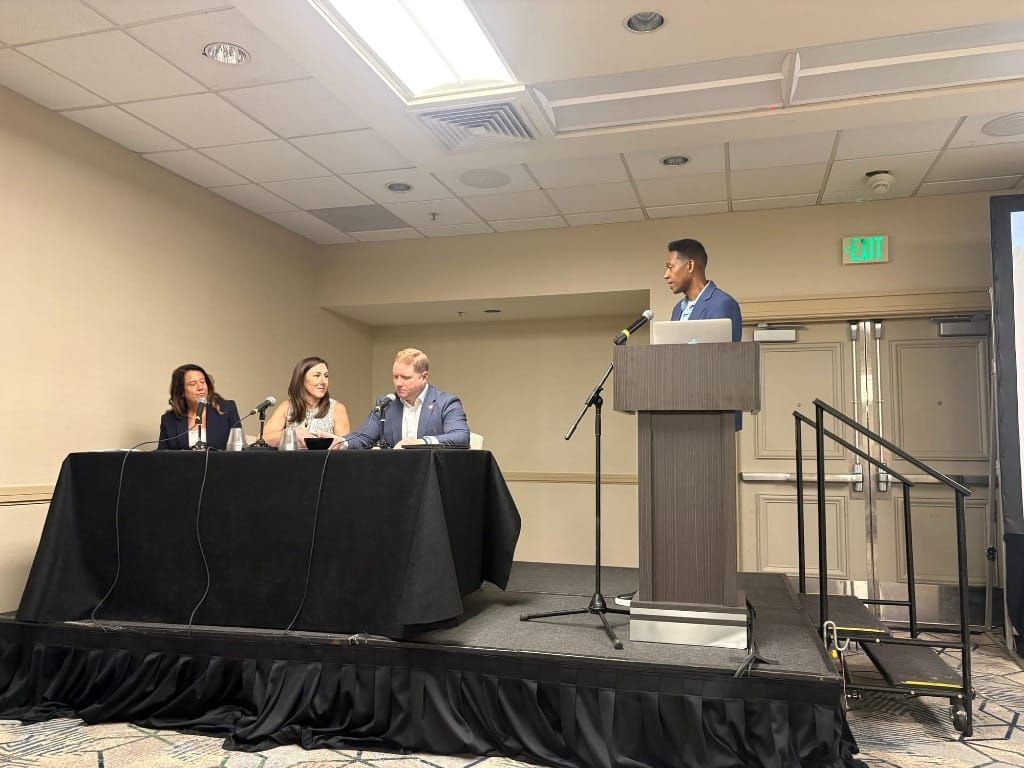
“We are seeing this across the board with providers,” said Bree Maki, executive director of Minnesota’s broadband office. She spoke at the Mountain Connect conference here in Denver.
Applicants bid for grants under the $42.45 billion BEAD program nearly one year ago, and under new Trump administration rules that prioritized cost-efficient builds. In the meantime, inflation has continued apace and AI companies’ demand for American-made fiber has grown.
Maki said her office would support waivers to increase grant support if they made sense, even if they might not have a high chance of approval by the National Telecommunications and Information Administration.
Minnesota is looking to spend about $379 million, about 60 percent of its allocation, to serve its nearly 75,000 BEAD-eligible locations. Most states are spending much less than they were allocated, a result of eligible locations falling over time and the Trump administration rules.
Sarah Baska, director of Georgia’s broadband office, said one provider ended up refusing an award because it would have needed more money than it bid for to make its project work.
NTIA Administrator Arielle Roth has said over 1 percent of BEAD’s nearly 4 million locations were refused by the winning provider for one reason or another.
She told lawmakers in June that it wasn’t unexpected based on the program’s size, and that the agency had a process for working with states to find replacement ISPs.
Roth has also said major U.S. fiber manufacturers have committed to making sufficient supply available amid high tech company demand, and that she doesn’t anticipate NTIA waiving its requirement that BEAD fiber be made in the U.S..
Baska said her office was still looking for a replacement provider. She said the office was also open to seeking waivers for increased support if it would keep projects from falling through.
“I’m going to take as many shots on goal as possible,” she said. ‘If I don’t, then I definitely won’t get the waiver.”
Glen Howie, director of Arkansas’s broadband office, cautioned it would be important to discern whether cost increases were the result of unexpected increases in material or labor costs, or an overly aggressive bidding strategy.
“It’s important for the states to be objective and evaluate those requests very deliberately,” he said.
Permits
Navigating potentially labyrinthine local, state, and federal permitting requirements is also often cited as a potential roadblock. A recent analysis from New York Law School found the median BEAD project will need about 11 permits from eight different permitting authorities.
Maki said hiring a dedicated staff member to coordinate permitting issues was helpful. Her office recently hired an archaeologist who used to work for the USDA, she said, and their expertise in historical and environmental reviews had been beneficial.
She also had been convening meetings with local permitting agencies over the past two years to get a sense of their needs, she said.
Howie said his office created a guide for ISPs with permitting agency contacts and process overviews. The office also did road shows around the state — he estimated more than 200 in total over the course of the last three years — where he and staff explained BEAD and urged counties to create broadband committees.
He said the goal was to generate some local enthusiasm in addition to permitting preparation.
“Not only is it, you go into their community and you’re potentially ripping open their roads and all these things, but they have some ownership, they want it to succeed, and they’re invested,” he said.
NTIA has been working for years to reduce the permitting burden on program participants. The agency developed a digital tool for shepherding projects through the federal environmental and historical review process, and expanded a suite of exemptions to those rules that allow certain kinds of projects to be cleared without an intensive review.
States also have to convene roundtables with ISPs and permitting agencies, and collect complaints when issues go unresolved.
Julie DeCuypere, a broadband program manager at consulting firm Michael Baker, said it was important early in the process to communicate directly with rural permitting agencies.
Those county and town offices may themselves not have a website, and were likely understaffed.
“Probably the biggest thing is being patient and listening. It might be a part-time person” handling permits in rural areas, she said. “It might be a person volunteering on a community committee.”