Supply Chain Concerns Mean Providers Must Plan Ahead on Equipment Orders, Says ISP
Delays in supply chain movement means providers should ‘know what you need six to nine months out.’

HOUSTON, May 4, 2022 – In the wake of the supply chain crisis exacerbated by the Covid-19 pandemic, those in the planning stages of their broadband builds should already be preparing their supply orders.
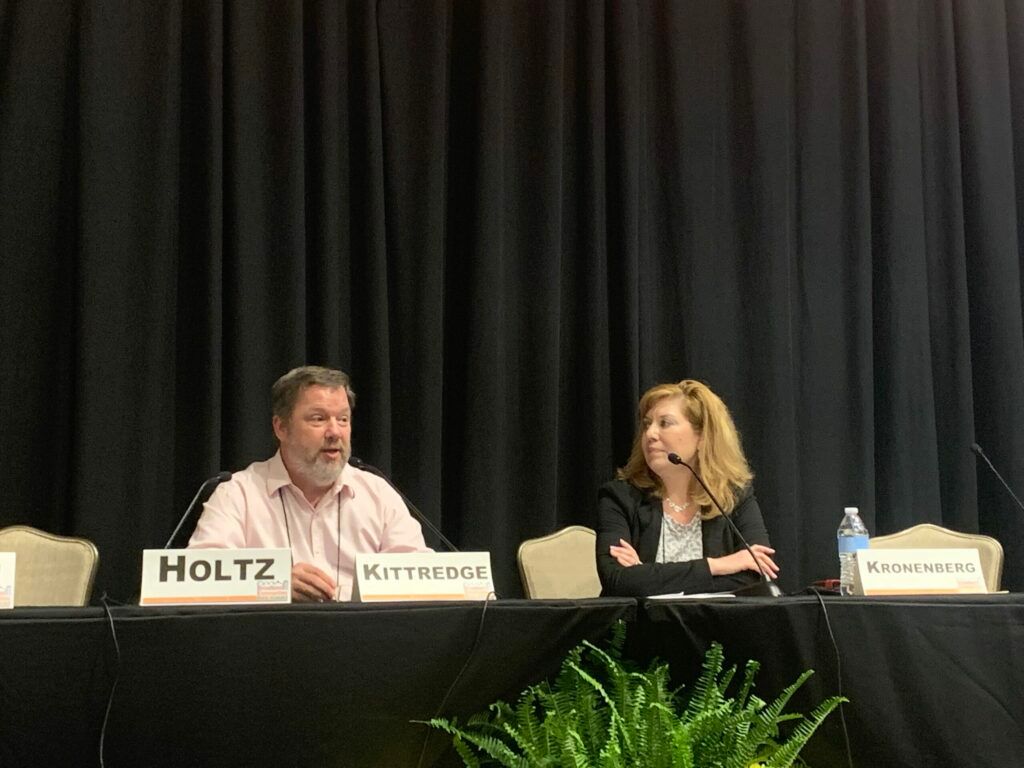
During Broadband Communities Summit 2022, Great Works Internet CEO Fletcher Kittredge explained that in an industry where the average weight time for supply deliveries is six months, those building broadband projects need to know what they need as early as the financing, planning, and make-ready stages.
“You should know what you need six to nine months out,” Kittredge said. He explained that even if orders are processed in a timely manner, one delay on a small but necessary component can hold up a project with potential tens of millions of dollars on the line.
While that is bad enough for large companies, a delay like that can be a project killer for smaller companies.
While issues around the supply chain still swirl, Kittredge said that private entities, the federal government and state governments have finally begun to take action to improve the labor shortage that has compounded concerns related to the pandemic.
“Necessity is forcing a lot of good things to happen,” Kittredge said. He pointed to training and apprenticeship initiatives designed to create a pipeline of labor necessary to meet demand.
“[This movement] has the potential to pull people onto a ladder of success that they would not otherwise have been able to get on.”
Six grants will expand and implement Wi-Fi in public plazas, parks and municipal buildings.
As fiber networks rapidly expand nationwide, the retirement of legacy copper infrastructure has emerged as a critical broadband policy debate, raising complex questions about service continuity, regulation, and the risk of leaving rural and low-income communities behind.
The bill would direct the Illinois Commerce Commission to set broadband price protections for low-income residents.
Carriers worry permitting delays and labor shortages could lead to connectivity loss in rural communities.
Member discussion