Broadband's Impact
Republican Lawmakers Criticize ACP as 'Wasteful' in Letter to FCC Chairwoman
The internet subsidy for low-income households is set to dry up without Congressional action.

The effort to ensure that all communities have access to high-speed internet and receive digital skills education. Despite years of federal, state, and local investments, millions of Americans still lack broadband access due to geographic challenges, low population density, and high infrastructure costs.

Broadband's Impact
The internet subsidy for low-income households is set to dry up without Congressional action.

Expert Opinion
It is crucial to prioritize community solutions where service is offered in partnership with trusted community institutions.
Broadband Live
The FCC just struck the gavel on a set of rules aimed at holding telecom companies accountable for business practices that result in digital discrimination, whether intentional or not. This decision has intensified an ongoing debate that began when the rule proposal was initially released for public comment in December
Digital Inclusion
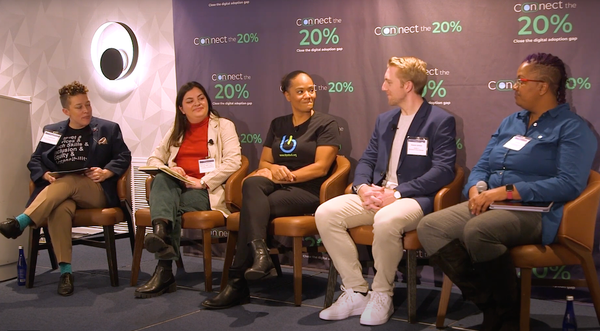
Digital skills are a necessary foundation for workforce development, said panelists at the Nov. 14 event.
FCC
Industry associations are not happy about the FCC’s new digital discrimination rules.
Biden-Harris Administration
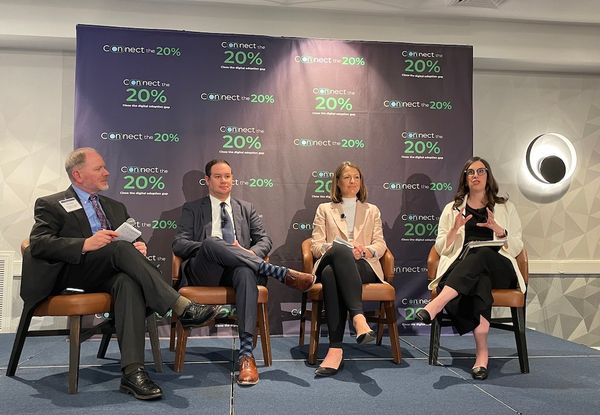
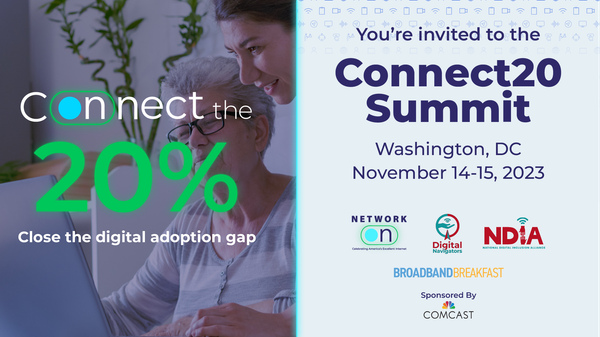
Officials from broadband funding programs emphasized the important of non-deployment projects at the Connect20 Summit in Washington.

Expert Opinion
A core component of Americans — about 20 percent — are not connected to the benefits of better broadband.
Digital Equity Act
The program sets aside $14 million in ARPA funds for digital literacy and affordability efforts.
FCC
U.S. Chamber of Commerce, AT&T, Verizon, and industry trade groups met last week with commission staff to voice concerns.
Laurel Leverrier
The event is organized by NetworkOn, National Digital Inclusion Alliance and Broadband Breakfast, and sponsored by Comcast.
Broadband's Impact
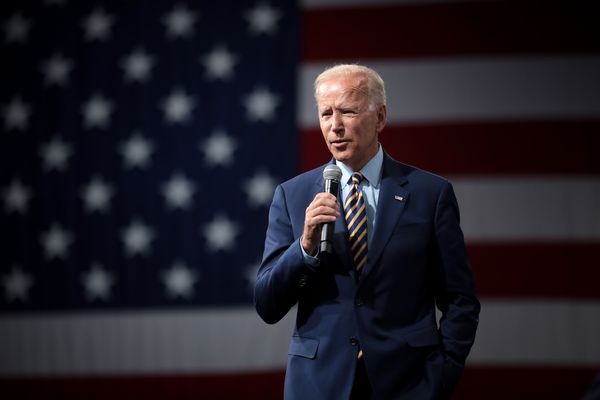
The internet subsidy dubbed the Affordable Connectivity Program is set to dry up as early as April 2024.
Biden-Harris Administration
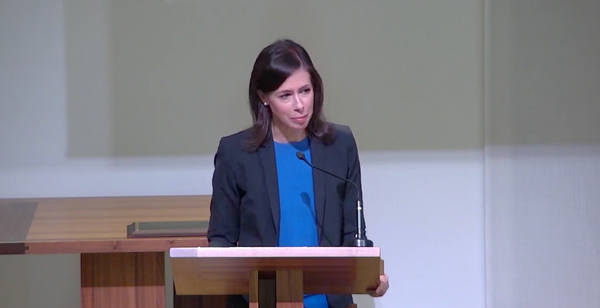
The rules would aim to prevent unequal broadband access along racial and class lines.
FCC
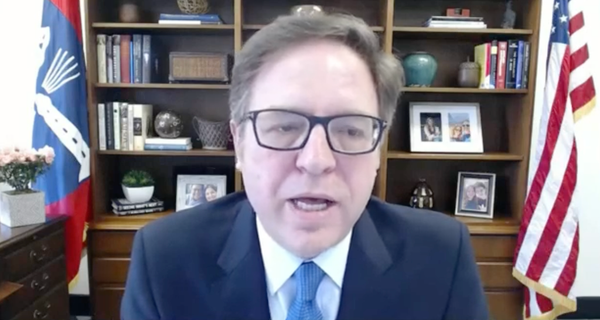
Disparate impacts, rather than discriminatory intent, should be the commission’s focus, the agency said.
Expert Opinion
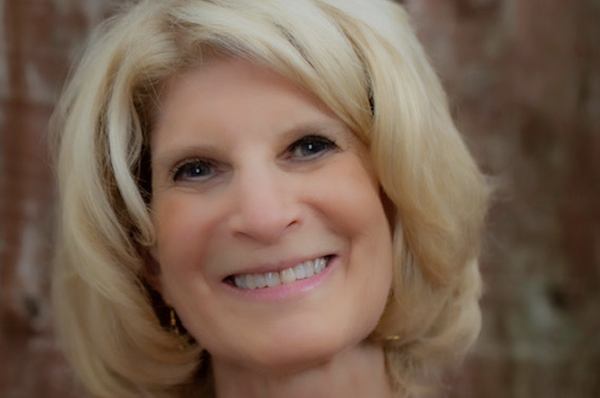
A broadband connection opens a universe of opportunities and benefits for older adults that grows exponentially.
Digital Equity Act
The nonprofit Connect and Literacy Fund is planning to increase ACP adoption in Mississippi.
Biden-Harris Administration
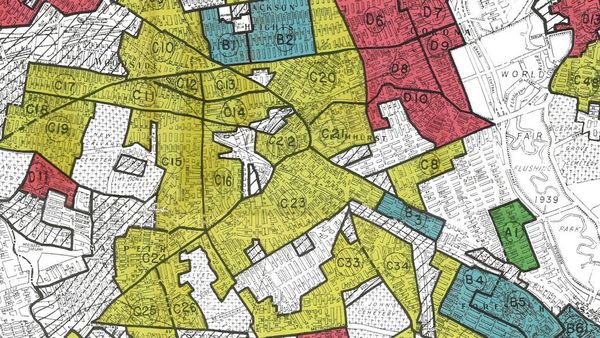
Trade group says telecoms are not discriminating when they don’t build in financially difficult areas.