SpaceX
Kate Forscey: Mobile Broadband Gap Needs to Be Remedied, Too
A recent study by CostQuest suggests that 37,000 more towers are needed to bring mobile coverage up to speed nationwide.

In August 2019, the FCC adopted a $20.4 billion Rural Digital Opportunity Fund to expand high-speed fixed broadband service to underserved areas. Phase I of the program concluded on November 25, 2020, but the overall program will continue through 2028 as funding is distributed.

SpaceX
A recent study by CostQuest suggests that 37,000 more towers are needed to bring mobile coverage up to speed nationwide.

Chips
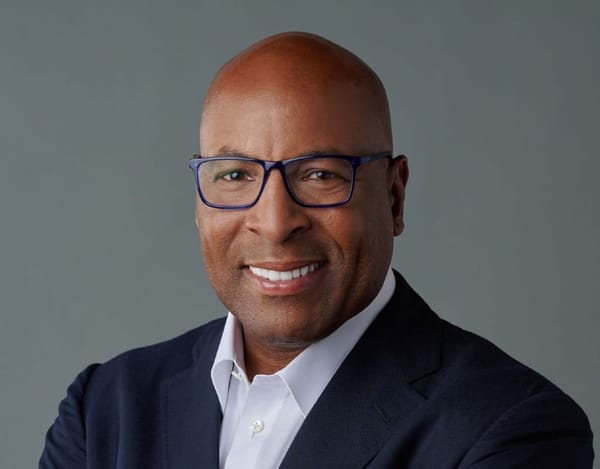
Johnson will replace former CEO Jeff Storey, who announced his retirement after a 40-year career.
Rural
Carr said he was notified via press release of the FCC decision to deny RDOF money to Starlink and LTD.
Rural
The FCC should incorporate the mapping data from local governments to avoid overbuilding, ensure technology neutrality.
Broadband Live
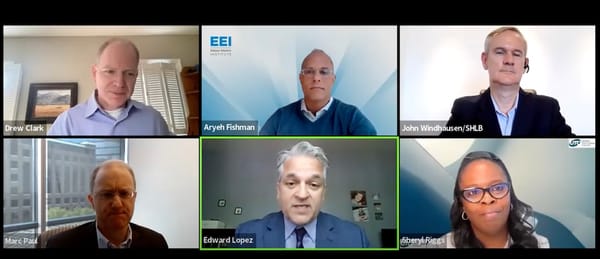
Utilities Technology Council CEO Sheryl Riggs questioned whether broadband access is expanded if costs just float to ratepayers.
Rural
It’s the ninth wave of funding confirmations, bringing the total amount to more than $5.2 billion to three million locations.
SpaceX
Mobile broadband is largely ignored by federal connectivity efforts.
Broadband Live
Critic cites RDOF program as an example of bias toward fiber.
FCC
The commission says RHMD, LLC ‘failed to diligently pursue efforts to obtain’ a waiver for the eligibility deadline.
Rural
The FCC has now confirmed more than half the $9.2 billion for the program.
FCC
Results of verifications, audits and speed and latency testing for the Rural Digital Opportunity Fund will be made public.
Infrastructure
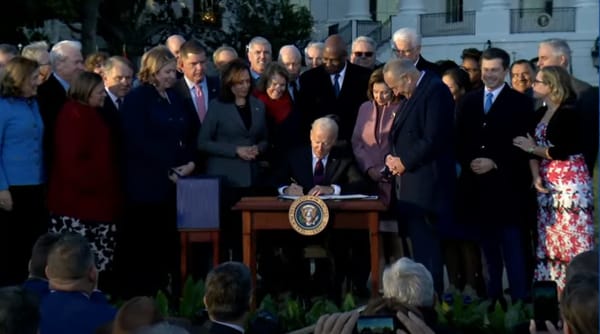
Funneling of infrastructure funds through states differs from Obama-era broadband programs.
Rural
The agency said Thursday it has approved $1 billion to 69 providers in 32 states.
Satellite
The infrastructure bill’s tech neutrality is concerning critics who say money will go to satellite, not enough to fiber.
Rural
Rural advocates are asking for accountability for infrastructure bill spending on broadband.
Rural
The agency released a statement of objectives earlier this month.