IIJA
One Eye Warned, Agriculture Plows $40M into New Mexico, Verizon’s FAA Contract
The FCC is prepared to terminate by order the call traffic to and from One Eye LLC for alleged robocall violations.

The scourge of robocalls is making America's once-vaunted telephone network less trustworthy.

IIJA
The FCC is prepared to terminate by order the call traffic to and from One Eye LLC for alleged robocall violations.

Expert Opinion
Blocking the entire compromised originating or terminating ranges of voice traffic leads to unnecessary losses.

Broadband Live
Despite the FCC’s recent expansion of STIR/SHAKEN, some panelists called the framework ineffective.
prison
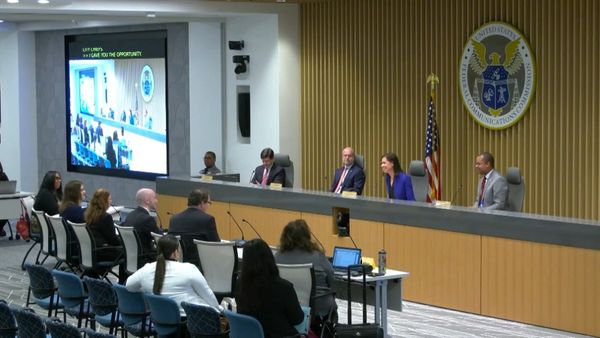
FCC approved first rules on robotexts, more on robocalls, and opened comments on dead zone satellite coverage and prison call rates.

Broadband Live
Has the FCC succeeded in making the STIR/SHAKEN framework work?
Justice Department
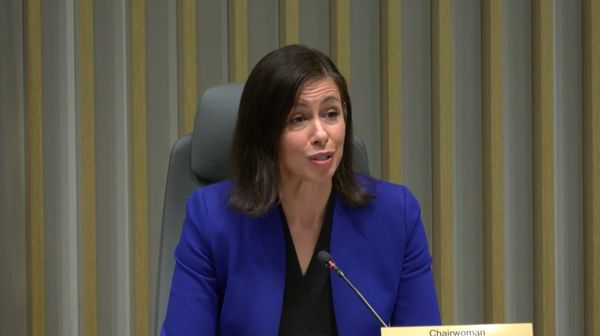
The FCC will vote on call rates of incarcerated people at its next open meeting next month.
Justice Department
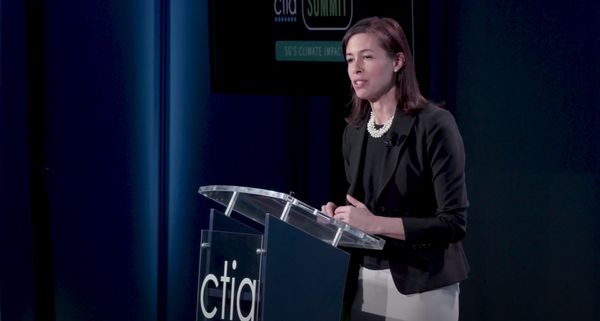
The commission will vote on the robotext proposal in March.
FCC
Current precedent is unclear in data security litigation, say experts.
FCC
Some states’ attorneys general are suing a realtor for alleged robocall scheme.
Cox Enterprises
The FCC alleges that the Cox/Jones Enterprise conduct violated the Telephone Consumer Protection Act.

FCC
The portal provides private entities the ability to notify the FCC about robocall violations.
Cox Communications
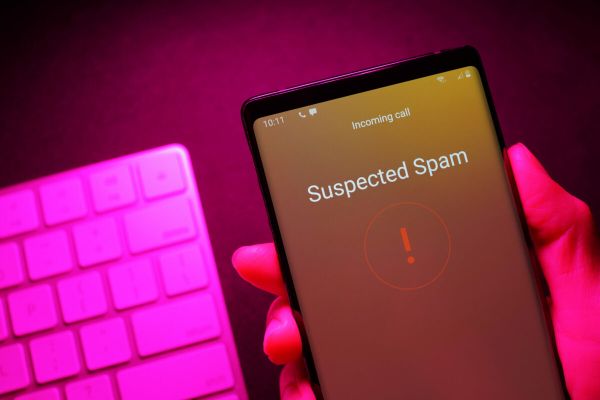
Imposter fraud is a particularly predatory offshoot of robocalling, often involving extremely sophisticated scams.

Expert Opinion
Why are flash calls on the rise and how do operators handle them to maximize revenue?
Robocall
The commission’s ruling follows a notice of inquiry the agency approved last month.

NCTA
Commenters urge FCC not to further extend robocall deadlines to comply with framework.

Expert Opinion
STIR/SHAKEN offers no protection from fraud schemes besides robocalls and caller ID spoofing.