
Texas Camps Sue to Block State Fiber Internet Mandate
The state imposed the requirement after Camp Mystic flood citing failures in emergency communications.


April 9, 2026 – Nineteen Texas summer camps sued Tuesday to block a state rule requiring fiber internet and a backup connection, saying the mandate threatens their ability to operate.
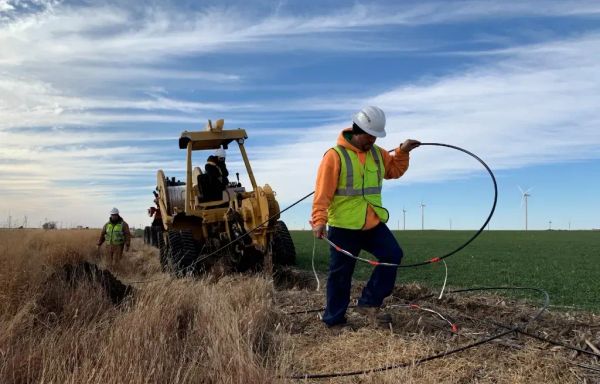
The provision of Texas Senate Bill 1 requires camps to maintain broadband service using end-to-end fiber optic facilities and a second, distinct broadband connection.
State officials adopted the rule to comply with legislation passed during the 2025 special session. The law mandates both a primary broadband connection and a secondary connection for licensed youth camps. The rule was filed Jan. 13, 2026, without changes.

The legislation followed a July 2025 flood in the Texas Hill Country that killed 25 campers and two counselors at Camp Mystic. Emergency responders initially struggled to confirm conditions at the camp due to lack of communication infrastructure.
The lawsuit, filed in Travis County state district court, names the Department of State Health Services, the Texas Health and Human Services Commission and Attorney General Ken Paxton.
The requirement does not improve safety, violates state law and the Texas Constitution, and could prevent some from opening, the camps argue.
The group includes Camp Champions, Camp Longhorn and Tejas Ministries.
Internet providers told the camps the required service could not be delivered, could not be verified as “end-to-end,” or would be prohibitively expensive, the camps stated.
Camp Liberty was quoted about $1 million upfront and $3,500 monthly over five years. Camp Longhorn was quoted more than $1.2 million, according to the filing.
The rule makes no exception for rural camps where fiber may be unavailable or too costly, the lawsuit also says. The camps serve more than 40,000 children each year.
The Department of State Health Services received comments from 108 stakeholders, during the rulemaking process.
Many urged the agency to remove the fiber requirement, allow alternatives or delay implementation.
The agency declined, stating the rule must align with statutory requirements. The broadband and redundancy requirements are mandated by state law and cannot be changed through rulemaking, officials said.








Member discussion