Advocates Warn Broadband Gains at Risk Without Sustainable Consumer Subsidy
Panel links ACP lapse to rising disconnections and affordability strain.

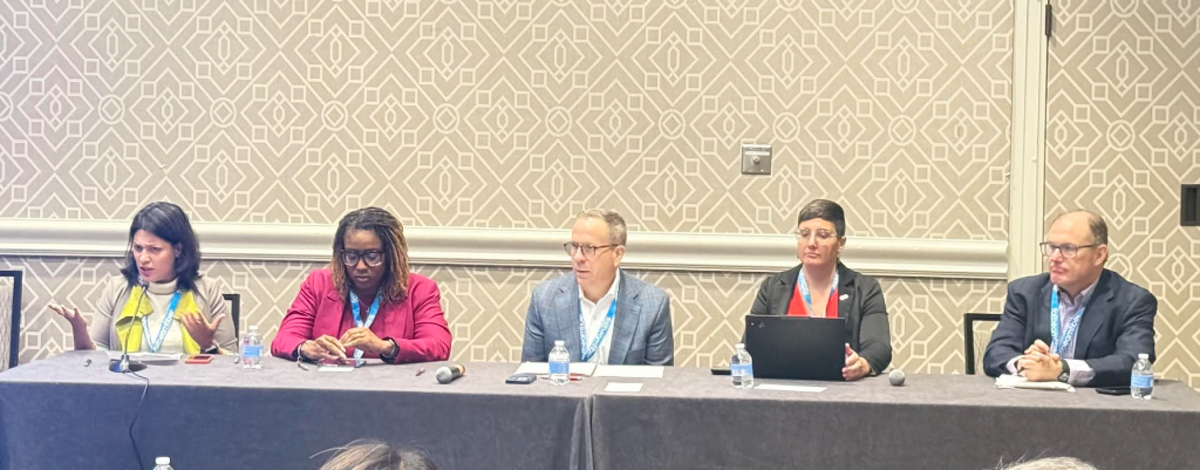
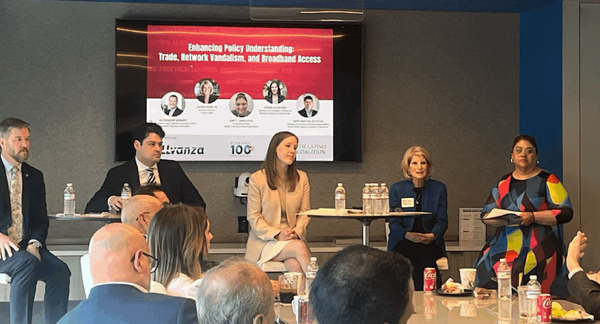
ARLINGTON, Va., Oct. 31, 2025 — Digital equity advocates warned Thursday that inconsistent federal financing threatened to erase broadband adoption gains, and urged Congress to replace the lapsed Affordable Connectivity Program with a stable, long-term consumer subsidy.
Moderated by Revati Prasad, executive director of the Benton Institute for Broadband & Society, the panel said high monthly costs remained the main reason families lose or forgo internet service.
Any replacement for the ACP must function as a permanent affordability support, not a short-term emergency program, argued Prasad of the Benton Institute, a nonprofit that researches broadband policy and digital equity.
Panelists said the ACP reshaped the broadband market but left major gaps when funding expired. Adeyinka Ogunlegan, vice president of government affairs and policy at civil rights organization National Urban League, said the $30 subsidy pushed providers to create plans that met federal speed standards and opened competition for low-income customers.
John Horrigan, senior fellow at the Benton Institute for Broadband & Society, said survey data showed that most households claiming “no interest” in home internet were actually constrained by cost, and he warned that disconnections and downgrades will accelerate without renewed fiscal support.
Speakers said enrollment should be treated as a core element of program design, not a short-lived outreach effort. Kate Rivera, executive director of the Technology Learning Collaborative, a Philadelphia nonprofit that promotes digital inclusion and digital-skills training, said many households that adopted service during the pandemic have since lost it or downgraded because “they ran out of time, not interest.”
Rivera and Ogunlegan said affordability programs must fund digital navigators and community partners year-round to help residents apply, transfer benefits, and maintain service - work that can’t depend on expiring grants.
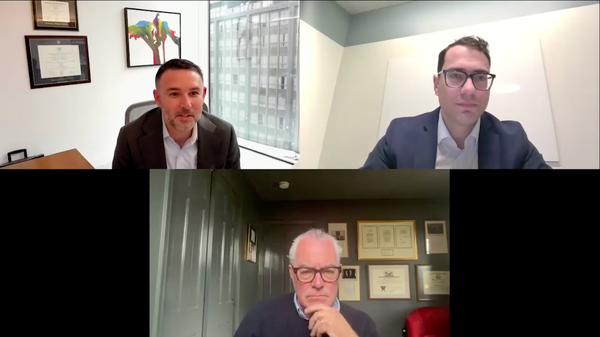
John Heitmann, partner at Nelson Mullins, a Washington-based law firm, said effective public benefits relied on frictionless access and local trust, and added that when subsidies vanish, “it’s not just the money that disappears, it’s the credibility.”
Panelists also pointed to blind spots in ACP’s design that left apartment residents behind. The “benefit-to-person” rule complicated service in public housing, they said, and future programs should allow bulk or building-based enrollment to connect entire complexes. Horrigan cited Baltimore’s Johnston Square as a model, where city funds supported gigabit service across a refurbished housing development.
Speakers closed by calling for long-term federal support for affordable broadband, anchored in consistent funding, simple enrollment, and local partnerships.
Federal acquisition lags private-sector advances, creating deployment gaps across key defense technologies.
Deal hands WOW! to investment firms DigitalBridge and Crestview amid rising fiber competition.
On the FWA front, MoffettNathanson estimates the service accounts for more than half the traffic on Verizon, T-Mobile networks.
NVIDIA's CEO warned China now generates twice the U.S. electricity, builds data centers in months, and claims 70% of global AI patents.
Member discussion