
Amazon Leo to Launch ‘Mid-2026,’ CEO Says
The nascent Starlink competitor has fallen behind schedule on its satellite launches.

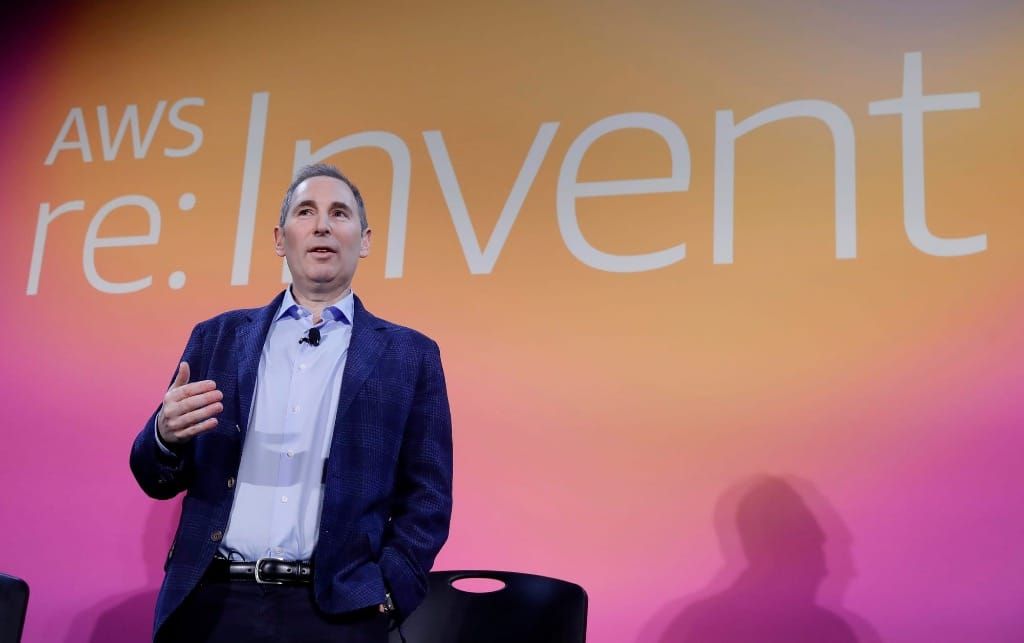
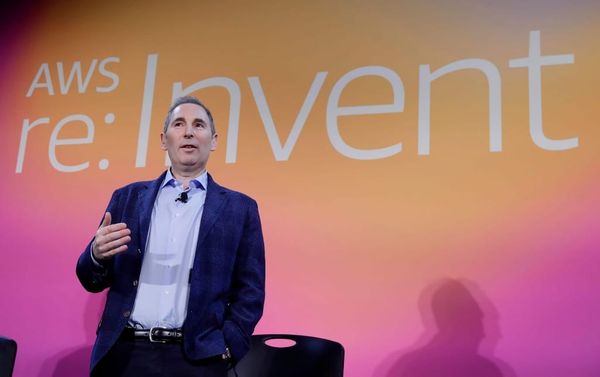
WASHINGTON, April 9, 2026– Amazon Leo is now set to launch in “mid-2026,” Amazon CEO Andy Jassy said in a Thursday letter to shareholders. Jassy claimed the Starlink competitor would be able to win on speed and price.
“First, the performance will be stronger (about six to eight times better on uplink, and two times better on downlink) than what customers have access to now,” he wrote. “Second, this performance will come at a lower cost than alternatives.”
The alternative that customers have access to is overwhelmingly Starlink, the SpaceX service that’s already serving 10 million global customers on a 10,000-satellite constellation.

Amazon Leo has 241 satellites in orbit by comparison, having fallen behind schedule after an unexpected “reengineering” of its satellites and repeated launch delays. The company has asked the FCC to extend its first deployment deadline, which would require 1,618 satellites by July 30 of this year.
The company has maintained it will meet its July 2029 deadline for its entire 3,232 satellites and plans to have 700 in orbit by the end of July 2026.
“With a few thousand more satellites launching in the coming years, the constellation is expanding rapidly,” Jassy wrote.
In September 2025, Amazon was planning to have service in five countries by the end of the first quarter of 2026. Ricky Freeman, the former head of Amazon Leo Government, left the company after three years in March.
Jassy said the company already had “meaningful revenue commitments from enterprises and governments,” like the recently announced Delta Airlines deal, plus NASA and Australia's nationwide open access network.
Despite not yet offering commercial service, Amazon Leo was one of the biggest winners in the $43.45 billion broadband Equity, Access, and Deployment program.
It’s set to serve nearly 417,000 rural locations – the second most of any provider – in exchange for more than $312 million by a Connected Nation tally. The location count is similar to the only other satellite participant, SpaceX, but Amazon came in with much lower bids.
SpaceX is set to receive nearly $739 million, more than twice Amazon’s total, to serve 476,000 locations.
The Financial Times reported last week that Amazon was considering purchasing satellite operator Globalstar in an effort to compete with SpaceX on direct-to-cell mobile service.
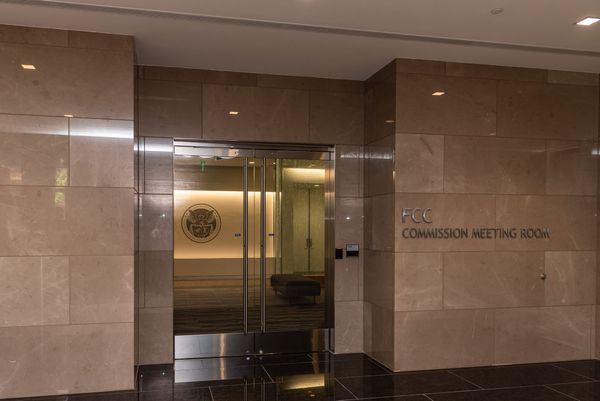
The Federal Communications Commission is set to vote April 30 on new satellite spectrum sharing rules that would allow low-Earth orbit operators like SpaceX and Amazon to provide faster broadband speeds.



Member discussion