
Anchor Institutions Face Funding Crisis as Digital Divide Widens, Panel Says
The Broadband Breakfast Live Online event comes two weeks before AnchorNets in Arlington, Va., on Oct. 29-31.


WASHINGTON, Oct. 16, 2025 — Schools, libraries and healthcare facilities are struggling to maintain connectivity amid federal funding cuts and policy changes that threaten their ability to serve vulnerable communities, experts warned during a webinar Wednesday.
The Oct. 15 Broadband Breakfast Live Online discussion, held as the federal government shutdown entered its third week, highlighted mounting challenges for anchor institutions that provide essential broadband access to millions of Americans.
"Anchor institutions are really the heartbeat of our communities," said Joey Wender, Executive Director of the Schools, Health & Libraries Broadband Coalition. "It's where we gather, it's where we learn, and it's where we seek care."
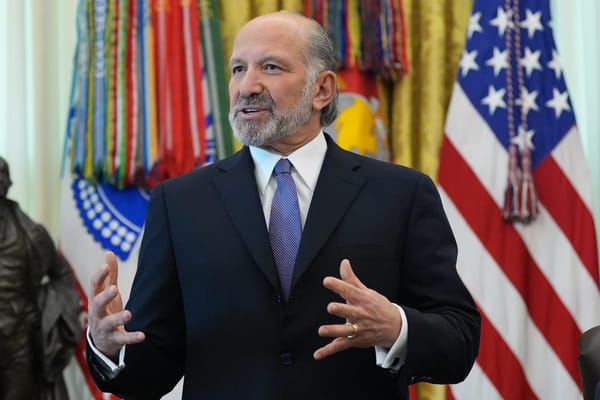
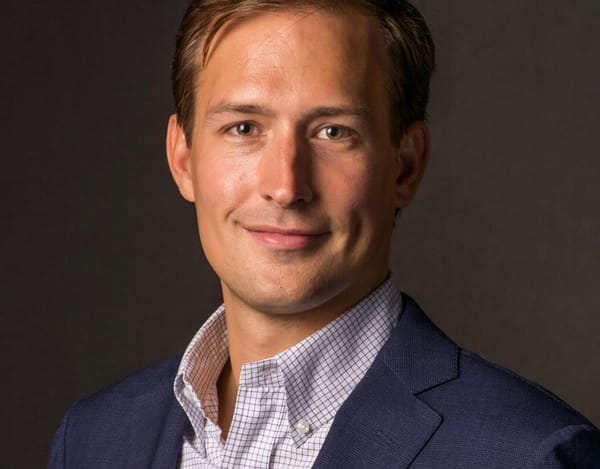
 Michael Wallace
The Universal Service Fund, which has supported connectivity for nearly 30 years, faces sustainability challenges as revenue from phone bills shrinks while costs rise. The Supreme Court recently upheld the fund's constitutionality, but questions remain about its long-term viability.
Michael Wallace, Associate Director at the University of Arkansas Medical Sciences, described his institution's telemedicine network serving 554 sites across the state. The system provides critical stroke care and other emergency services to rural areas.
"You're about 15 to 30 minutes away from a rural hospital should you ever have a stroke," Wallace said, explaining the network's door-to-needle protocol that connects rural patients with neurologists available 24/7.
The Rural Healthcare Program reached its funding cap this year, requiring unused funds from prior years to cover current needs, Wallace noted.
Libraries face particularly acute challenges following the FCC's decision to strike down E-Rate support for hotspot lending programs. Anne Slaughter, Director of Technology Services at Rails, which serves libraries across Illinois, said the change came less than a year after libraries secured that funding.
"The extremely disappointing strike down of support for library hotspot lending reopened some gaps that had just been bridged," Slaughter said. "That's on the heels of the cancellation of the Digital Equity Act."
Slaughter emphasized libraries' role as community anchors, noting they serve vulnerable populations regardless of background while maintaining strict confidentiality. "Libraries [are the] connective tissue in just about any digital equity ecosystem," she said.
Roger Zambrano, Director of IT at the Los Angeles County Office of Education, which serves 80 school districts, described creative partnerships to maintain services amid funding uncertainty.
"Schools are typically seen as trust institutions," Zambrano said. "It is a place that people or families tend to naturally gravitate to in terms of trusting them."
Without predictable funding, schools delay equipment upgrades, potentially creating cybersecurity vulnerabilities, Zambrano warned.
The panel agreed that cybersecurity needs are growing. The FCC's $200 million cybersecurity pilot program represents progress, but experts say anchor institutions need sustained funding to protect against increasing threats.
Wender's coalition recently submitted 26 pages of comments to a congressional working group reviewing USF sustainability. He emphasized bipartisan support exists for these essential programs.
The Anchor Nets conference, scheduled for Oct. 29-31 in Arlington, Virginia, will bring together practitioners to share strategies for closing the digital divide.





Member discussion