
Anchorage Blocks New Data Centers in ‘Residential Zones’
The ordinance adopts a new land use policy and environmental disclosure requirements for data centers.

WASHINGTON, April 10, 2026 - As community concern around data centers is beginning to reach a fever pitch, some cities are attempting to get ahead of the curve.
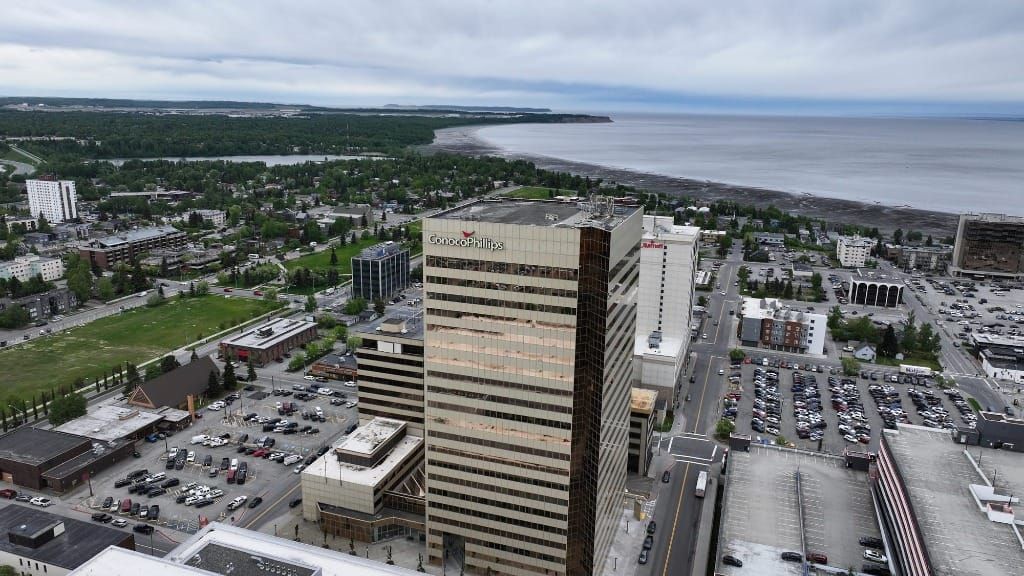
Anchorage’s City Council passed on a 10-2 vote a city ordinance that defined for the first time land use policy specifically for data centers within its city limits. The city banned new data centers in "residential zones."
The ordinance attempts to preempt the surge in data center construction anticipated for Alaska due to its cooler climate. Anchorage currently has one colocation data center within its boundaries, according to the law group Davis, Wright Tremaine.

“[Data center] projects often bring significant community impacts, from operational noise to very high demand on public water, wastewater and electrical utilities,” said Anna Brawly, the Anchorage assembly vice chair and co-author of the legislation. “This ordinance invites a proactive dialogue to decide the conditions in which a proposed data center is compatible with our existing public processes [to] mitigate anticipated impacts."
The ordinance requires data centers to be limited to commercial and industrial zoned districts while also requiring a public review process, and input from local utilities before a project can be approved according to the law, among other things.
The Alaska Center, a nonprofit organization that advocates for clean air and water in the state, posted a study that argued for data center proposals to clearly articulate how much water will be drawn for use, in addition to other potential impacts on the environment. Water and energy capacity disclosure requirements were included in the language of this ordinance.
Data center construction has seen significant pushback from community members around the country. Voters in Festus, Missouri ousted every city council member who supported a data center buildout in their municipal election on Tuesday, flipping half of the incumbents to new members.
In Port Washington, Wisconsin, voters passed a data center referendum, restricting construction of future data centers. Reporting by Politico has also highlighted three other communities that plan to vote on similar referendums around the country.
Data center ire also drove a shooter to fire bullets at a city council member’s home who voted to support a data center zoning measure in Indianapolis, Indiana, similar to this one supported by the members in Alaska.
“Amid concerns about Railbelt energy shortages and rising utility costs, it's exciting to imagine the potential economic benefits innovative projects could create for Alaska," said Anchorage Assembly Member Daniel Volland, co-sponsor of the ordinance, in a statement. “Those benefits don't come without a cost to our community. Now is the time to establish a proactive regulatory framework that balances public interests with evolving industry needs."
[The Railbelt is an interconnected electrical grid and geographical region in Alaska stretching from Fairbanks to the Kenai Peninsula, providing power to approximately 75–80% of the state's population. It is named for its alignment with the Alaska Railroad corridor.]







Member discussion