Funding
Philanthropic Collaborative to Support Broadband Investments
The Digital Equity and Opportunity Initiative will support state coalitions that work to support digital equity projects.

Former Assistant Editor Teralyn Whipple studied marketing at Brigham Young University. She has reported extensively on broadband infrastructure, investments and deployment.

Funding
The Digital Equity and Opportunity Initiative will support state coalitions that work to support digital equity projects.
Infrastructure
Key solutions addressing permitting for clean energy projects include interagency coordination and hiring more people.
Infrastructure
Texas is the highest awarded state, as 19 states set to receive more than $1 billion from BEAD.
FCC
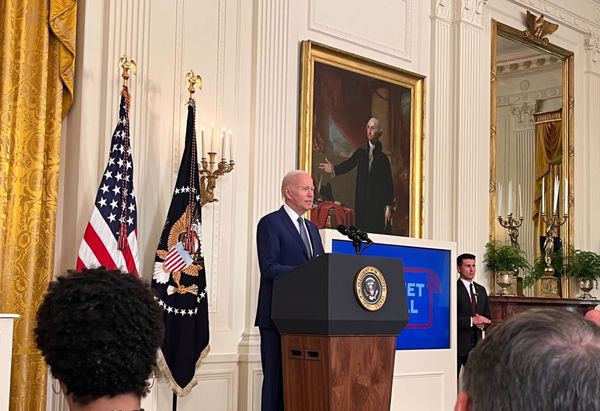
Tuesday’s Made-in-America Summit will be headlined by reactions to BEAD allocations.
Infrastructure
State broadband officers are prepared to leverage BEAD money to connect all Americans to the internet.
FCC
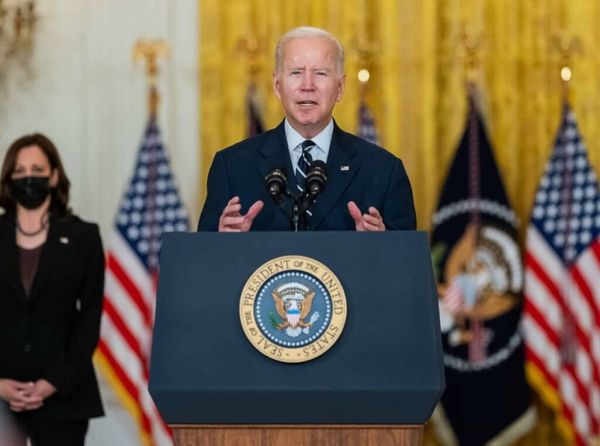
Prior announcement date of BEAD allocation funds now set for White House ceremony on Monday, June 26.
Chips
Now available for material and manufacturing equipment facility projects.

Broadband Mapping and Data
An assortment of data will be useful in all phases of the broadband planning process.
Justice Department
The new cyber section will serve as a resource to respond to highly technical cyber threats.
Broadband Live
BEAD program awards are expected to have a smaller matching funds total than the middle mile awards.
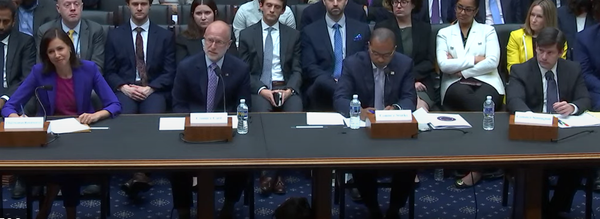
Energy and Commerce
The FCC has moved forward in critical objectives, reported commissioners at oversight hearing.

Commerce
More than just access, new technology users also need help navigating software applications.
Fiber
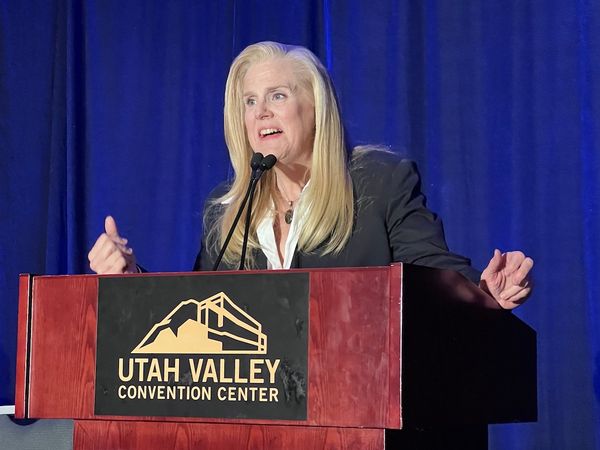
The state’s unique fiber sharing model makes all the difference for middle mile builds, say Utahns.
FCC
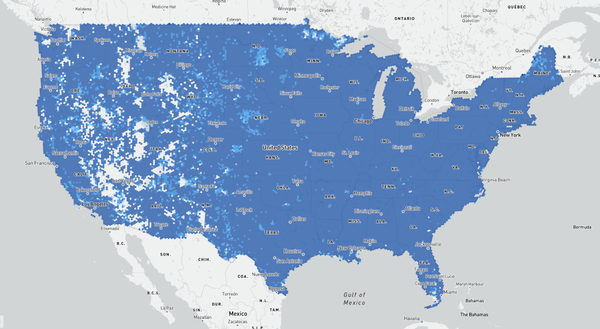
There are ‘locations where we know it is not possible to receive that level of service,’ said Maine’s broadband authority.
Infrastructure
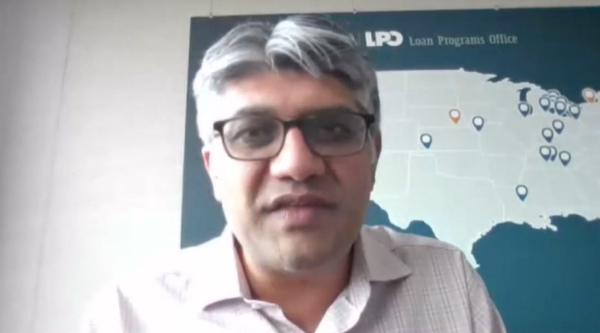
Private investments need to support federal money going to infrastructure projects across the United States.
FCC
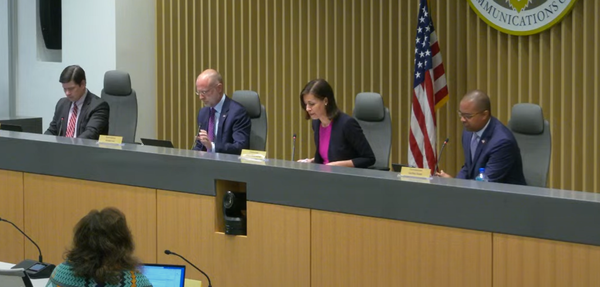
Proposed rules will consider how the band might be made available through non-exclusive spectrum access models.