
Broadband Breakfast on January 28, 2026 - The 1996 Telecom Act Turns 30
What are the lasting impacts of the 1996 Telecommunications Act?


Highlights Reel:
Full Video:
Can't see the video? Join the Breakfast Club to watch
As the Telecommunications Act of 1996 approaches its 30th anniversary on February 8, 2026, this special commemorative Broadband Breakfast Live Online event will explore how a landmark piece of legislation reshaped the communications landscape. And, what does it mean today? Speakers will also discuss the lasting policy lessons from the Act and what its legacy suggests for updating communications policy in an era of AI and digital infrastructure investment everywhere.
 Broadband Breakfast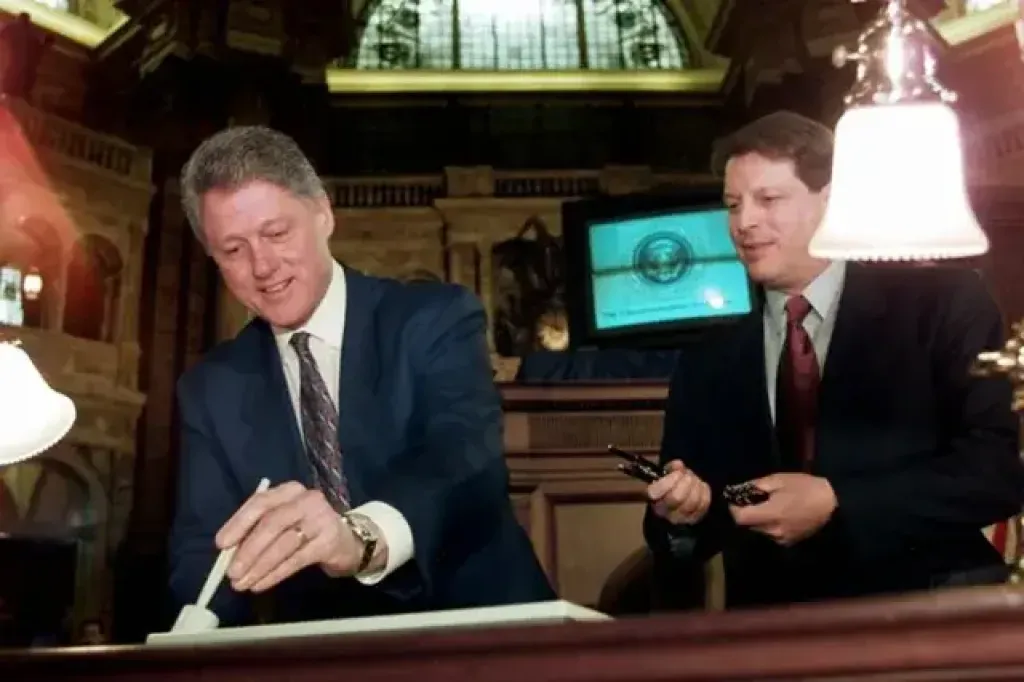
Panelists
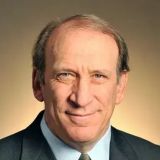
- Blair Levin, Nonresident Senior Fellow, The Brookings Institution
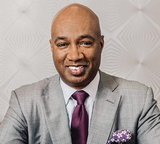
- Larry Irving, President and CEO, The Irving Group
- Randolph May, President, Free State Foundation
- John Windhausen Jr., Founder, Telepoly
- Drew Clark (moderator), CEO and Publisher, Broadband Breakfast
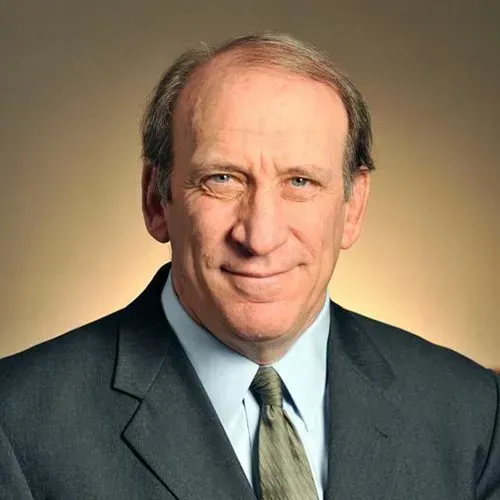
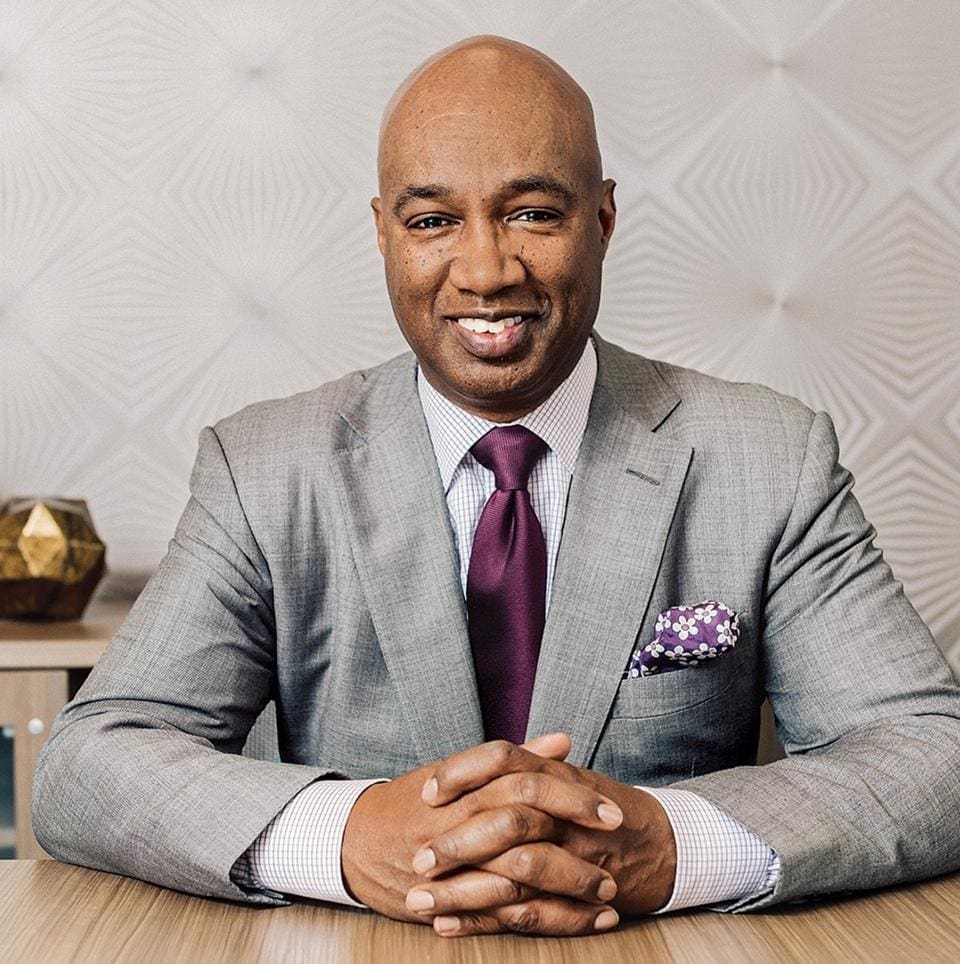

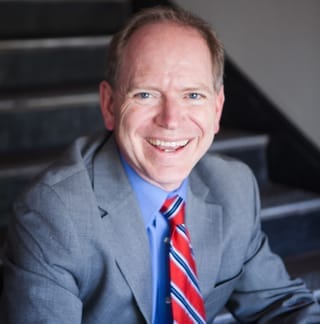
Blair Levin is a nonresident senior fellow at Brookings Metro. Levin serves as a policy analyst with New Street Research, an equity research firm focused on telecommunications and technology. Levin has also been involved in a number efforts to broaden broadband’s reach and effectiveness, including serving as the Executive Director of Gig.U: The Next Generation Network Innovation Project, an initiative of three dozen leading research university communities seeking to support educational and economic development by accelerating the deployment of next generation networks, leading the writing of a report for the World Bank and United Nations High Commission on Refugees on broadband for refugees, and most recently, working with the National Urban League to write the Lewis Latimer Plan for Digital Equity and Inclusion.
Larry Irving is president and CEO of the Irving Group, a Washington, D.C.-based consulting firm he founded in 1999 that provides strategic advice to international telecommunications and technology companies, foundations, and non-profit organizations. Prior to launching his firm, Irving served nearly seven years as Assistant Secretary of Commerce for Communications and Information under President Clinton, where he was a principal architect of the administration's telecommunications and internet policies. Irving is widely credited with coining the term "digital divide" and was inducted into the Internet Hall of Fame in 2019 for his pioneering efforts advocating for equitable internet access.
Led by Randolph J. May, FSF’s President, the scholars of The Free State Foundation have decades of experience in the public policy arena and academic settings promoting free markets, secure property rights, and individual liberty. Mr. May is a nationally known legal and policy expert in the field of regulation, as well as a widely recognized expert in communications, administrative, and constitutional law. FSF’s scholars combine solid academic expertise with professional and practical experience in a way that makes their research especially impactful in influencing policy.
John Windhausen, Jr. is the founder of Telepoly, an online portal of information and analysis of broadband policy issues. He is the former Executive Director of the Schools, Health & Libraries Broadband (SHLB) Coalition a public interest advocacy organization based in Washington DC. He founded SHLB in 2009 and stepped down in April 2025. Mr. Windhausen was formerly the president of a telecommunications trade association and served as General Counsel of a public interest group called the Competition Policy Institute. Before that, he served for nine years as staff counsel for the U. S. Senate Commerce Committee (led by Senator Ernest Fritz Hollings and Senator Daniel Inouye), where he participated in drafting the Telecommunications Act of 1996. He began his career as a staff attorney at the Federal Communications Commission in 1984. He has a B.A. from Yale University and a J.D. from the UCLA School of Law.
Breakfast Media CEO Drew Clark has led the Broadband Breakfast community since 2008. An early proponent of better broadband, better lives, he initially founded the Broadband Census crowdsourcing tool to collect and verify broadband data left unpublished by the Federal Communications Commission. As CEO and Publisher, Clark presides over the leading media community advocating for higher-capacity internet everywhere through topical, timely and intelligent coverage. Clark also served as head of the Partnership for a Connected Illinois, a state broadband initiative.





Member discussion