Calix Invested $2B to Build AI Platform Now Serving 1,200 Broadband Providers

Calix Invested $2B to Build AI Platform Now Serving 1,200 Broadband Providers, said CEO Michael Weening


Calix Invested $2B to Build AI Platform Now Serving 1,200 Broadband Providers
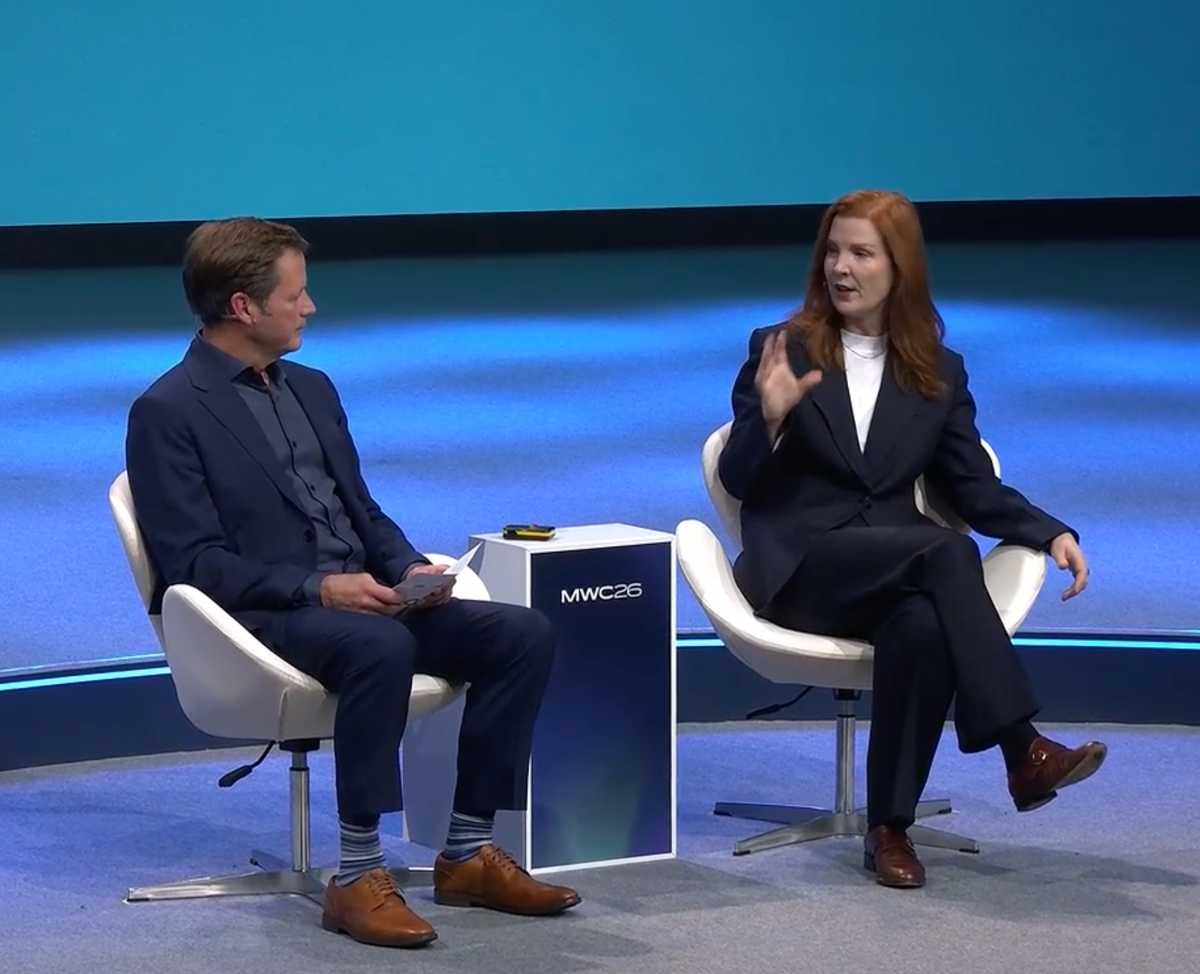
Photo of Calix CEO Michael Weening (left) and USC Research Professor Kate Crawford at Mobile World Congress in Barcelona, Tuesday, March 3, 2026

BARCELONA, Spain, March 4, 2026 —  Telecom software and equipment provider Calix said Tuesday it had invested $2 billion since November 2023 rebuilding its cloud platform around artificial intelligence agents and has migrated roughly 1,200 broadband providers to the new infrastructure.

The San Jose, Calif.-based company said the platform coordinates automated software agents that monitor subscriber behavior, analyze network performance and trigger targeted marketing actions across provider systems.

Agent-driven workflows in practice

Speaking at Mobile World Congress, Calix Chief Executive Michael Weening said the company’s platform uses software agents to analyze network performance, identify potential service upgrades and generate targeted offers for subscribers.

The agents can detect issues such as declining home Wi-Fi performance, identify opportunities to add services like outdoor Wi-Fi equipment or additional mobile lines, and deliver personalized offers through digital channels such as provider apps.

Weening said interactions of that type could add $500 to $700 in lifetime subscriber value per engagement, which could translate into billions of dollars in incremental revenue opportunities for broadband providers deploying the system at scale.

“We still market broadband the same way we did 20 years ago - speed and price,” Weening said. “AI allows us to understand the individual subscriber context.”

AI platform rebuild

Calix said the platform migration — which is nearing completion — moves provider customers from a legacy cloud environment to a Google-based architecture designed to support agent-driven applications.

The company said about 1,200 broadband providers have already been moved to the new infrastructure.

The company has also tested the technology internally. Calix employees proposed more than 700 potential AI applications across company workflows, with 40 to 50 projects selected for enterprise deployment.

Avoiding the threat of job loss

Weening said the company framed its AI rollout around revenue growth rather than workforce reduction.

Instead of using automation primarily to cut jobs, Calix asked employees who understand operational workflows to identify where AI could improve customer engagement and internal processes.

The goal, he said, is to increase the company’s top line without requiring proportional increases in headcount, using automation to expand what existing teams can do.

“We asked employees who understand the workflows and trusted points in the system to help map how AI should be deployed,” he said.

Member discussion

Popular Tags