Colorado BEAD Plan Rolls the Dice on Amazon's Project Kuiper
Colorado's results were the best showing yet for LEO satellite based on proposals released so far by Louisiana, Virginia, and West Virginia.

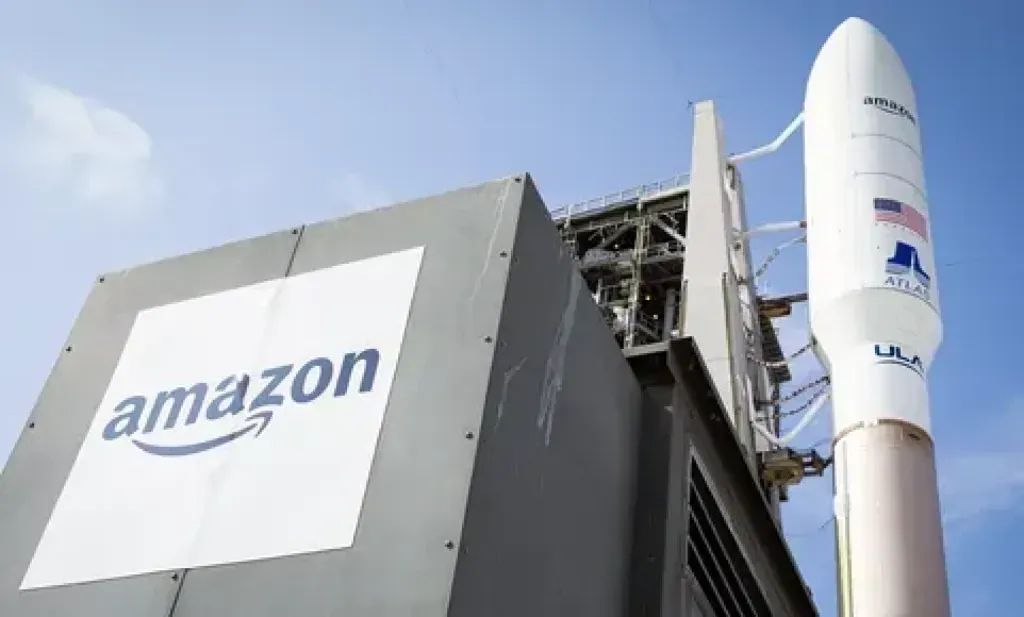
BEAD: Satellite Internet providers emerged as the big winners in Colorado’s revised broadband expansion plan released Friday by the state’s Broadband Office. The results were the best showing yet for low Earth orbit (LEO) satellite Internet technology based on the BEAD final proposals released so far by other states, including Louisiana, Virginia, and West Virginia. Amazon’s Project Kuiper and SpaceX’s Starlink were tentatively awarded about half of the roughly 90,000 homes and buildings with either no service or speeds below 100/20 megabits per second.
 Broadband Breakfast
Fiber providers captured 48% of the locations, while fixed wireless accounted for 2%. Colorado awarded $25.3 million to Project Kuiper to serve 42,252 locations – about 47% of all locations – at about $600 per location, while Starlink received $9.1 million to serve 5,400 locations – about 6% of all locations – at about $1,700 per location. Because fiber deployment come with high per-locations costs, Colorado awarded 91% of its BEAD funds to fiber Internet Service Providers (ISPs). (More after paywall.)