FCC’s Gomez Says 1996 Telecom Act was the Country’s Last Big Tech Law — and it’s Still Shaping the Internet Age
FCC Chairman Brendan Carr said the work the Telecom Act started is not yet done.

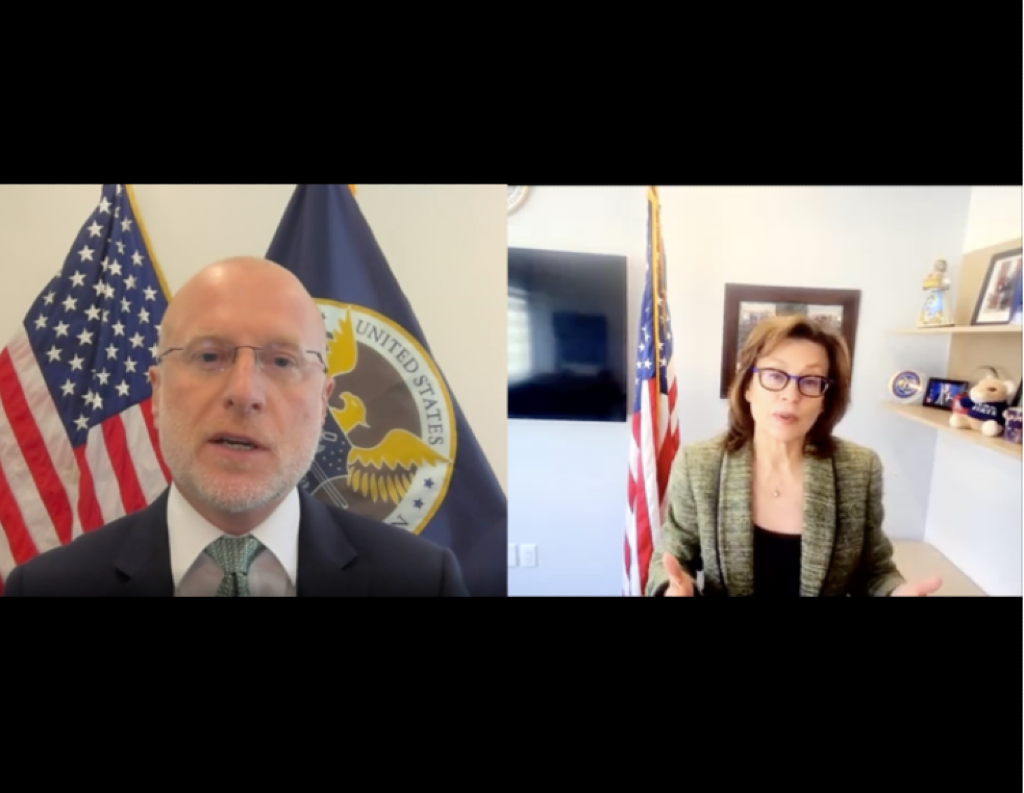

FCC Chairman Brendan Carr said the work the Telecom Act started is not yet done.
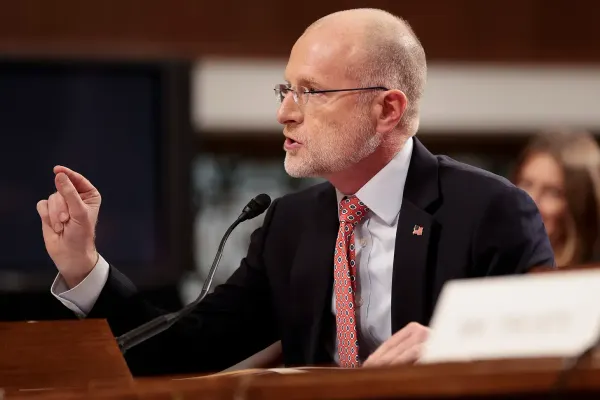
Some polls are ‘designed to do nothing more than interfere with the regular functioning of the electoral process and alter the normal patterns of voter turnout and enthusiasm,’ Carr says
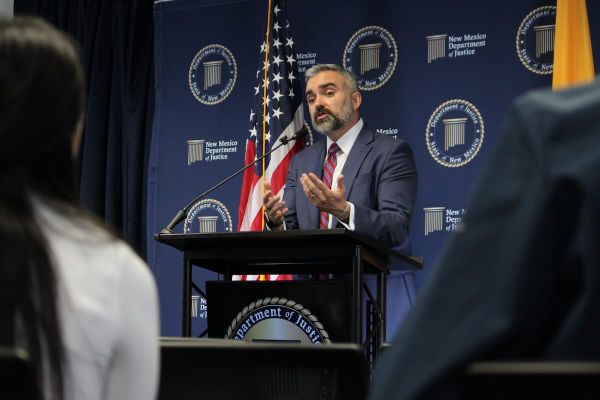
State District Court Judge Francis J. Mathew said in Wednesday's ruling that Facebook’s conduct was intentional
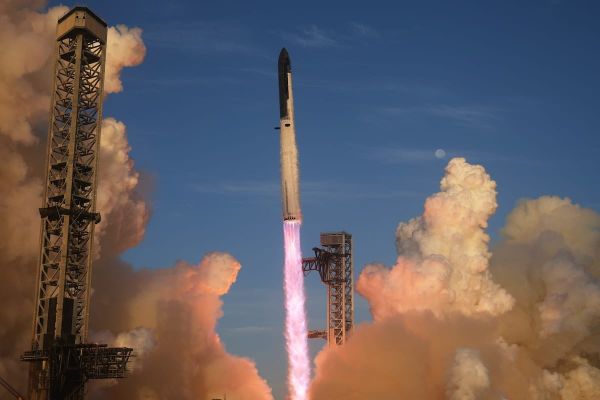
Musk has also drawn criticism from politicians after speeds for a military version of SpaceX’s satellite communications service were slowed

Lawmaker wants federal agencies to hide website names from people monitoring internet traffic