Bottlenecks Slowing BEAD: Permits, Locates, Labor, and Materials
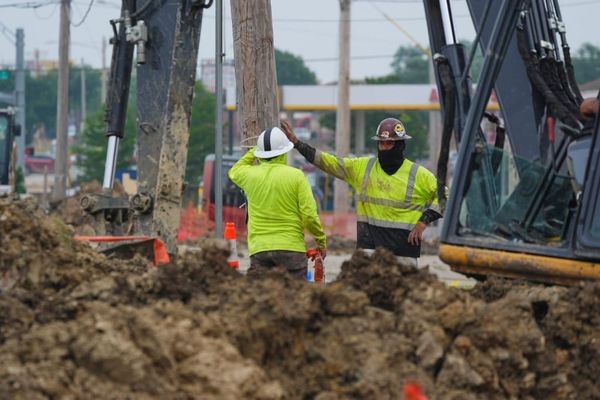
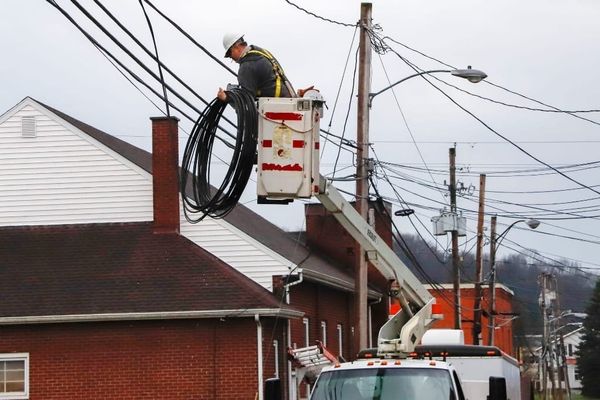
Fiber construction workers are increasingly being recruited by data center developers, tightening an already scarce labor pool.

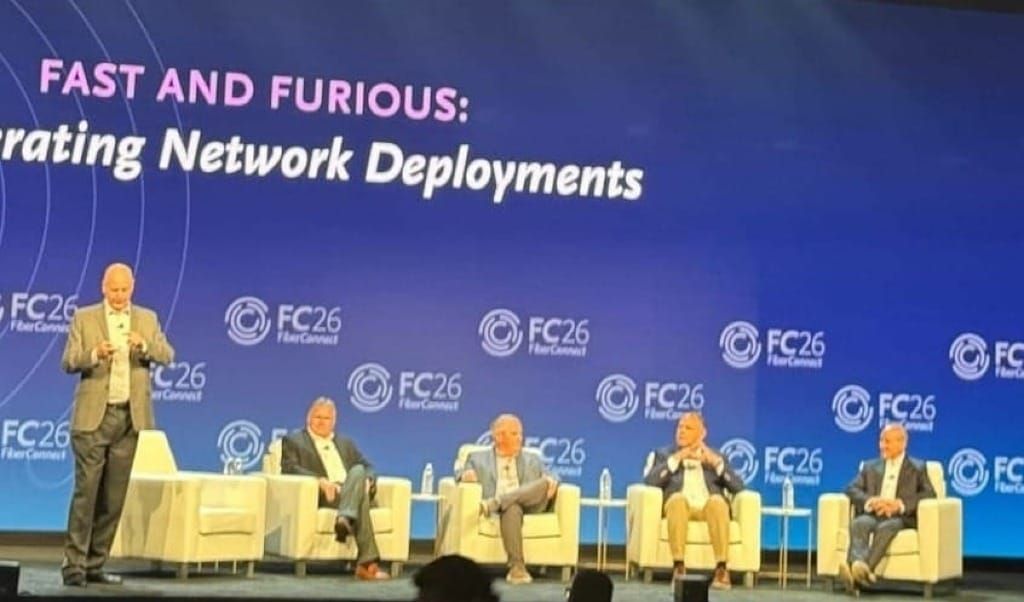
ORLANDO, May 21, 2026 — Fiber broadband operators building out networks under federal funding programs said Tuesday that permitting backlogs, locating failures, and rising material costs are adding cost and time to BEAD construction timelines, with margins thin and every dollar of construction spent under scrutiny.
 Broadband Breakfast
Two federal broadband programs: BEAD and RDOF
Two federal broadband programs are driving an unprecedented volume of simultaneous permit submissions that has outpaced agency capacity, said Bo Gresham, chief revenue officer at Dycom Industries, the Florida-based telecommunications specialty contractor.
The programs are BEAD, the $42.5 billion Broadband Equity, Access, and Deployment program, and RDOF, the Rural Digital Opportunity Fund, which awarded roughly $9 billion to providers in 2020.
The solution to the backlog, Gresham said, is getting six to twelve months ahead of construction. Arriving at permitting offices with visual materials showing exactly what the build will look like, where it will go, and how deep it will run reduces the likelihood of delays, he said.
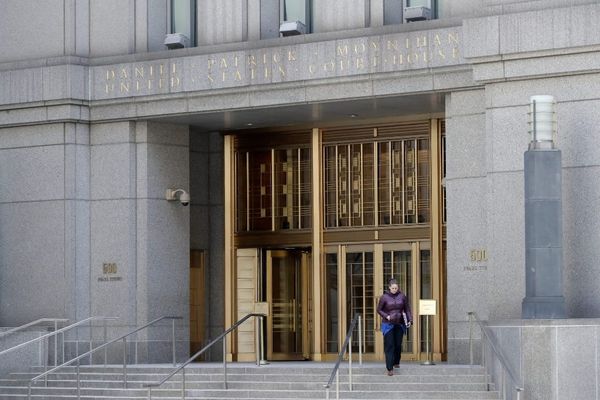
Tommy Taylor, chief technology officer at Ohio-based fiber provider Buckeye Broadband, said his team pre-drafts 100 percent of permit documents before construction begins and secures one-year blanket permits. When a new area opens, the paperwork is ready to execute.
Locates
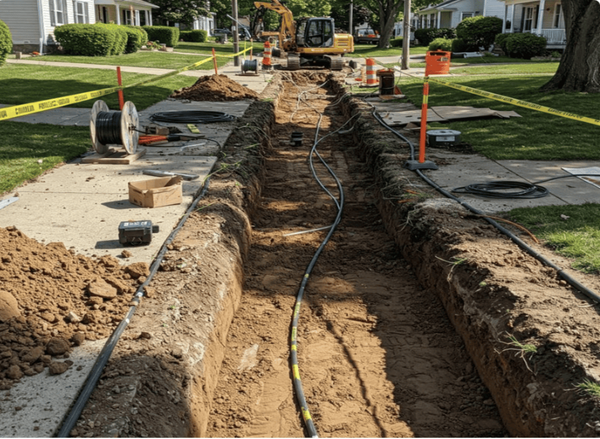
Locating underground utilities before digging presents a separate challenge. Many small water districts in rural Texas installed pipes years ago without tracer wire, which makes buried pipes detectable, said Mark Davis of rural broadband provider Highline Fiber.
Digital locates, in which crews identify underground infrastructure without leaving their trucks, compound the problem, Taylor said. Firms charge full price for the service even after having physically located the same infrastructure multiple times before.
Material costs
Material costs are pressing from another direction. Duct pricing, the cost of the plastic conduit that protects fiber cable underground, ran at roughly 25 cents per foot before the pandemic, spiked to 75 cents during it, and is now running at 45 to 50 cents, Davis said.
Workforce competition with data centers
The workforce picture compounds both problems. Fiber construction requires specialized skills in splicing, trenching, and aerial installation that take years to develop, and the same workers who build broadband networks are increasingly being recruited by data center developers offering higher wages, panelists said.
Gresham said the industry needs to be recruiting in high schools, making clear that fiber construction careers offer salaries comparable to electricians and plumbers without requiring a four-year degree.