Cybersecurity Framework Between Countries Key to Combatting Cyberattacks, Conference Hears
Countries can work together to solidify defenses against cyberattacks, a conference heard.


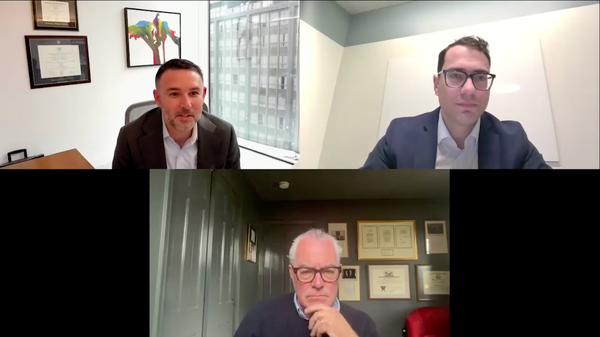
Jun 24, 2021—An agreement on policies between countries will be an important step toward mitigating cyberattacks, according to a panel of experts at a Stimson Center Webinar convened earlier this month.
Broader diplomatic efforts between countries, according to experts, is what will make sanctions more effective and deter cyberattacks, the conference heard.
The comments come as the United States deals with the fallout of a number of cyberattacks on private companies. Software company SolarWinds and oil transport company Colonial Pipeline both succumbed to cyberattacks, the latter occurred shortly before President Joe Biden introduced a cybersecurity executive order that will establish a review board of private and public sector employees to analyze attacks.
The Stimson panel said it is up to governments and military agencies to work together to ensure their cyber defenses are resilient.
This is already being done in the European Union, as it works on stronger directives that give guidelines to the individual member states that need help protecting their cyber systems. Like climate, cyberattacks won’t stop at borders, but instead will spread further if defense mechanisms don’t happen inside the borders, the conference heard.
A framework between states is, therefore, needed to build the capacity required not only to combat existing cyberattacks but deter future ones as well, the conference heard.
Based on tentative results, about 65% of BEAD locations are in line for fiber. Another 22% will get satellite, and 10% will get fixed wireless.
CAR says the 39% Cap is stifling free markets and failing to check the power of Big Tech and Big Hollywood
The commercial boom in AI has sparked interest in humanoid robots. Around 50 companies are investing heavily in humanoid development.
The change affects all foreign-owned satellite internet providers that operate in South Africa.
Member discussion