Dish Creditors Should Get Discovery, Judge Says
The next hearing in the bankruptcy case is July 23

WASHINGTON, July 10, 2026 – Part of Dish Wireless’s bankruptcy case is being pushed back again amid opposition from tower companies and other former business partners.
A U.S. bankruptcy judge on Wednesday said those parties and other creditors should have the chance to conduct discovery before he clears procedures for auctioning Dish’s assets and other motions. That will now be considered at a July 23 hearing.
“I do think if somebody wants a deposition in connection with an emergency hearing, you’ve got to get it,” U.S. Bankruptcy Judge Christopher Lopez said.
He said both sides should “start talking now” about discovery and other issues.
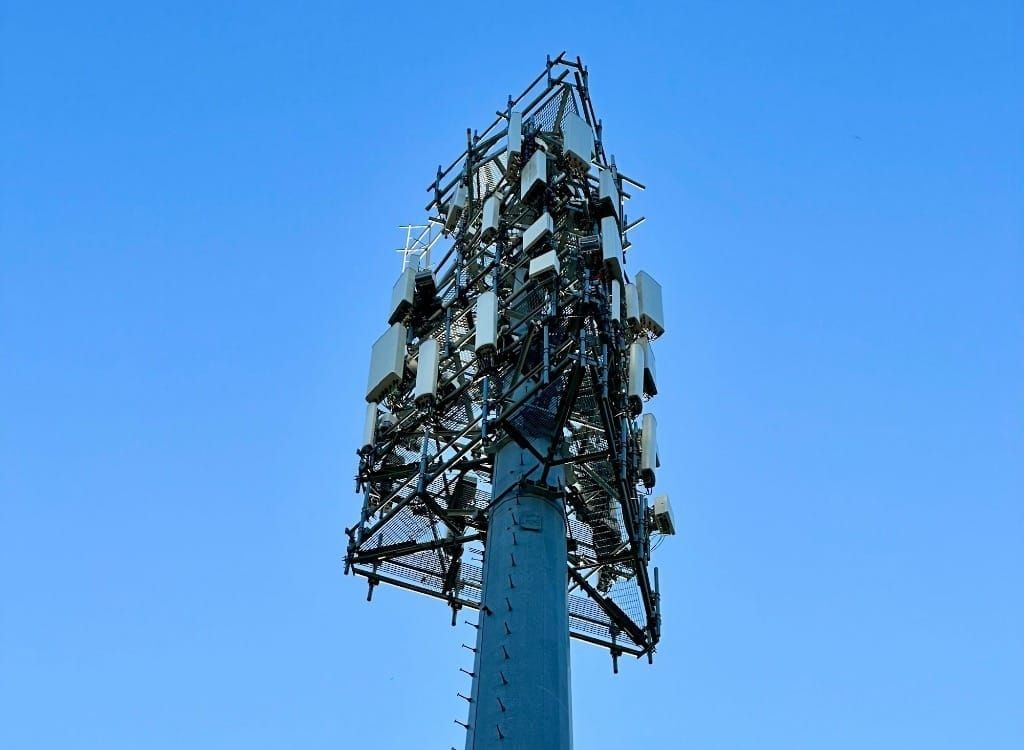
Major tower companies Crown Castle, American Tower, and SBA Communications have been urging Lopez not to proceed quickly in the case. They and more than 160 others are suing Dish over what they say are improperly breached contracts, and they fear losing out on billions in potential damages.
Brian Herman, an attorney representing Crown Castle, said at the hearing Wednesday the company feared being forced to choose between trying to recover its claim against Dish’s estate or from a trust the Federal Communications Commission required EchoStar, Dish’s parent company, to stand up.
Crown Castle is seeking $3.5 billion from Dish, the largest claim of its former business partners.
The FCC trust will contain $2.4 billion, and will be targeted by other smaller companies claiming breach of contract. Meanwhile, under Dish’s plan companies with similar claims to Crown Castle could receive 1.4 to 2.2 cents on the dollar from the estate.
It’s not clear which of those is the better option right now, Herman said.
“How am I going to make that decision until I know what the estate actually has?” he said. “Crown Castle could get severely screwed if this process moves too quickly.”
Ivan Gold, who’s representing landlords with similar lease claims, said the same. The trust is designed to serve companies with smaller claims, but he said it still wasn’t clear to him which route to go.
“My group of creditors, I don’t know how to advise them as to which one to pick,” he said. “I don’t think we have enough on the plate to make that decision yet.”
EchoStar would set the floor for bidding on Dish Wireless's network assets under the company's plan. Some analysts have speculated SpaceX or Charter might be interested in scooping up a national wireless natwork on the cheap.
Lawyers for other companies, including Charter and Comcast, also urged Lopez to move slowly. Dish Wireless’s bankruptcy was filed along with Dish DBS, EchoStar’s pay-TV unit, and Crown Castle and others want the two split apart.
They say Dish Wireless wasn’t part of a longstanding restructuring agreement with DBS’s creditors until recently, and thus it shouldn’t move on the same accelerated timeline.
Dish Wireless's network assets were brought under DBS before the bankruptcy filing, but its Boost Mobile operations were kept separate, a move the tower companies object to. EchoStar is now seeking FCC approval of that already complete transfer.
Dish Wireless attorney Matt Linder said Wednesday said the company wanted “to allow the Dish Wireless debtors, who are on the clock in terms of their liquidity, to start taking the steps they need to move toward confirmation.”
Dish Wireless and EchoStar are arguing Dish doesn’t owe the tower companies anything. They say EchoStar’s $42.6 billion spectrum sales last year were forced by the FCC, and that Dish isn‘t entitled to the proceeds.
That would leave Dish Wireless unable to pay its bills through no fault of its own, and thus able to exit its leases and contracts, the companies argue. That argument will now be litigated as part of the bankruptcy.