Experts Emphasize Community Involvement in Data Center Decisions
To continue data center expansions, developers need to work with local communities, panelists say.

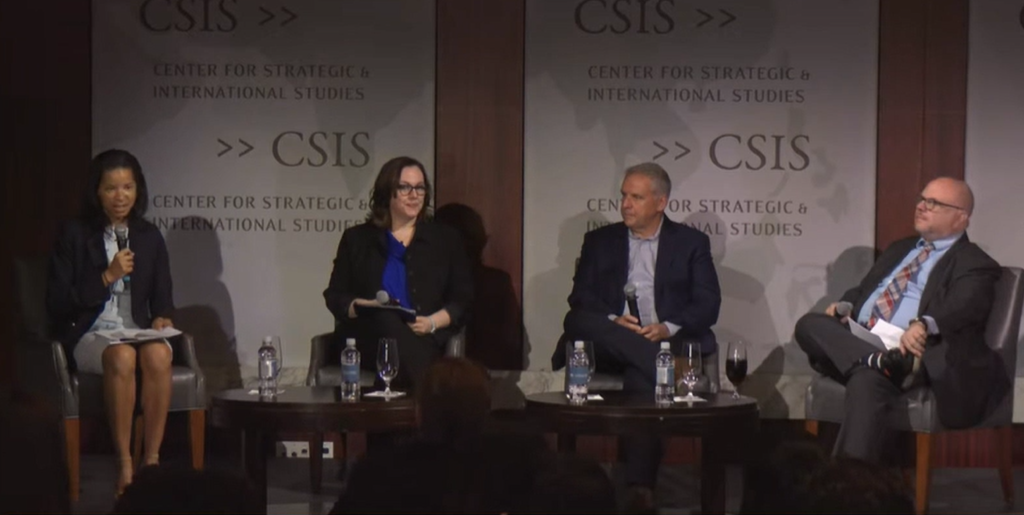
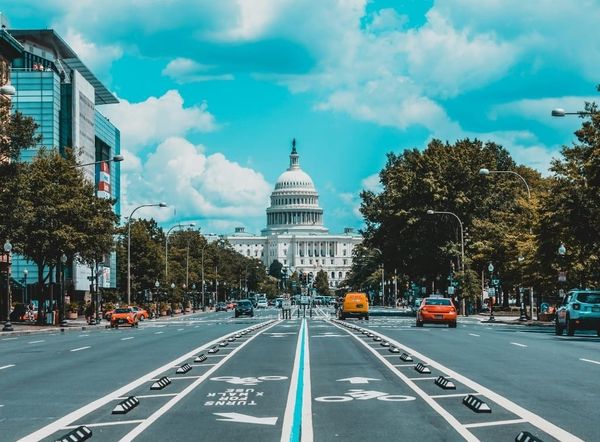
WASHINGTON, June 25, 2026 – Experts emphasized the need for data center developers to partner with communities in a Center for Strategic and International Studies event on Thursday.
As the demand for artificial intelligence increases, data centers have become crucial to keep up with the computing power necessary to expand the capabilities of AI. The U.S. is currently a global leader in the AI race, with half of the world’s data centers being in the country. However, more data centers are required to expand the technology and remain a leader in AI.

“We cannot remain competitive in AI if we lose this physical infrastructure race,” CSIS director of strategic technologies Matt Pearl said. He explained that whoever can harness computing power can unlock more technological possibilities. Computing power is the key to unlocking economic growth, scientific discoveries and military supremacy.
However, there have been pushbacks in areas where data centers are being constructed because of the impact that they can have on communities. Community opposition to data centers has surged to record levels in 2026, blocking or delaying at least 75 projects that are worth about $130 billion.
Loudon County Executive Director of Economic Development, Buddy Rizer, explained that the federal government should play a role in the energy strategy and power. However, these data center projects need to be implemented and regulated on a local level to make them work.
“Communities have to have the right to make sure it is right for them and implemented well for them,” Rizer explained. He emphasized the shift needs to move from when and where to why and how.
One challenge developers face is that small locales are not equipped to handle data centers. In these communities, planners and builders are not used to the multi-billion-dollar facilities, so they are overwhelmed.
President of Mission Critical at Suffolk Construction, Charles McCarthy, said, “we have to help some of these small communities. That’s something where the federal government could help.”
Currently, AI is a relatively unregulated industry, so companies need to act with integrity and transparency. Rebecca Darling, director of community affairs and partnerships at Coreweave, said, “We need to show up transparently and work with communities, not show up and tell them what we want to do, but ask them what fits.”
CSIS is a Washington, D.C.-based think tank that studies policy and provides analysis on economic, political and security issues.