
Experts Say $21 Billion Remaining BEAD Funds at Risk of Going Unused
Industry leaders push for faster distribution to avoid defaults, delays, and efforts to close the digital divide

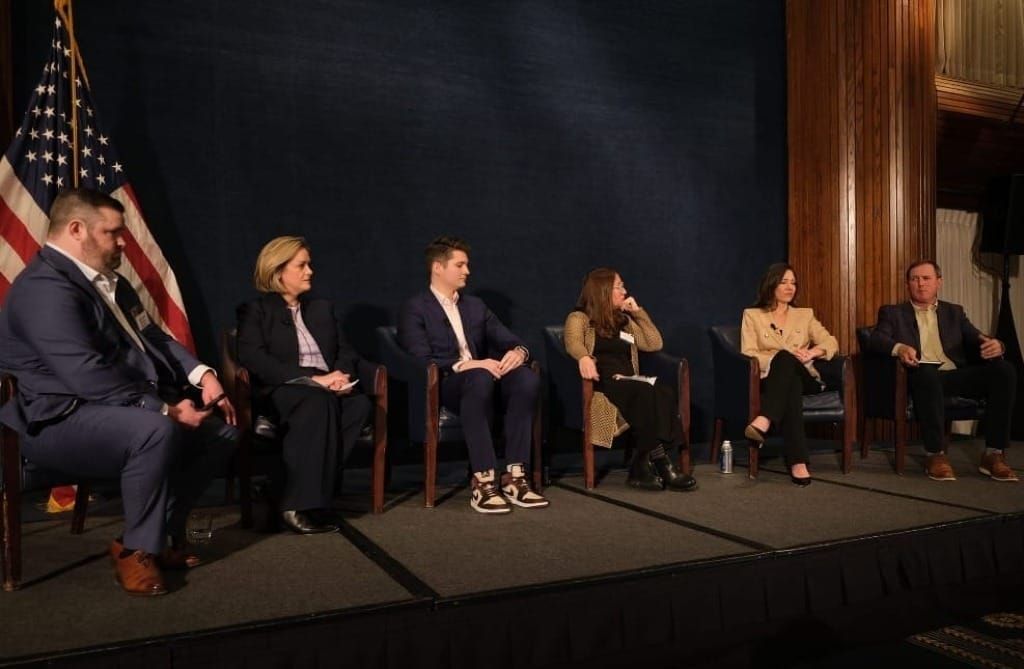
WASHINGTON, March 19, 2026 – Experts say the federal government needs to release the Broadband Equity, Access and Deployment program’s $21 billion in remaining funds before time runs out.
Five panelists shared their insights with Moderator Jimm Phillips at the 2026 BEAD Implementation Summit on Wednesday.
Comcast State Government Affairs Vice President Lyndsay Moyer said funds that take too long to be distributed often fall to default, which must be prevented to ensure states can use these funds as “Congressionally intended to close the access gap once and for all,” she noted.

“If we don’t look at history, we’re doomed to repeat it,” Moyer said. “It is a critical moment in time to take a look too at over the past 20 years and say, ‘Have we been experiencing a Groundhog Day where Congress has set money aside for an intended purpose and then before that that job is complete, that money is taken and repurposed for other interests?’”
Moyer emphasized the need to “learn from the past programs that have not been able to accomplish this goal,” and set clear guardrails and expectations around BEAD non-deployment funds to ensure success.
Moyer also said there are many “unforeseen barriers” when it comes to BEAD, including financial and site visit complications. Nondeployment funds should be focused on connecting rural communities, and these complexities could lead to delayed timelines or defaulted funds.
Won’t get ubiquitous broadband without remaining funds
T-Mobile Policy Strategy Counsel Christian Hoefly said the original BEAD plans are working to close only “half of the digital divide” and won’t lead to ubiquitous broadband access without the rest of the $21 billion non-deployment funds.
“We believe that we should use part of the reserve fund to finally close the digital divide that we’re promising to Americans,” Hoefly said. “We need to give the money and empower the states to make the decision of how they use the remaining funds to close the digital divide in their states.”
Hoefly noted that there are many needs the funds could be used for, including mobile infrastructure, artificial intelligence innovation, 6G and public safety and emergency response.
The Pew Charitable Trusts’ Broadband Access Initiative Project Director Kathryn de Wit added other use cases, including digital skills outreach, serving new locations, workforce deployment, and permitting, which she said are all efforts that would narrow the digital divide and help states meet their four-year construction deadlines.
De Witt said non-deployment funds come down to four points: Definitive guidelines, timeliness in releasing guidelines, flexibility for deployment, and clear reporting requirements. She noted that these guardrails need to be released so states can start planning for fund distribution, and that each state is unique in geography, market structures and needs, making flexibility essential.
“Oftentimes folks hear the word flexibility and they immediately go to something like a slush fund. That’s not what flexibility means,” de Witt said. “By offering flexibility within defined guardrails, you’re developing a more market responsive solution that states are able to implement to meet their local needs.”
Recent debate over non-deployment dollars have also surrounded the immeasurability of the non-deployment fund outcomes, which Annmarie Lanesey, CanCode Communities CEO, attempted to refute. Lanesey said this is a common misconception, because CanCode Communities has been measuring it by tracking wage growth, with other organizations doing the same. She said this misconception should not prevent the distribution of funds.
ConnectLA Former Deputy Director Thomas Tyler said “the current administration likes to move fast,” and states will need to move just as quickly in drafting plans and distributing the non-deployment dollars. According to Lanesey, states should lean on their government-approved digital adoption plans, which already includes roadmaps on how to deploy funding in an effective and purposeful way.
Hoefly said the process will take a lot of work and time, and is just the “start line of a marathon.” Once funds are deployed to states, it will then have to be deployed to providers building the networks, which is a long wait time for those expecting immediate results.
“The period of performance is four years,” Hoefly said. “So we’re going to be staring at a bucket of money that we could have used for purposes, and there are needs now.”
Correction: A previous version of this article mis-stated the amount of non-deployment funds available. It is $21 billion, not $21 million.
Clarification: A previous version of this article referred to T-Mobile Policy Strategy Counsel Christian Hoefly's comment about a four-year “period of performance.” Hoefly clarified that he was not referring broadly to delays in deploying BEAD funds, but specifically to concerns about holding remaining funds in a reserve fund for potential BEAD defaults. Doing that, he said, could delay the fund's use for up to four years despite immediate infrastructure needs.



Member discussion