FCC Approves Proposal on Unlicensed Spectrum for Direct-to-Device, Without 900 MHz
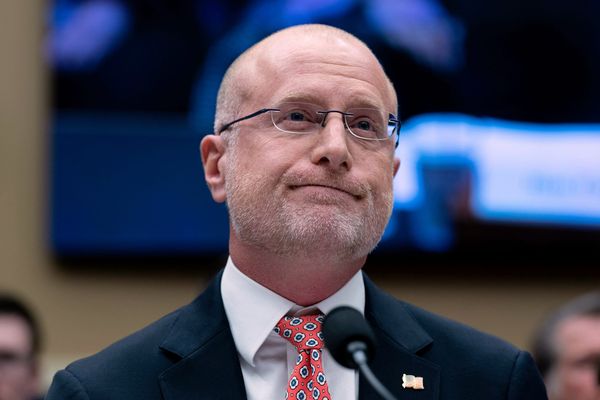
FCC Chairman Brendan Carr said the agency was working on ‘three big, new spectrum auctions’ for 2028

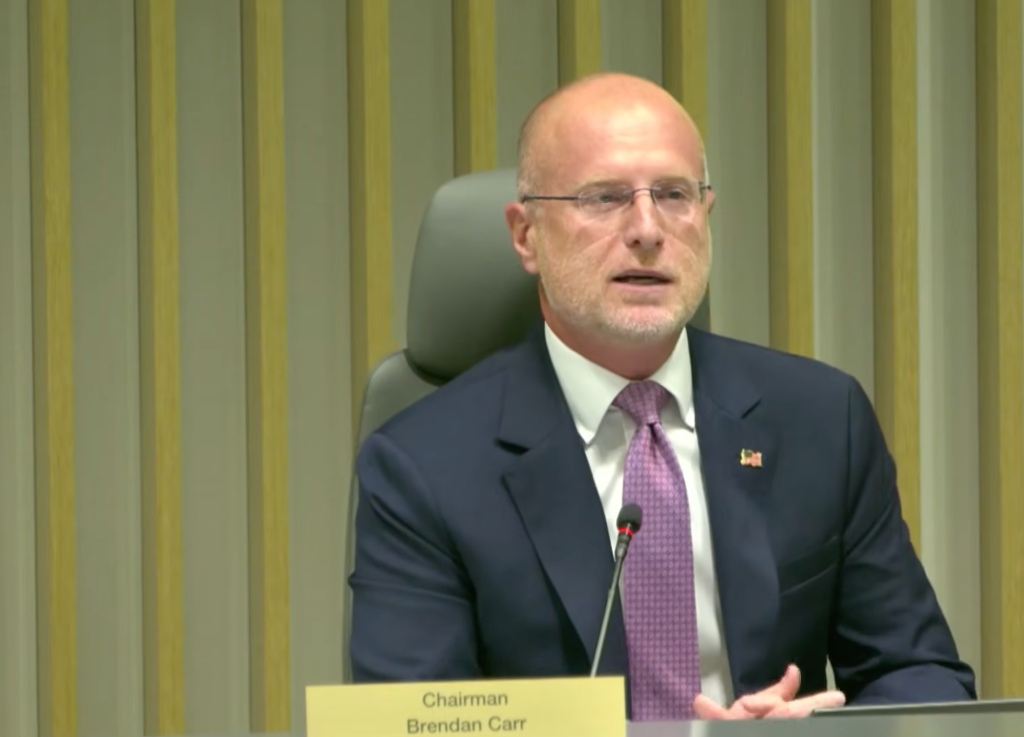
WASHINGTON, Aug. 6, 2026 – The Federal Communications Commission unanimously voted Thursday to seek comment on opening up unlicensed spectrum for direct-to-device satellite service.
The adopted proposal did not include questions about the 902-928 MegaHertz (MHz) band that were in the public draft of the item.
“It’s significantly more complex than the 2.5 GHz or 5.8 GHz. There’s multiple types of incumbent services with varying levels of protection that are there,” said Andrew Hendrickson, chief of the FCC’s office of engineering and technology. “Ultimately we decided not to consider it.”
After the public draft was released, geolocation company NextNav raised similar concerns with a top advisor to FCC Chairman Brendan Carr. The company uses priority licenses in the band, and noted a similar arrangement doesn’t exist in the other bands that would be considered.
Rural ISPs that used the band said they were also concerned about potential interference.
The adopted item would still seek input on the feasibility of allowing direct-to-device service in the 2400-2483.5 MHz and 5725-5850 MHz bands, used by many kinds of device for Wi-Fi and Bluetooth. ABout 200 megahertz in total will be considered, the agency said.
“These frequencies could yield more capacity to complement D2D services and encourage experimentation,” Carr said at the agency’s Thursday meeting. “Our inquiry today asks a lot of questions that are designed to ensure that these bands remain an American success story for existing and future services of all types.”

During a July webinar, technical experts said it could be difficult to make unlicensed spectrum work for direct-to-device outside of rural areas. Still, SpaceX supported the agency’s effort and asked it to go further.
SpaceX and other satellite operators have spent billions to acquire spectrum set aside for direct-to-device, a relatively scarce and now valuable resource. On the company’s first earnings call this week, SpaceX executives said they intended to compete with the mobile carriers, although analysts have been skeptical of the idea.
USF administration, Rural Healthcare
The FCC also advanced an item that will seek comment on ways to streamline the administration of the agency’s $8 billion-per-year Universal Service Fund.
USF is administered by the Universal Service Administrative Company (USAC), a nonprofit the FCC set up for the purpose.
The proposal the agency adopted, also unanimously, would ask about ways to reduce USAC’s overhead, increase its public reporting, and mitigate conflicts of interest on its board, among other things.
FCC Commissioner Olivia Trusty added edits from the public draft that will ask about additional oversight over USAC decision making and stakeholder outreach.
FCC Commissioner Anna Gomez secured edits that ask about training for auditors, bringing some USAC function within the FCC, and adding board members with experience managing federal funding. Currently the board is composed mostly of representatives from stakeholders that pay into and participate in the fund.
The Supreme Court upheld USAC’s legality last year after a challenge from a conservative nonprofit. The same group is challenging parts of the USF and USAC again; oral arguments were held before a Fifth Circuit panel Wednesday.
The agency also unanimously adopted an item that will seek comment on how to improve the Rural Health Care program, a subset of USF that spends about $500 million each year.
The proposal seeks comment on multiple tweaks, including clarifying certain program rules and establishing a uniform list of eligible services.
The Schools, Health & Libraries Broadband Coalition, which has been at odds with the Carr FCC on other inquiries into USF programs, was pleased this time.
"Today’s vote represents a real opportunity to strengthen a program that connects rural hospitals and clinics to the affordable broadband their patients rely on every day," Joey Wender, SHLB's executive director, said in a statement.
The agency also voted to repeal its cap on national broadcast station ownership, which has been highly controversial. Gomez Dissented, calling the move illegal.
2028 spectrum auctions
At the agency’s press conference, Carr said his focus with respect to spectrum lately had been “getting AWS-3 behind us, getting C-band done, and focusing on three big, new spectrum auctions for ‘28.”
He’s already said the agency would hold an auction in the 2.7 GHz band in 2028. He didn’t elaborate on the other two.
He said the agency’s work on the 2028 auctions was “already underway, including work on 2.7.”
That’s government spectrum the Commerce Department is studying for potential repurposing. It hasn’t been officially tapped for commercial use yet, but wireless industry groups and government officials like the prospect of getting some of the airwaves out the door in an auction.
Carr didn’t say how he was thinking about shared CBRS spectrum but said there were staff focused on many bands, including CBRS. Users have been worried the agency would consider auctioning a portion of the band, or increasing power levels.
In response to a question about multiple recent additions to the agency’s covered list — blacklisted gear deemed a potential national security risk — Carr said the decision about what to add was made by other executive branch agencies. The FCC simply carried out national security officials decided was best, he said.
Gomez, the agency’s lone Democrat, criticized the “haphazard” rollout of some covered list additions.
Companies looking for exemptions to the agency’s ban on new foreign-made Wi-Fi- routers have to get a temporary approval from the Defense Department, which involves submitting a plan for onshoring manufacturing. Experts have said that would be difficult to meaningfully onshore given the higher cost of labor in the U.S.
Update: This story was updated with additional information