FCC Takes Stock of Telehealth Successes, But Acknowledges a Long Way to Go at Agency Event
Procedural hurdles lie ahead for the commission’s telehealth efforts.

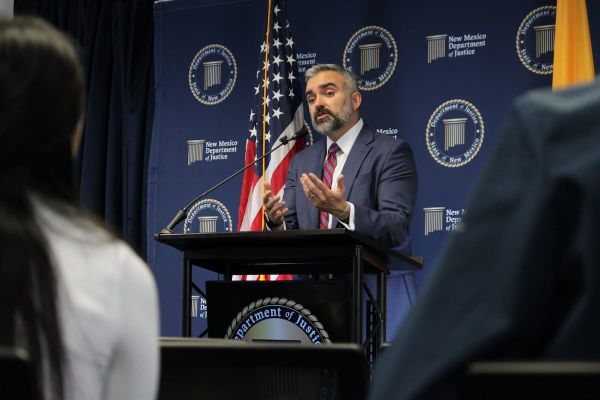
WASHINGTON, December 6, 2021 – Federal Communications Commissioner Brendan Carr and several leaders in healthcare said Monday the agency’s efforts to expand telehealth programs for Americans face procedural hurdles before Congress.
The cost of government telehealth expansion efforts is among key factors that create congressional hesitance to rubber stamp the FCC’s telehealth initiatives.
During panel discussions moderated by Carr at a commission event on Monday, experts also remarked that the commission’s efforts would require a good deal of regulatory flexibility that many members of Congress may not be willing to grant it.
Panel guest Deanna Larson, CEO of virtual health network Avera eCARE, testified before the Senate on the matter in October, urging Congress to extend or make permanent its regulatory flexibility toward telehealth.
The panels also spent time discussing the substantial success the FCC has had in expanding telehealth over the course of the coronavirus pandemic.
Experts emphasized accomplishments such as the employment of remote monitoring devices by physicians to physically examine patients when they cannot come into the office.
The panel stated that the move from fully in-person healthcare to telehealth can be compared to the significance of the move from “Blockbuster to Netflix,” referencing the at-home experience of the streaming platform.
State District Court Judge Francis J. Mathew said in Wednesday's ruling that Facebook’s conduct was intentional

Musk has also drawn criticism from politicians after speeds for a military version of SpaceX’s satellite communications service were slowed
Lawmaker wants federal agencies to hide website names from people monitoring internet traffic
The company’s fiber network now reaches more than 39 million locations