FCC to Advance New Rules on Satellites, Robocalls, and Prison Calling Rates

Commissioners will vote on nine proposals across key telecom sectors.

FCC to Advance New Rules on Satellites, Robocalls, and Prison Calling Rates
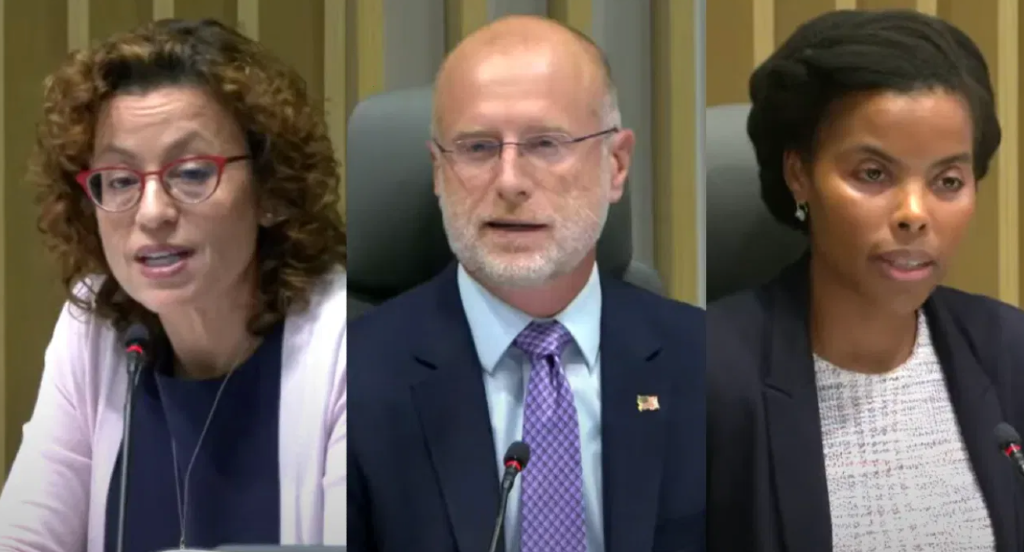
Photo of (left to right) FCC Commissioner Anna Gomez, FCC Chairman Brendan Carr, and Commissioner Olivia Trusty

WASHINGTON, Oct. 23, 2025 — The Federal Communications Commission will consider and vote Tuesday on nine rulemaking proposals spanning satellites, spectrum, cybersecurity, and consumer protection.

The Oct. 28 meeting at FCC headquarters is expected to feature items across nearly every FCC bureau, from modernizing space licensing rules to updating broadband labels and prison phone rates.

The Space Bureau will propose Space Modernization for the 21st Century, an overhaul of decades-old satellite licensing rules. The plan would replace the current case-by-case review system with a faster, standardized process to clear commercial applications more efficiently. A related item would expand access to high-frequency airwaves above 24 gigahertz, known as upper-microwave spectrum, allowing satellites and ground-based broadband providers to share the same bands.

The Office of Engineering and Technology will propose new safeguards in the equipment authorization program, which screens electronic devices before sale in the United States, to prevent insecure hardware and other national security threats from entering critical communications networks.

The Media Bureau will propose further accelerating the voluntary, market-based rollout of Next Gen TV, a broadcast standard that will enable 4K video, targeted emergency alerts, and interactive features.

The Wireline Competition Bureau will  propose measures to support the nationwide shift to all-IP interconnection, the process that allowed voice calls to move across internet-based networks, while maintaining oversight to protect consumers and ensure competition during the transition. It will also vote on new interim rate caps for incarcerated people’s communications under the Martha Wright-Reed Act, a law aimed at limiting excessive prison phone fees.

The Consumer and Governmental Affairs Bureau will propose two consumer measures: simplifying broadband “nutrition labels” that disclose price and speed, and tightening robocall enforcement to stop spoofed numbers.

The open meeting is proceeding despite the ongoing federal shutdown, which has left many agency operations uncertain. Communications Daily reported Monday that FCC staff and industry attorneys expressed confusion over filing expectations and pay delays, as several officials warned that the shutdown could force some items off the October agenda. Still, all three commissioners said they were continuing meetings and calls on the planned proposals.

The meeting will be livestreamed at fcc.gov/live beginning at 10:30 a.m ET.

Member discussion

Popular Tags