
FCC to Vote on Lifeline Reform Next Month
FCC chair says only Americans ‘living and here legally’ should qualify for Lifeline benefits.

Kelcie Lee
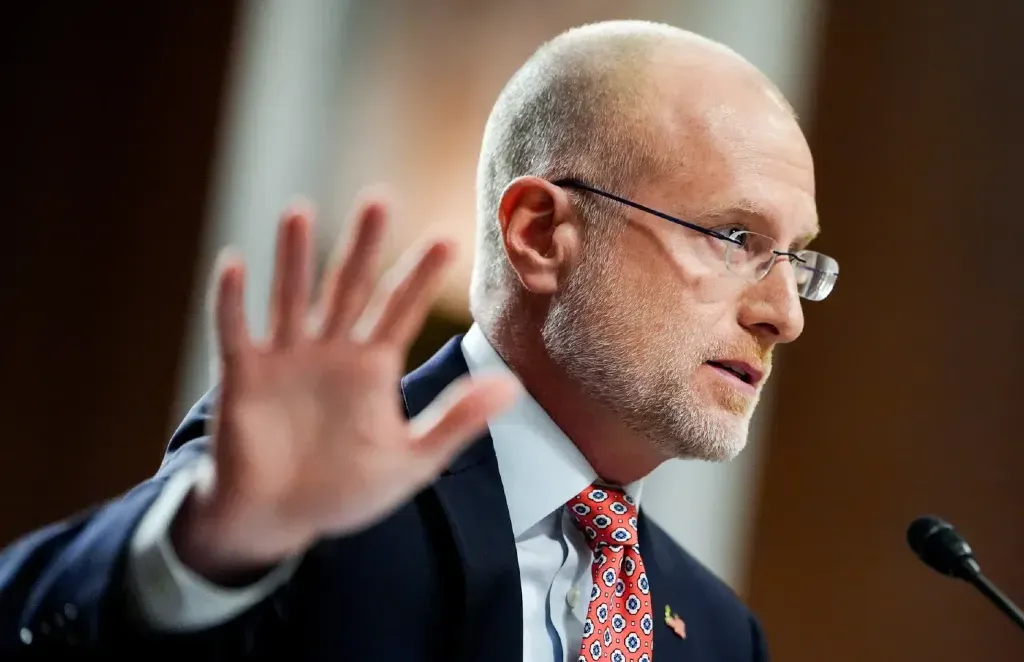
WASHINGTON, Jan. 27, 2026 – The Federal Communications Commission will vote in February on a proposal to reform the federal Lifeline program to prevent fraud and ensure access for only eligible low-income Americans, FCC Chairman Brendan Carr announced Tuesday.
“The FCC has an obligation to be a good steward of federal dollars,” Carr wrote in a blog. “It should go without saying that only beneficiaries that are both living and here legally should qualify for benefits under this program. But the data to date shows that this is not the case.”
Lifeline is a Universal Service Fund subsidy that provides affordable internet and telehealth for qualifying low-income Americans, and accounts for nearly $1 billion in federal spending every year. However, in recent years, Lifeline has seen “rampant abuse,” according to Carr, leading to the proposed reforms.
In an advisory published Monday, the FCC’s Office of Inspector General found “concerning patterns of fraud,” where nearly $5 million in Lifeline dollars have gone to accounts of deceased individuals.
The advisory noted that 81 percent of these cases are in California – one of three states that had been allowed to run its own verification and eligibility process for Lifeline – until the FCC revoked California’s authority on Nov. 20, and imposed a transition deadline of Feb. 1, 2026. California regulators have challenged the FCC’s assertions.
Democratic FCC Commissioner Anna Gomez called the proposed Lifeline reforms “shortsighted.”
“At a time when millions of families are already struggling with the rising cost of living and the loss of the Affordable Connectivity Program, the FCC should be focused on making connectivity more affordable, not erecting new barriers,” Gomez said.
“By proposing to use the same cruel and punitive eligibility standards recently imposed for Medicaid coverage, the Commission risks excluding large numbers of eligible households, including seniors, people with disabilities, rural residents, and Tribal communities,” Gomez said.
Carr also said the FCC hasn’t updated its regulations for Lifeline recently, making it important to vote on the upcoming proposals to ensure Lifeline is “efficient, transparent and accountable — while continuing to support Americans who rely on it.”
In addition to Lifeline reforms, Carr said the FCC will vote next month on an order to maximize the potential of the 900 MegaHertz (MHz) band by allowing broadband use across all ten megahertz of the band. A wider band would carry more data, support faster and more reliable connectivity and expand broadband use.
“The FCC will be voting on a plan to address all of these issues,” Carr wrote.
“Your hard-earned dollars should only be going to those households that Congress intended to benefit,” he said of the proposed Lifeline reforms.


Member discussion