Fiber Suppliers Say They Can Meet BEAD and AI Demand

Corning, Prysmian, and others said they made commitments to NTIA in February.

Fiber Suppliers Say They Can Meet BEAD and AI Demand
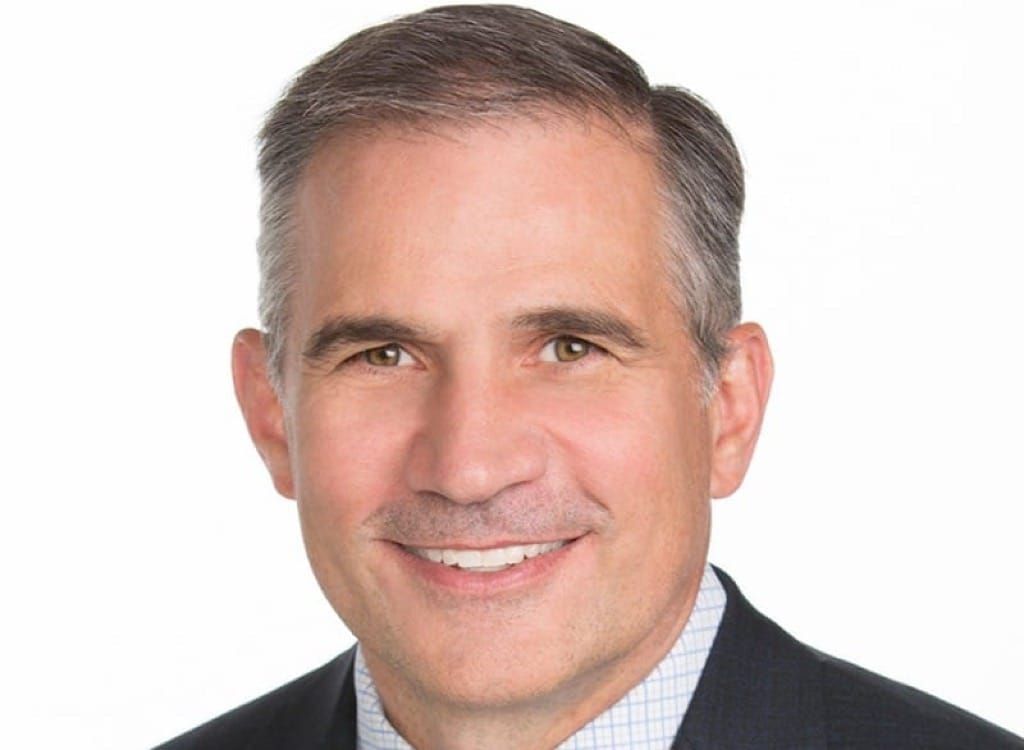
Photo of Mike O'Day, SVP and general manager at Corning, from LinkedIn

WASHINGTON, March 19, 2026 – Demand for American-made fiber is high, given the rapid expansion of data centers and a multibillion-dollar broadband expansion program about to start getting off the ground. Major fiber manufacturers say they have the situation under control.

“Against this backdrop, each of us wants to be clear – and unequivocal – about one thing: The U.S. fiber and cable manufacturing industry has the capacity to support the Broadband Equity, Access, and Deployment (BEAD) Program, fully meeting Build America, Buy America (BABA) requirements, for its entire duration,” executives from Corning, AFL, Prysmian, and Lightera wrote in a Monday blog post.

The $42.45 billion BEAD program’s BABA requirements dictate that materials used in funded networks, including the fiber set to connect more than 2.5 million rural locations under the program, must be American-made. Rural ISPs have expressed concern about their ability to secure that fiber on timelines and at prices that work for their build plans, and described longstanding orders being disrupted recently.

But the fiber suppliers said they committed to the National Telecommunications and Information Administration in February that they would maintain enough BABA-compliant fiber and cable to meet program demands. They said they each would work “directly with award recipients to align delivery lead times with deployment schedules.”

“These commitments reflect long-term investments already made by each company – not future promises contingent on policy changes or waivers,” they wrote.

The companies said peak BEAD deployment would likely represent less than 5 percent of domestic fiber capacity, something the companies could manage. The blog was signed by Mike O’Day, an SVP at Corning, Randy Morin, SVP of Lightera’s North American division, Patrick Jacobi, Prysimian’s SVP of digital solutions, and Marc Bolick, president of product solutions at AFL.

“In short, there is enough fiber to support both broadband expansion and the growth of AI,” they wrote.

Nokia also said Tuesday its network components would be available to BEAD winners through logistics supplier KGPCo. Finland-based Nokia built up U.S. manufacturing capacity through partnerships with American companies in Wisconsin and California.

BEAD timeline

Network deployments under BEAD haven’t yet begun in earnest, and according to state broadband officers may not until 2027 in many places because of administrative requirements and permitting delays.

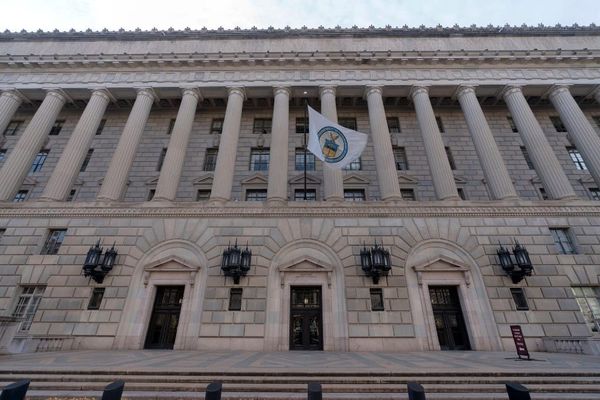
According to NTIA’s tracker, 37 states and territories have signed their award agreements with the Commerce Department as of Wednesday, giving them the go-ahead to sign their own contracts with the ISPs they selected for funding. That process is still underway in most states, although Louisiana has started signing those agreements.

Only three states or territories have yet to secure NTIA approval on their spending plans: California, Illinois, and Oklahoma. Once NTIA signs off, the National Institute of Standards and Technology has to conduct a separate review.

NIST has cleared 44 of the 53 NTIA-approved plans. The next step before states may disburse money is to sign their award agreement, which 37 have done.

Member discussion

Popular Tags