Five More State BEAD Approvals

Idaho, Massachusetts, Minnesota, North Carolina, and Utah had their final proposals approved.

Five More State BEAD Approvals
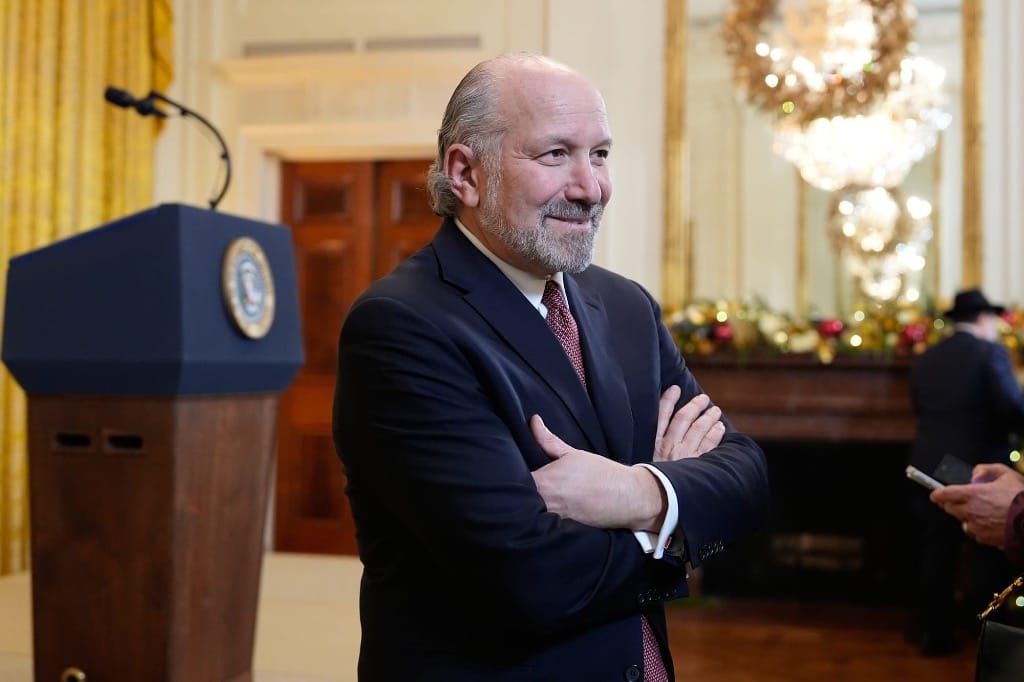
Photo of Commerce Secretary Howard Lutnick by Alex Brandon/AP

WASHINGTON, Dec. 19, 2025 – Five more states have received federal approval on their final spending plans under the $42.45 billion Broadband Equity, Access, and Deployment program.

Idaho, Massachusetts, Minnesota, North Carolina, and Utah now have the green light from the National Telecommunications and Information Administration, according to the agency’s BEAD progress tracker. That brings the total to 34 states and three territories.

Compared to its draft plan posted earlier this year, North Carolina’s approved plan would spend nearly 22 percent less at about $319 million. The proportion of the state’s 93,000 locations receiving fiber fell by about four percent with a corresponding increase in the proportion in line for low-earth orbit satellite.


Utah’s approved plan would see the state spend about 10 percent less than it had initially planned at about $207 million. The state’s total location count fell by 6 percent to about 30,000, and its plans to get fiber to more than half of those was largely unchanged.

Massachusetts started with relatively few locations, but its approved plan had nearly 23 percent fewer locations than its draft, the largest drop of any state so far, down to 3,808. The proportion of the state’s locations getting satellite increased by nearly 10 percent, with a corresponding decrease in wireline locations.

Idaho and Minnesota’s plans saw few changes. The other plans approved by NTIA have for the most part also not significantly changed from public drafts.

The new approvals were first reported by Telecompetitor.

NTIA is looking to approve most state BEAD plans by the end of the year.

As part of the curing process, NTIA is asking states to negotiate down the prices of certain grants, those above state-specific per-location cost caps, and potentially award them to other providers that submitted cheaper bids. The draft bidding results that states posted for public comment before submission also had to be tentatively cleared with NTIA. 

Based on the draft results from all 56 states and territories, around two-thirds of the 3.8 million BEAD locations will receive fiber, more than some fiber proponents had feared when the Trump administration updated BEAD’s rules in June but likely less than would have been the case originally. About 20 percent of locations are in line for satellite service, either from SpaceX’s Starlink or Amazon’s nascent Leo service.

GAO Report, state laws

In order to access their BEAD funding, states have to agree not to enforce net neutrality or broadband affordability laws on BEAD participants throughout their state footprints. In practice the provision is broad enough that it might be the cause of some consternation, New Street Research Policy Advisor Blair Levin wrote in a Friday research note.

“While most states have limited, if any regulations related to ISPs, we think many states are deeply troubled by the language and conflicted about whether to sign it,” he wrote. “It could be, for example, that ISPs could sue to overturn any consumer protection rules related to transparency about rates, rules about privacy, or to invalidate state ‘carrier of last resort’ rules.”

He wrote states might have grounds to contest the legality of the provision, but that it wasn’t clear states would take any action because that would likely further delay their access to BEAD funding.

There was also a Government Accountability Office finding this week that said the Trump administration’s BEAD restructuring in June was a significant enough rule change that Congress could overturn it if lawmakers (and the president) wanted.

“It is highly unlikely that Congress would vote to overturn the Policy Notice,” Levin wrote. “here is some risk of delay, but the odds favor no material slow down.”

Non-deployment, AI executive order

NTIA Administrator Arielle Roth has said the agency expects states and territories to come in about $21 billion under budget for their deployment plans. What to do with the remaining cash has been the subject of much debate since the Trump administration rescinded approval for anything but infrastructure grants under the program in June.

States had been planning under the Biden administration to spend money left over from their allocations on broadband adoption efforts, among several other things.

President Donald Trump signed an executive order last week directing Roth to tell states they’re ineligible for non-deployment funds if they have “onerous” laws on AI companies. That notice would be due 90 days from Dec. 11.

Levin said the executive order was “of dubious legality,” but like the state law exemptions, it might not be litigated because “states might prefer to accelerate obtaining the funds than waiting for a judicial resolution.”

Separately, Sens. Roger Wicker, R-Miss., and Shelley Moore Capito, R-W. Va., introduced a bill Thursday that would ensure states retained and spent non-deployment money on things like wholesale fiber and workforce development.

Member discussion

Popular Tags