
FTC Vacates Consent Order Against AI Company Rytr
Agency says AI tools should not be judged on potential misuse

WASHINGTON, Dec. 29, 2025 – The Federal Trade Commission has set aside its consent order against Rytr, a generative artificial intelligence company that markets an AI writing assistant.

Chair Andrew Ferguson and Commissioner Mark Meador, the two current members of the five-member FTC and both Republicans, concluded Monday that they had reviewed the Rytr Order under the president’s AI Action Plan and concluded it should be reopened and set aside as contrary to the public interest.
Rytr’s “Testimonial & Review” feature drew scrutiny from the FTC under former Chair Lina Khan. In a complaint against Rytr, the FTC concluded under Khan that the tool’s “likely only use” was to facilitate subscribers posting large volumes of fake reviews to deceive consumers. A consent order followed, banning Rytr from offering or promoting its review generation services.
The FTC's two Republican commissioners dissented at the time, foreshadowing the reversal on Dec. 22.
Ferguson and Meador said Monday that the facts alleged in 2024 fail to support allegations that Rytr violated Section 5 of the FTC Act and that, because the order unduly burdens innovation in the nascent AI industry, it is in the public interest to set it aside.
In the agency’s view, features that make content creation easier, such as rapid review generation, can benefit consumers, even if misused by some users.
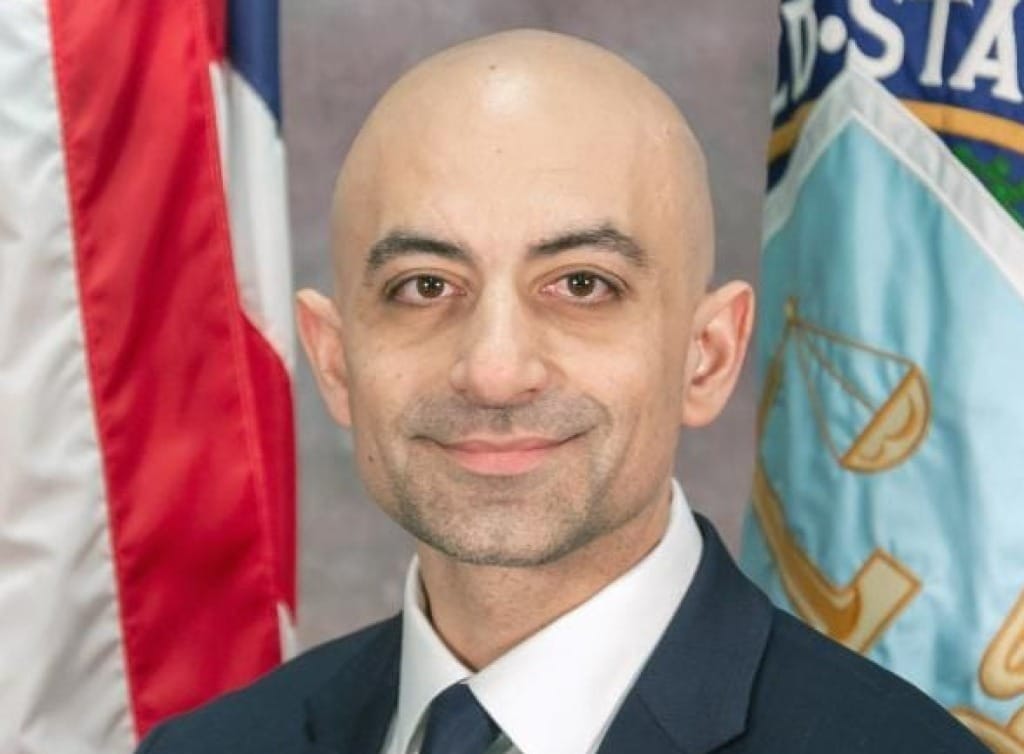
“Condemning a technology or service simply because it potentially could be used in a problematic manner is inconsistent with the law and ordered liberty,” said Christopher Mufarrige, director of the FTC’s Bureau of Consumer Protection.
“The Trump-Vance FTC is focused on promoting innovation in America’s most important industries by targeting fraud and tangible consumer harm,” Mufarrige said.
The FTC’s decision to vacate the order without a petition from Rytr is extremely rare.
“In the past 25 years, the FTC has only taken the step of re-opening a decision on its own accord a handful of times – and nearly always to modify the order, not to vacate it,” wrote lawyers at Hogan Lovells.
“This unusual step offers an early look at how the FTC may recalibrate enforcement involving AI products and services,” they write, “and underscores that the agency will require evidence of consumer harm before invoking its unfairness authority.”
For AI companies, this decision offers clarity: the FTC will not assume a product is unlawful merely because it could be misused. At the same time, industry observers note that state regulators may pursue parallel enforcement in areas where federal priorities shift.




Member discussion