
Golden State Fiber Poised to Connect 31,000 Locations in Rural California
Counties secure $110 million in bond financing and $185 million in state grants to expand rural fiber access

WASHINGTON, Dec. 29, 2025 – A coalition of rural California counties has secured $110.9 million in bond financing to advance construction of a public fiber network designed to support multiple internet service providers.
The Golden State Connect Authority, representing 40 California counties, announced the financing as part of its Golden State Fiber broadband initiative. The authority is receiving operational support from UTOPIA Fiber, drawing on the Utah company’s experience as an industry leader in open access municipal networks.
The deployments span some of the state’s most remote regions, from north of Sacramento through the Eastern Sierra Nevada – home to Alpine County, California’s least populated – and all the way to the southeastern border region near Mexico. Once deployed, the Golden State Fiber network is anticipated to reach over 31,000 locations.
The financing will complement $185.4 million in Federal Funding Account grants awarded by the California Public Utilities Commission, which will cover roughly 70 percent of total construction costs. Together, the funding package will support fiber deployments in Alpine, Amador, Glenn, Imperial, Mono, and Tehama counties, as well as the Town of Mammoth Lakes.
GSCA’s network will operate under an open-access municipal model, in which the authority will finance, build, own, operate, and maintain the infrastructure while allowing multiple internet service providers to compete over the same fiber network.
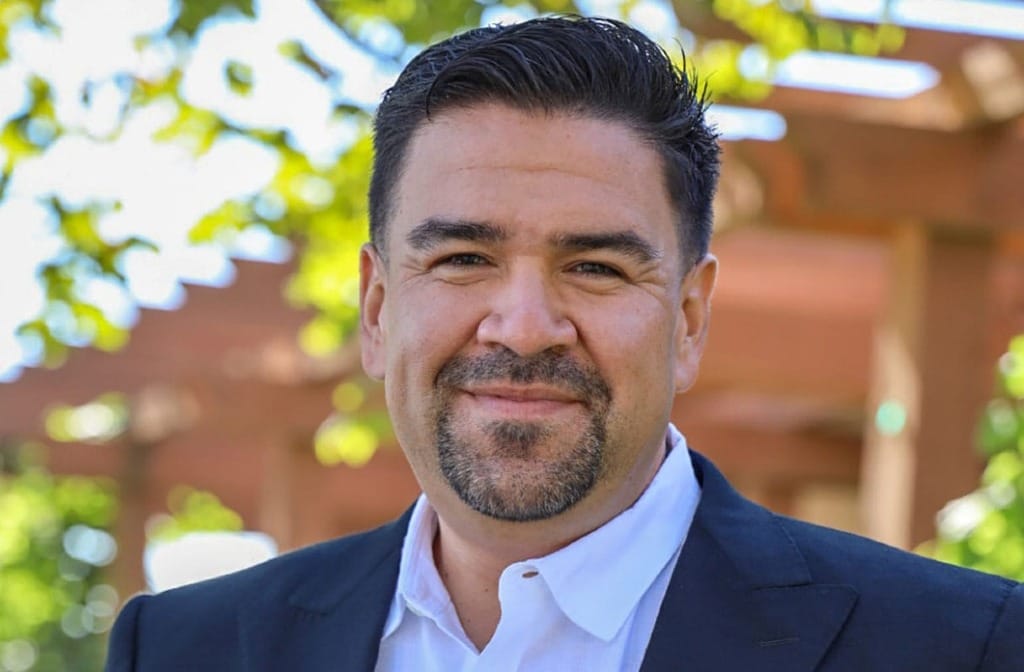
Chris Lopez, GSCA board chair and a Monterey County supervisor, called the financing a “transformative milestone” for rural connectivity in California.
“By blending public investment with private support, we are accelerating the delivery of broadband networks that will give families, schools, healthcare providers, and local businesses the tools they need to thrive,” Lopez said.
To cover costs not met by CPUC grants, GSCA issued revenue bonds that will be repaid through system revenues once the network becomes operational. The bond issuance was approved by the GSCA executive committee in October, priced in late November, and closed Dec. 16. Seven private investment firms participated in the financing.
David Griffith, GSCA vice chair and an Alpine County supervisor, said the bond financing demonstrates investor confidence in the authority’s open access approach and long-term viability.
“This momentum is possible only because of the support from the CPUC and the confidence shown by our private investment partners. Together, we’re paving the way for cutting-edge broadband access that will transform opportunities for rural Californians,” Griffith said.





Member discussion