Greenland’s Security Problem? Chinese Telecom Equipment, Says Danish Expert

Trump's Greenland gambit exposed Denmark's failures and Europe's dangerous reliance on Chinese telecom equipment across NATO infrastructure, a consultant said.

Greenland’s Security Problem? Chinese Telecom Equipment, Says Danish Expert
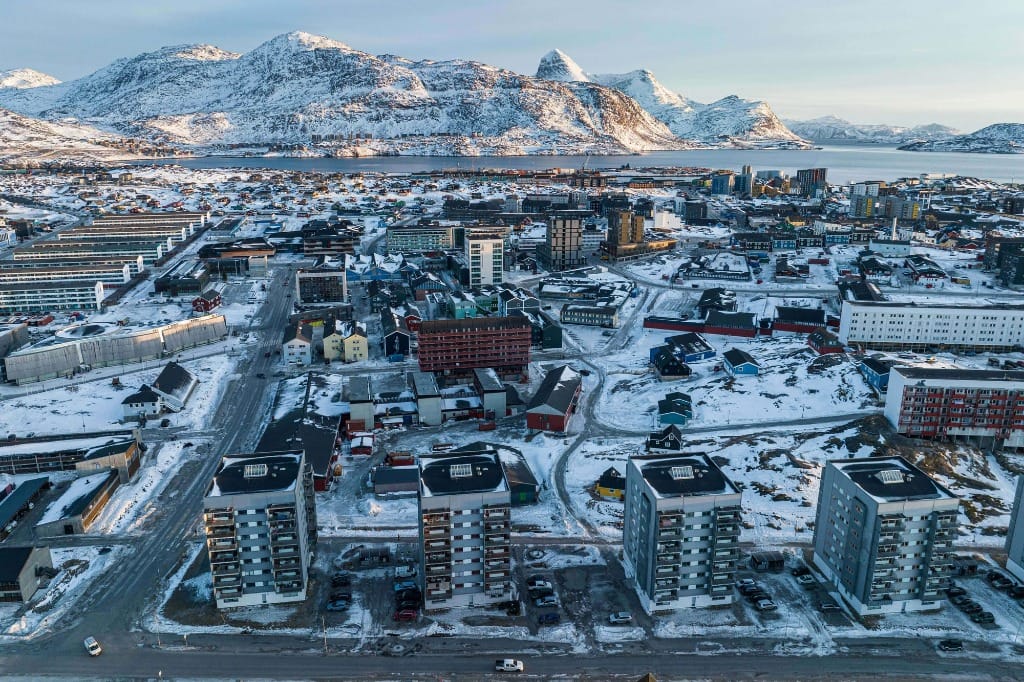
Photo of Nuuk, Greenland, on Jan. 25, 2026, by Evgeniy Maloletka/AP

WASHINGTON, Feb. 11, 2026 — President Donald Trump's attempt to take control of Greenland, the Arctic territory that is part of Denmark, exposed serious gaps in European defense infrastructure, particularly the widespread use of Chinese equipment in critical networks.

That’s the view of a Danish telecommunications consultant who has worked with and in Greenland for 25 years. 

John Strand, founder of Copenhagen-based Strand Consult, told a Broadband Breakfast Live Online webcast on Wednesday that Denmark failed to deliver on 2019 promises to invest in Arctic security, creating vulnerabilities that extend across NATO allies.

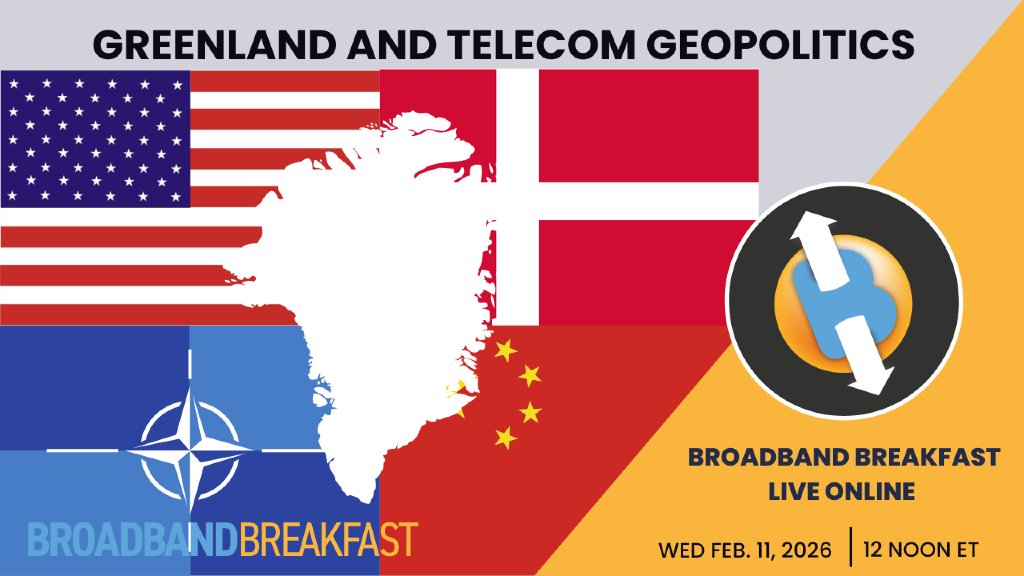
Broadband Breakfast on February 11, 2026 - Greenland and Telecom Geopolitics
This special episode will explore the indispensable strategic elements involving telecommunications, network security and critical infrastructure networks.

"The reality is–I have to look at the reality," Strand said. "Is there something of substance in these things? Is this just a man who wants to get a big island and expand America with a lot of land, or is there something in this story?"

Strand said Denmark Prime Minister Mette Frederiksen promised Trump in 2019 to invest heavily in Arctic defense after acknowledging the country spent only about 1.2 percent of GDP on defense, below NATO's then-two percent target. 

By summer 2024, Denmark had spent only one percent of the €200 million ($224 million) that it committed in 2019, and most of it was spent on training 15 Greenlandic people on digital security.

"She basically gave him a promise in 2019, which she didn't deliver on," Strand said.

Drew Clark, CEO of Broadband Breakfast, raised questions about Denmark’s posture on physical and telecommunications infrastructure security. "In spite of the sort of theatrics around what President Trump appeared to be doing," Clark asked, was Trump "raising a serious problem that Denmark had not invested seriously in security?”

The Greenlandic China card

Greenland’s government has engaged with China as a tool to pressure Denmark and other Western powers, noted Strand. In 2017, Greenlandic officials travelled to China to negotiate the construction and financing of airports. 

Chinese involvement in Greenland was only blocked after Denmark interjected with a €100 million stimulus, following pressure from the United States.

Strand detailed extensive Chinese telecommunications equipment deployment across Europe despite a 2019 European Union agreement to remove such equipment. In Germany, 58 percent of 5G equipment is Chinese-made, with infrastructure surrounding military bases and the parliament building in Berlin.

"In Germany, you will not be able to get access to a network built on infrastructure from trusted vendors," Strand said, displaying maps showing Chinese equipment coverage overlapping NATO and U.S. military installations.

The consultant warned this creates operational challenges as military communications modernize. "The future communication solutions for the military will [in] the same way also move away from the military's own communication solutions, own radio systems, to using the mobile carriers' radio networks," he said.

A natural monopoly in the Arctic?

Strand described Greenland's telecom landscape as a "natural monopoly" with 56,000 people spread across 800,000 square miles. The government-owned carrier Tusass provides 5G coverage through subsea cables to Canada and Iceland, with satellite service to remote eastern communities.

Greenland does not allow Starlink service, which Strand said would undermine the existing infrastructure. 

"To believe that Starlink will be able to sell their services on Greenland, it will actually be devastating for the Tusass business case, and it will reduce the possibilities to serve people with all the services which is needed on Greenland," he said.

Strand praised the FirstNet model in the U.S., where AT&T serves eight million first responder customers, as a framework for future military communications using private mobile networks, versus its own dedicated system.

"Europe has only one friend, and that is Uncle Sam," Strand said, despite current tensions exacerbated by Trump on Greenland.

Member discussion

Popular Tags