
How to Spend $21B? Permitting Reform, Middle Mile, 5G, Digital Literacy and Public Safety
Sprawling NTIA listening session brings in 1,300 viewers, nearly 50 commenters; webinar to be repeated next Wednesday

Eric Urbach
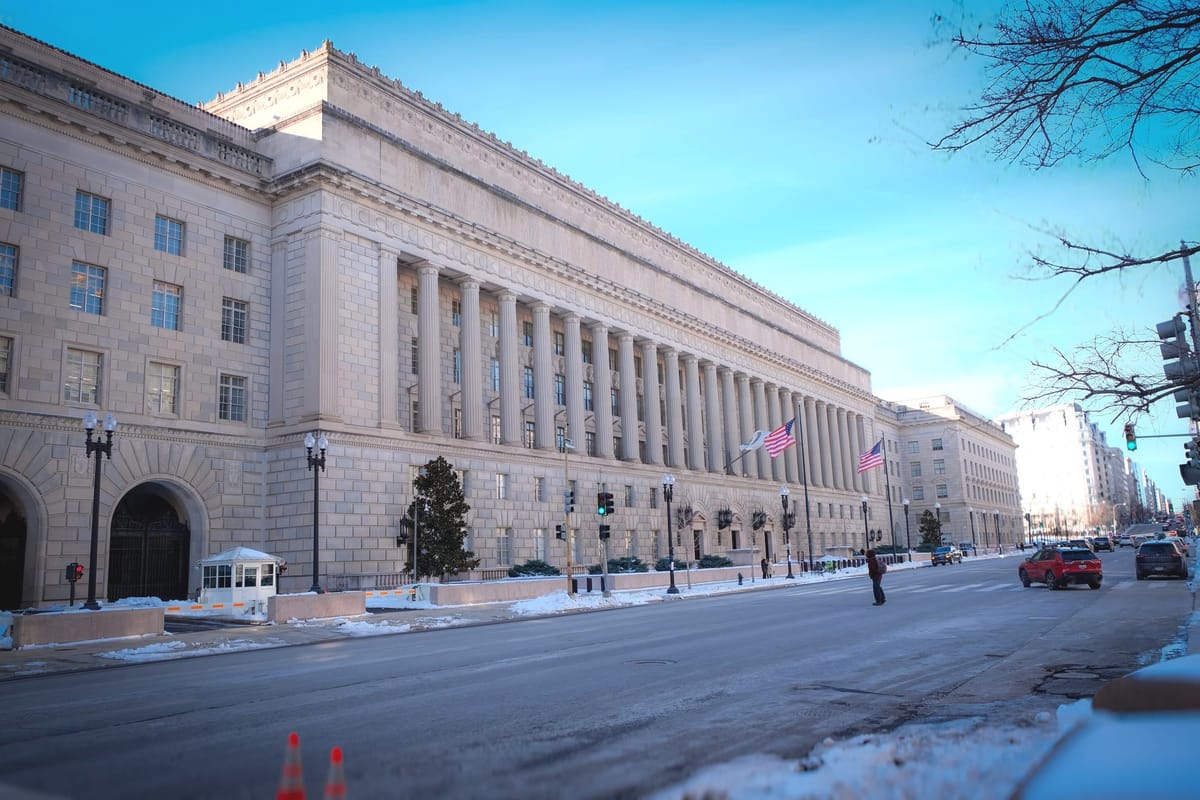
WASHINGTON, Feb. 11, 2026 – More than 1,300 people listened in, and just under 50 voiced opinions at, a Zoom webinar on how to spend the remaining $21 billion in funds under the government’s Broadband Equity, Access and Deployment program.
They brought forth a wish list of funding items including permitting reform, digital literacy programs and emergency response improvements. A very small minority wanted to return the funds to the taxpayer, even though Congress has already allocated them.
The session was hosted by the National Telecommunication and Information Administration, the Commerce Department agency responsible for spending the original amount of $42.5 billion.
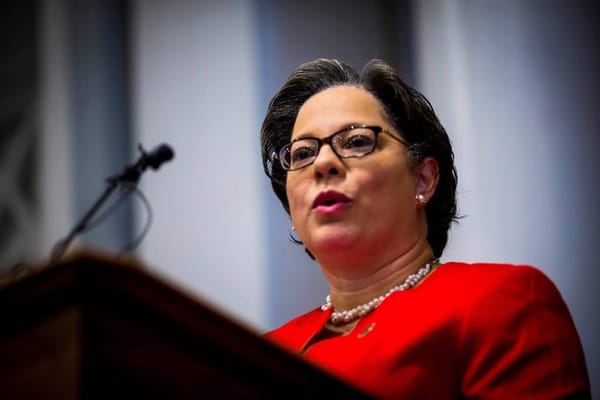
In her introduction to the session, Assistant Secretary Arielle Roth lauded the work of her agency, the NTIA, and the “Benefit of the Bargain” changes pressed by Commerce Secretary Howard Lutnick. She said the changes had increased competition and created a $21 billion pot of funds with a use that’s still not fully been determined.
“NTIA has a responsibility to be a good steward of this money,” Roth said. “It’s critical that plans to use BEAD savings produce real measurable value and don’t invite waste, fraud and abuse.”
5G service, middle mile expansion, and NG911
Christian Hoefly, a senior corporate counsel for policy strategy and analytics at T-Mobile, recommended that a capped portion of the funds be used to increase availability of 5G service by installing towers in rural deadzones that still exist around the country.
“This is not an expansion of BEAD, it is finishing the job for the same rural communities that BEAD was designed to serve,” Hoefly said.
Others like Maynak Goel of Zayo group, global provider of fiber, transport, and colocation services, argued for additional support of middle mile expansion to support internet exchange points and data centers.
Many representatives of emergency service providers asked that the funds be made available to support development of next generation 911 development and emergency communication improvements.
A range of ideas
While there was diversity of opinion, most local community commenters and representatives underscored their belief that funds should be allocated to states for digital literacy programs and subsidies to pay for service.
Annmarie Lanesey, CEO of Can Code Communities, a New York based non-profit developing tech talent through workforce development programs, said that in order to maximize the benefits of the increased access, individuals need to know how to use high-speed internet and be able to afford it.
Lanesey told a story about a veteran who had been out of the workforce for eight years. Through training and a free laptop from the organization, the veteran was able to get a job and reach a six-figure salary within four years.
Drew Garner, director of policy engagement for the Benton Institute for Broadband and Society, said that promoting access and affordability was in the spirit of the law.
Industry representatives offered a variety of ideas, each of which supported their respective companies’ technology while praising the administration’s efforts to bring the cost of the program down.
Congress is currently in discussions to reauthorize FirstNet, a program that supports a first responder only network for emergency response communications. Some urged using funds to address next generation 911, and various proposal for legislative changes are making their way through the House of Representatives.
A permanent slush fund?
Several organizations also supported returning funds to the taxpayers. These included Luke Hogg, senior fellow at the Foundation for American Innovation, a libertarian tech policy think tank. After showering praise on the administration’s efforts to identify cost savings, Hogg suggested that if its core mission could be achieved with the cost savings, the money should be returned.
“BEAD was sold to the public as a once-in-a-generation effort to connect unserved Americans, not as a permanent slush fund” Hogg said.
If funds could not be returned, Hogg said he supported changes to permitting laws to streamline and speed up broadband installation.
Due to the extraordinary level of interest, NTIA announced during the meeting that a second Zoom call would be conducted on Wednesday, Feb. 18, also at 2:00 p.m. Comments may be made to: broadbandgrants@NTIA.com.



Member discussion