
Iran's Broadband 'NOFO' Would Flog, Fine, or Jail Starlink Users
Iran’s new rules against Starlink users included 'fines, flogging, or up to two years in prison,' according to a Sunday report by the Iranian Students' News Agency.

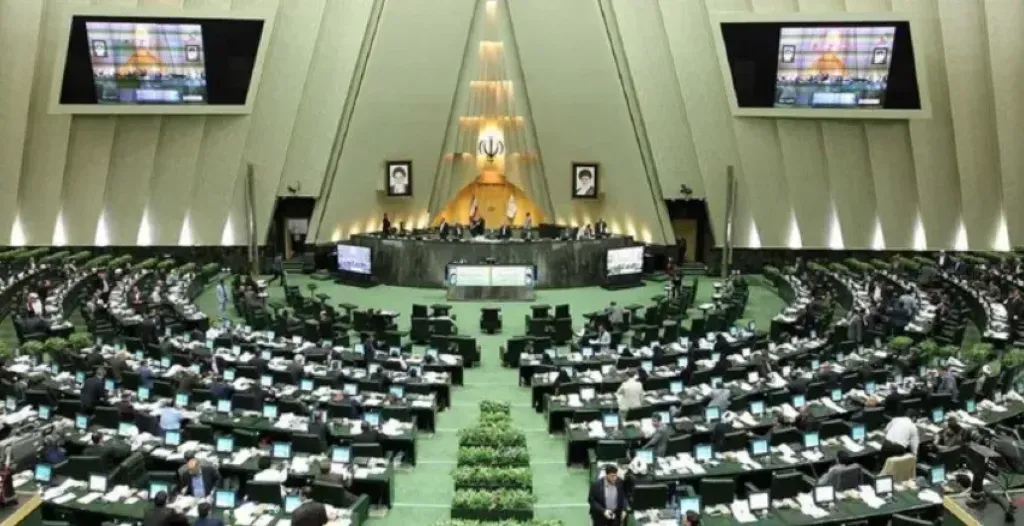
Iran: How do you say “Death to Starlink” in Farsi? Elon Musk’s low Earth orbit satellite Internet access service is the despised rival to many a broadband trade group in Washington, D.C. But then there’s the Islamic Republic of Iran. Iran’s Parliament has reportedly voted to ban Starlink, which serves 6 million subscribers globally across 140 countries. Iran’s new broadband ‘NOFO’ aimed at Starlink users included “fines, flogging, or up to two years in prison,” according to a Sunday report by the Iranian Students' News Agency (ISNA) quoted by the western media. According to one report, Iran has 20,000 to 30,000 black market Starlink users.
 Broadband Breakfast
Conservative commentator Mark Levin, appearing June 13 on Fox News Channel’s Hannity, called on Musk to provide Starlink in Iran. “Elon Musk, may I ask you to do a favor for the Iranian people? Turn on your Starlink for the Iranian people. Turn it on. They've shut down the Internet over there, because they don't want to be overthrown, because it’s a police state. The people live under fear. Turn on the Starlink. That would be one of the greatest acts of humanity ever.” Levin did not suggest a way to smuggle thousands of Starlink terminals past the Islamic Revolutionary Guard. “The beams are on,” Musk said on his X feed in a response to Levin’s request.



Member discussion