Lawmakers Introduce Bipartisan Bill to Crack Down on Broadband Theft and Vandalism
The bill would amend federal criminal law to explicitly include broadband facilities under protections for communications infrastructure

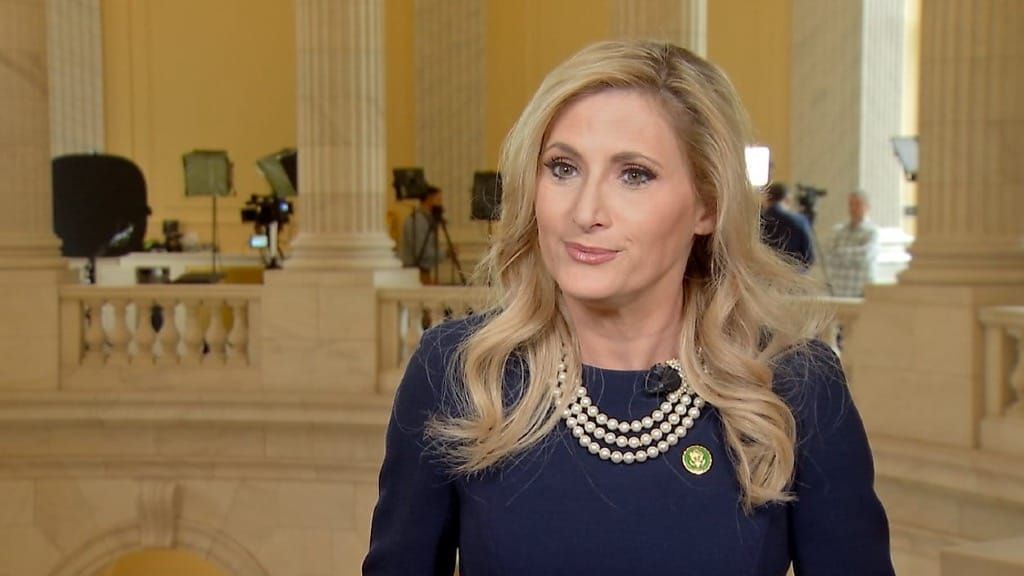
WASHINGTON, April 15, 2025 — Reps. Laurel Lee, R-Fla., and Marc Veasey, D-Texas, have introduced bipartisan legislation aimed at curbing theft and destruction of broadband infrastructure, citing growing concerns over service disruptions and public safety risks.
The Stopping the Theft and Destruction of Broadband Act would amend federal criminal law to explicitly include broadband facilities under protections for communications infrastructure. The bill updates Section 1362 of Title 18 of the U.S. Code to impose stronger penalties for those who intentionally damage or steal broadband cables and equipment.
“Consumers rely on broadband for nearly every aspect of daily life,” Lee said in a press release. “Yet those who sabotage our networks often face little accountability. This bill ensures they face serious consequences.”
Rep. Veasey said the legislation responds to a surge in broadband cable theft that disrupts essential services. “Protecting this infrastructure is vital for communities and businesses nationwide,” he said.
Industry leaders welcomed the bill. NCTA – The Internet & Television Association called it a “critical step” to deter vandalism that has increasingly targeted communication networks, threatening emergency services and national security.
Federal acquisition lags private-sector advances, creating deployment gaps across key defense technologies.
Deal hands WOW! to investment firms DigitalBridge and Crestview amid rising fiber competition.
On the FWA front, MoffettNathanson estimates the service accounts for more than half the traffic on Verizon, T-Mobile networks.
NVIDIA's CEO warned China now generates twice the U.S. electricity, builds data centers in months, and claims 70% of global AI patents.
Member discussion