
Lawmakers Weigh Updates to 1996 Telecom Act at House Hearing
Witnesses and lawmakers debated competition, broadband policy, and regulation as Congress revisits the 30-year-old law.

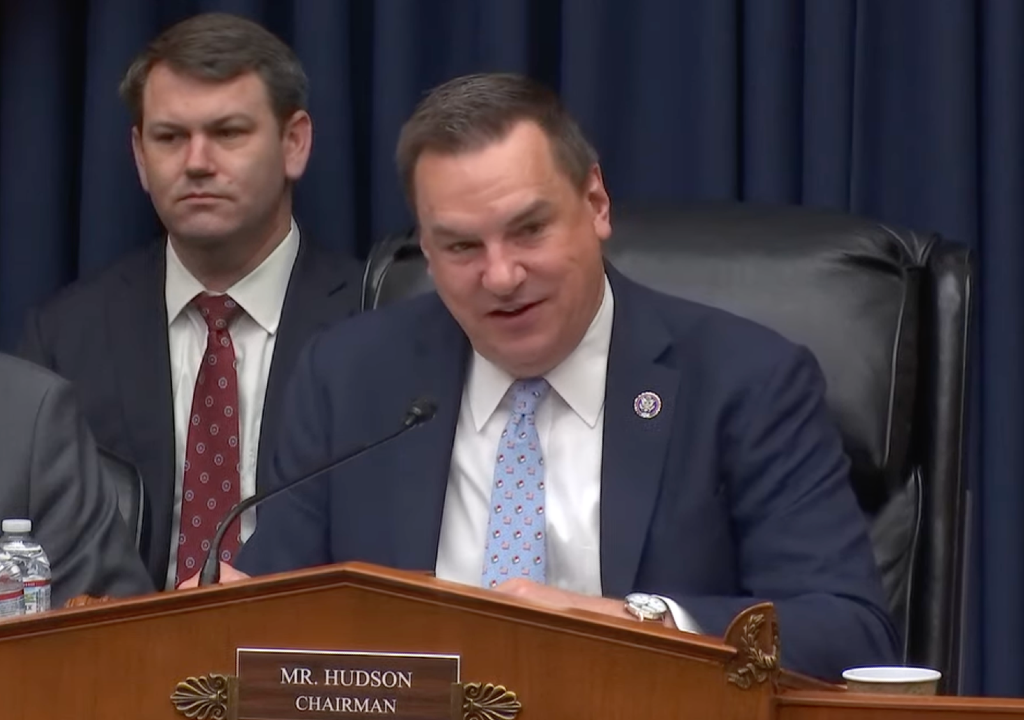
WASHINGTON, March 27, 2026 – Lawmakers said Congress must modernize U.S. communications law as broadband, mobile technology, and digital platforms have reshaped the industry since the Telecommunications Act of 1996 was enacted.
At a House Communications and Technology Subcommittee hearing Thursday, members of both parties said the law helped open markets to competition but has not kept pace with today’s internet-driven economy.
Chairman Rep. Richard Hudson, R-N.C., said the hearing would examine what parts of the law worked and how Congress can update it to promote investment and innovation in modern networks.

The 1996 law, the first major rewrite of federal communications policy in decades, was designed to break up monopolies and allow new entrants into telephone, cable, and broadcasting markets. Lawmakers said those changes helped expand competition and accelerate the growth of the internet.
But members noted that the communications landscape has shifted dramatically, with broadband and wireless services replacing many legacy technologies that the law was built to regulate.
Former Federal Communications Commission Commissioner Michael O’Rielly said Congress should revisit the law to remove outdated provisions and provide clearer direction to regulators.
“The statute is filled with ambiguities that have allowed regulators to stretch its meaning over time,” O’Rielly said, warning that unclear language has led to inconsistent implementation.
Chip Pickering, chief executive of INCOMPAS, said the law’s core success came from promoting competition but argued that policymakers must ensure those principles continue to guide future reforms.
“The 1996 Act worked because it opened markets and drove investment,” Pickering said. “We should build on that framework to support broadband deployment and next-generation networks.”
Democrats argued that recent federal actions have slowed progress on broadband expansion and affordability. They pointed to delays in funding programs and raised concerns about regulatory decisions affecting media ownership and competition.
Republicans, meanwhile, emphasized the need to preserve a light-touch regulatory framework, arguing that excessive regulation could hinder innovation and weaken U.S. competitiveness in emerging technologies.
Witnesses echoed those concerns, with several saying the law’s success came from reducing regulatory barriers and encouraging competition. They warned that outdated rules and unclear statutory language now create uncertainty for companies investing in communications infrastructure.
Some witnesses also urged Congress to revisit key provisions of the law, including liability protections for online platforms, while others called for eliminating obsolete regulations that no longer reflect how consumers access communications services.
Despite differences over policy direction, lawmakers from both parties agreed that the 1996 law established a foundation for today’s communications market but requires updates to address current technologies and future growth.




Member discussion