Lesson 3: In Other Countries, PTTs (Posts, Telegraph and Telephone)
150 Years of American Telecommunications: The Online Course
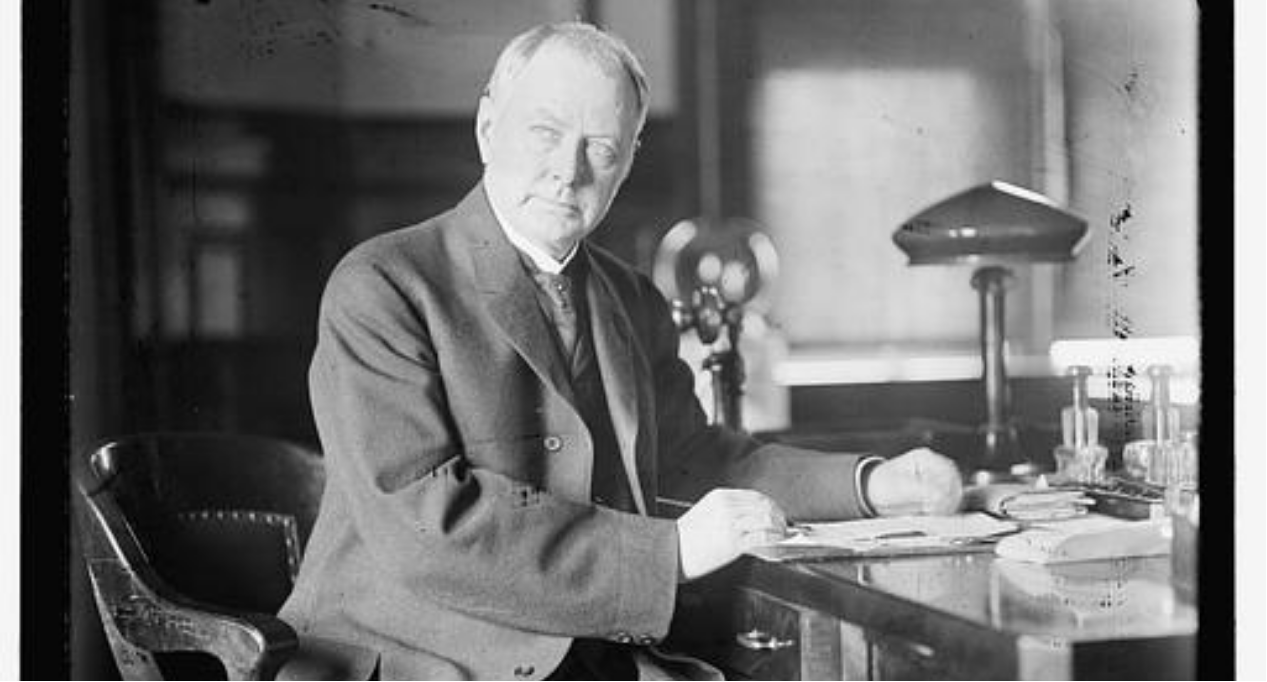
Join Section A for FreeCongress paid $30,000 in 1843 for the first American telegraph line, put it under the Post Office in 1845, then authorized its disposal in 1846 and let it pass to private hands in 1847. Britain placed its telegraph under the General Post Office on February 5, 1870, and most of Europe folded the telephone into that same state ministry. A British court extended that monopoly to the telephone in 1880, holding that a telephone counted as a telegraph under the existing statute. The United States ran every telephone and telegraph line through Postmaster General Albert Burleson for one year in 1918, and handed them back after rates rose. The question that outlived the ownership fight is how closely a privately owned network must behave like a public utility, and a federal court answered it again in 2025.