Lesson 4: The Origin of Wireless
150 Years of American Telecommunications: The Online Course
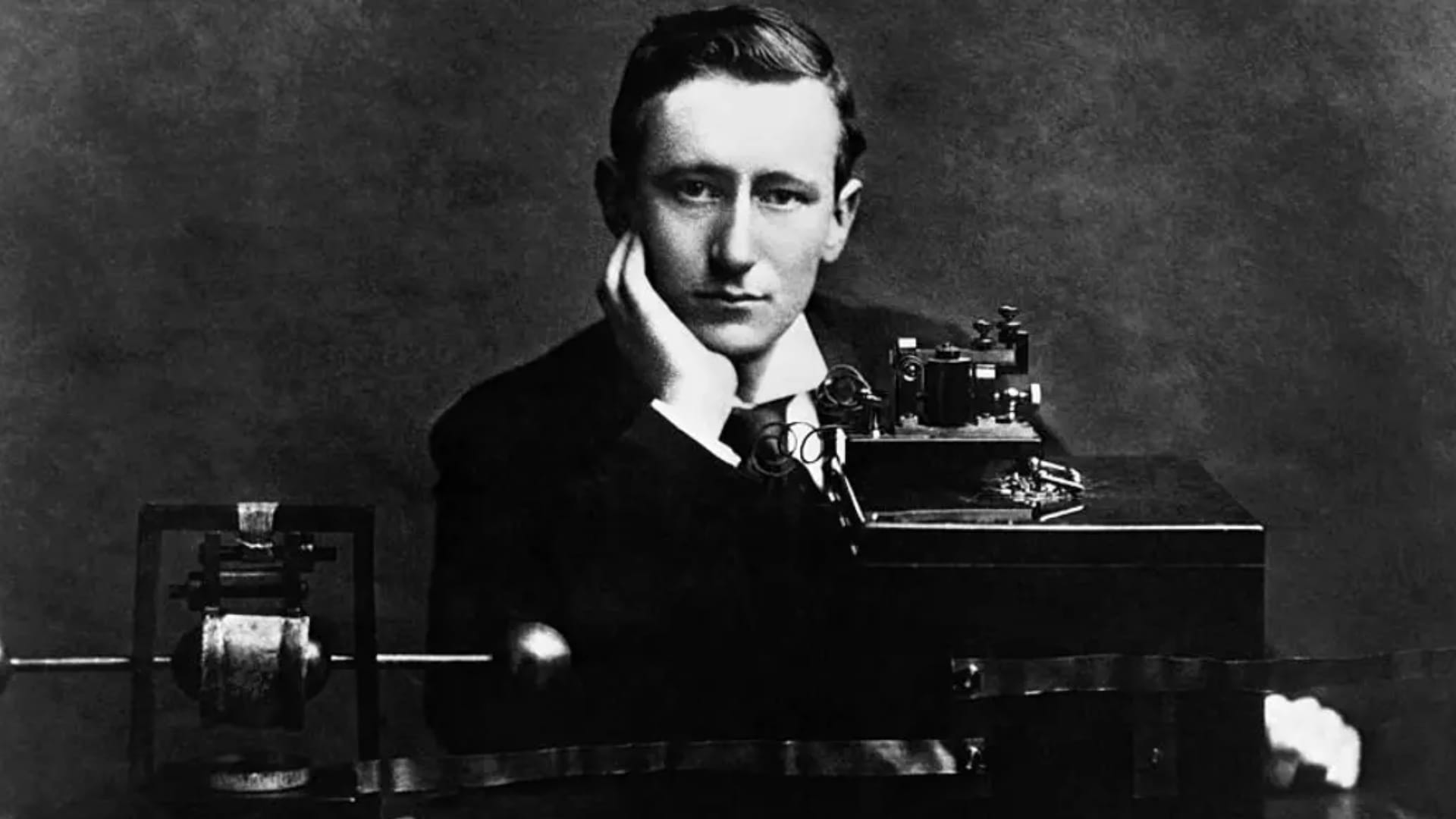
Join Section A for FreeBroadcast radio arrived in the 1920s, and the technology behind it was already twenty years old. Guglielmo Marconi, an Italian inventor working in Britain, reported hearing three pulses of Morse code sent from Cornwall at St. John's, Newfoundland, on December 12, 1901. Wireless in the two decades that followed carried coded messages between named stations, mostly ship to shore, and no household had reason to own a receiver.
The Titanic sank in April 1912, and Congress required a federal license to transmit four months later, and the Navy seized or shut every private radio station in the country when the country entered the war in 1917. The Radio Corporation of America was assembled in 1919 to send telegrams across oceans, and the licensing assumption written for shipwrecks now governs every wireless device in use.