Lesson 7: The New Deal and Rural Electrification
150 Years of American Telecommunications: The Online Course
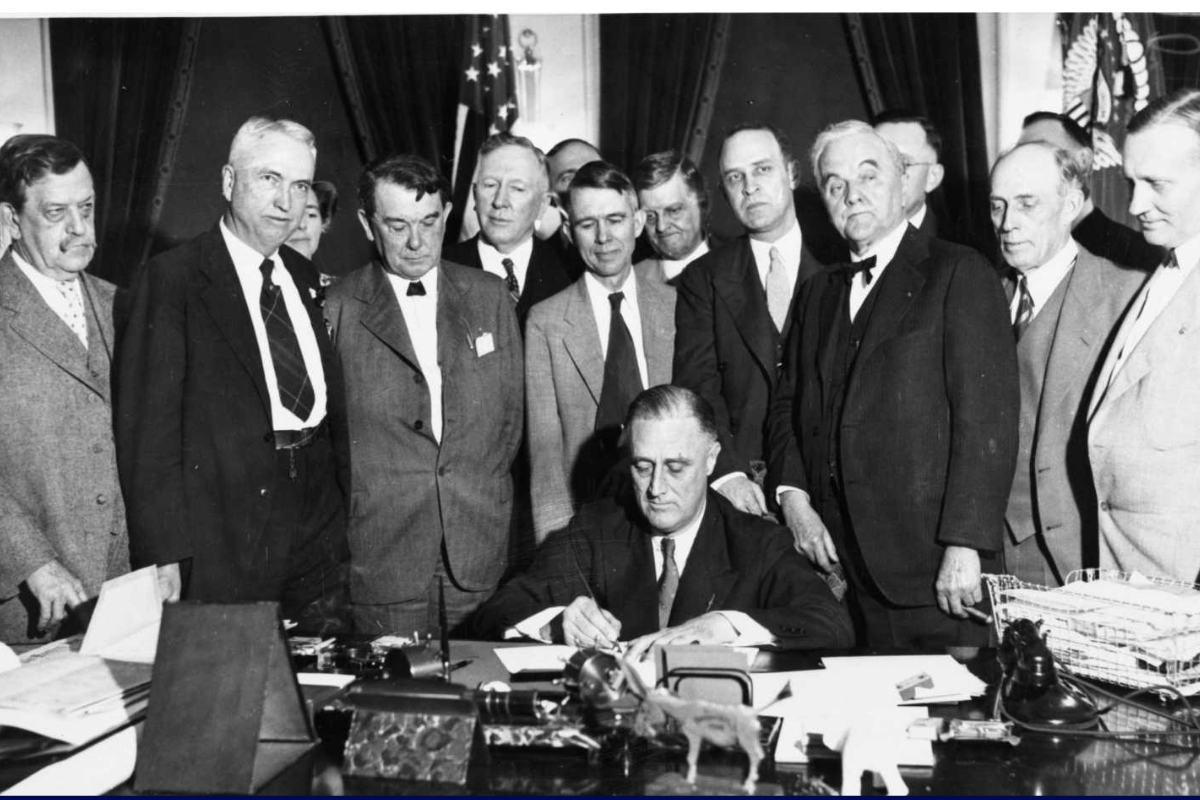
Join Section A for FreeAbout one American farm in ten had electric service in 1930. Private utilities had priced a distribution line into the countryside at as much as $2,000 a mile and concluded that it would not repay that cost. A mechanical engineer named Morris Cooke put a national plan in front of the Roosevelt administration in a memo titled "This Report Can Be Read in 12 Minutes." President Franklin D. Roosevelt created the Rural Electrification Administration by executive order on May 11, 1935.
Congress made the agency permanent on May 20, 1936, and wrote the terms into the statute. Every loan had to repay itself within 25 years, at the rate the Treasury paid on its own long-term debt. Washington declined to own the wires. It lent instead to member-owned cooperatives, most of which did not yet exist, and by 1939 those cooperatives held 90 percent of the agency's lending. A farm family paid $5 to join. The electrical equipment the loan paid for served as collateral. Congress extended the same statute to rural telephone service in 1949, and many broadband construction program running today rests on the premise Cooke pitched.